The flatbread dough has risen, the olive oil is out, and the recipe says to spread it with "1/4 cup za'atar." Or maybe the chicken is already on the sheet pan, or the labneh is in the bowl waiting for its green-and-red dusting. Either way, the jar is empty, and za'atar is not something most grocery stores keep next to the oregano.
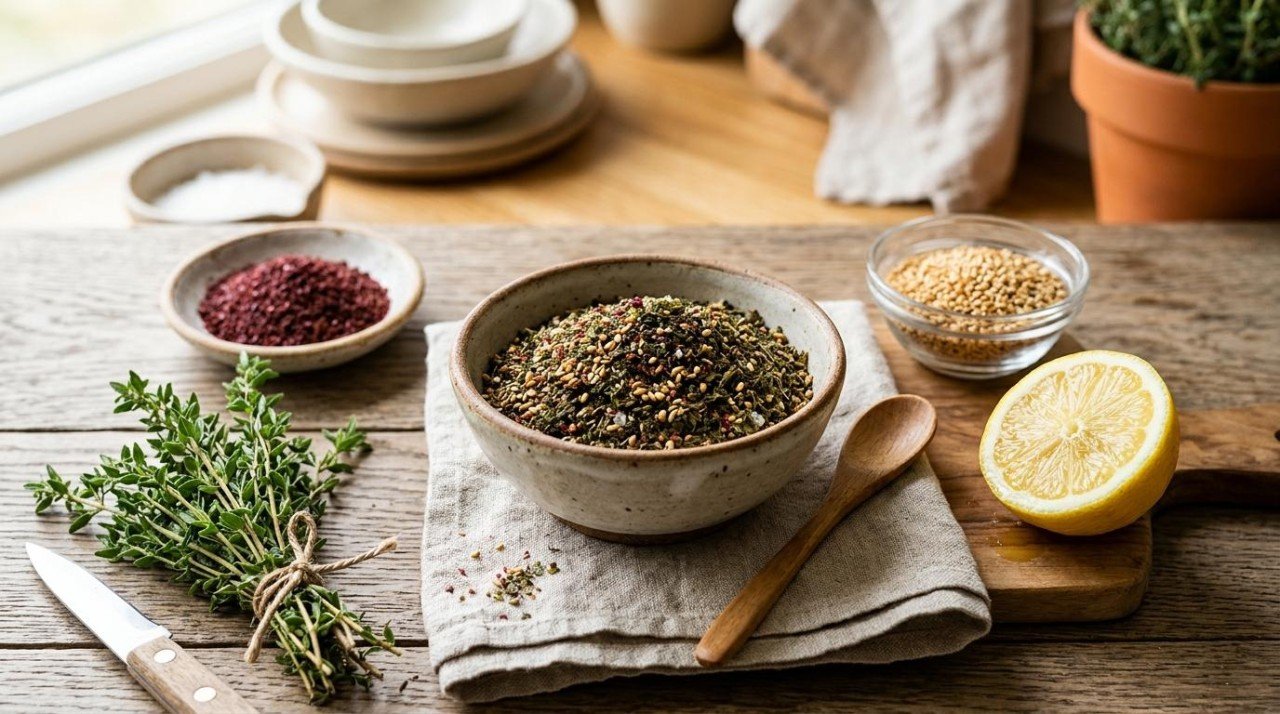
The good news is that za'atar is mostly three things: a dried herb with a thyme-oregano flavor, a tart red spice called sumac, and toasted sesame seeds. If you have dried thyme and sesame seeds, you are most of the way there already, and lemon zest can cover for missing sumac. The right fix depends on what you are making. On a flatbread or a bowl of hummus, where za'atar is the star and barely cooks, the tang and the sesame crunch matter a lot. On roasted vegetables or chicken, the herbs do most of the work and you have more room to improvise.
All ratios below are per 1 tablespoon of za'atar, so multiply as needed. If you only want one answer, jump to the homemade blend; if you have no sumac, thyme + lemon zest + sesame is the next best thing.
The Quick List
- Homemade za'atar (thyme + sumac + toasted sesame + salt) — the real thing, and the one to make if you have sumac
- Dried thyme + lemon zest + sesame — the best fix when there is no sumac in the house
- Oregano + sumac + sesame — bolder and more peppery; great on chicken and roasted vegetables
- Marjoram + sumac + sesame — softer and sweeter, and closest to the wild za'atar herb
- Dukkah + lemon zest — the best store-bought swap for dipping bread and topping hummus
- Italian seasoning or herbes de provence + lemon + sesame — a pantry blend that works on roasted food
- Greek seasoning — fine on chicken and potatoes; watch the salt and garlic
- Fresh thyme or oregano + lemon zest — for roasting, when the dried herbs are gone
- Sesame-free za'atar (sunflower or pumpkin seeds) — for anyone with a sesame allergy
What Za'atar Actually Is
"Za'atar" is two things at once. It is the Arabic name for a family of wild herbs native to the Levant, most famously Origanum syriacum, sometimes sold as Syrian oregano or Bible hyssop. And it is the spice blend made from that herb. According to Wikipedia's entry, the traditional blend is dried Origanum syriacum ground and mixed with toasted sesame seeds, salt and sumac. Recipes vary by country and family: Lebanese versions are known for "their dark red hue from generous amounts of sumac," while Palestinian blends often add caraway.
Outside the Middle East, the wild herb is hard to find, and as the same entry notes, cooks "substitute thyme, oregano, marjoram, or blends thereof." That is exactly what most jars on American shelves are. The Spice House, for example, makes its za'atar from sumac, sesame, marjoram, thyme and Greek oregano, and describes the result as "a great blend of both earthy and lemony flavors with a hint of nuttiness." So you are not trying to replace a rare herb. You are rebuilding three layers that are easy to find:
- Herbal: thyme, oregano, marjoram, or any mix of them
- Tart: sumac, a dried and ground red berry with a lemony taste; lemon zest is the usual stand-in
- Nutty and crunchy: toasted sesame seeds
Plus a pinch of salt. Get the herb and the tartness right and the dish will taste like za'atar; the sesame is what makes it feel like za'atar.
Match the Substitute to the Dish
Flatbreads, Dips and Finishing
This is za'atar's home turf: man'oushe (flatbread baked with a za'atar-and-olive-oil paste), bread dipped in olive oil and then in za'atar, and a generous sprinkle over hummus, labneh, eggs, avocado toast or sliced tomatoes. Here the blend is raw or only briefly baked, it is the main flavor, and you can see it. All three layers matter, especially the sesame crunch and the tang. The homemade blend, thyme + lemon zest + sesame, marjoram + sumac + sesame and dukkah + lemon are the best choices. Skip anything salty or garlicky, since it will taste like a seasoning mix, not za'atar.
For a man'oushe paste, a good starting point is equal parts za'atar and olive oil, loosened with a little more oil until it spreads easily. With a homemade substitute, mix it into the oil 10 minutes before spreading so the dried herbs soften.
Roasted Vegetables and Chicken
On a tray of cauliflower, carrots, potatoes or chickpeas, or rubbed onto chicken thighs before roasting, za'atar is one flavor among several (olive oil, garlic, lemon, browning) and it cooks for a while. The herbs carry most of the flavor here, so the oregano blend, the Italian seasoning mix, Greek seasoning and fresh herbs all do well. Two tips make any substitute better. First, sesame seeds can scorch in a long, hot roast, so it is often best to toss them on for the last 10 minutes or right after the pan comes out. Second, you can skip sumac and lemon zest entirely in the rub and just squeeze lemon over the finished dish; the tang lands fresher that way.
Homemade Za'atar
- Swap: 1 tablespoon za'atar → 1 1/4 teaspoons dried thyme (or a mix of thyme, oregano and marjoram) + 1 teaspoon toasted sesame seeds + 3/4 teaspoon ground sumac + a small pinch of salt. Use it 1:1.
- Best for: Everything za'atar does: flatbreads, dipping oil, hummus, labneh, eggs, roasted vegetables, chicken, fish
- Skip it for: Nothing. If you have sumac, make this.
Published recipes disagree a lot on proportions, which suits a blend that changes from one family to the next. Love and Lemons uses 2 tablespoons sesame seeds, 2 teaspoons dried thyme, 2 teaspoons sumac and 1/2 teaspoon sea salt, so it is sesame-heavy and crunchy. The Spice House's quick substitute goes the other way, leaning on herbs: 1 teaspoon dried thyme, 1/2 teaspoon each dried oregano, dried marjoram and toasted sesame, 1/4 teaspoon sumac and a pinch each of cumin and coriander. The blend above sits in the middle, with enough sumac to taste properly tangy, the way most store-bought jars do. Like it redder and more sour, Lebanese style? Bump the sumac to 1 teaspoon.
Toast the sesame seeds in a dry skillet over medium heat for 2 to 3 minutes, shaking the pan, until golden and fragrant, then let them cool before mixing. For finer texture, crush the dried thyme between your fingers or give everything a few turns in a mortar and pestle; leave the sesame mostly whole. To make a jar, mix 1 tablespoon + 2 teaspoons dried herbs, 1 tablespoon + 1 teaspoon toasted sesame, 1 tablespoon sumac and 1/2 teaspoon salt for about 1/4 cup. Love and Lemons says a dried-herb batch keeps at room temperature for about a month. The Spice House suggests refrigerating sesame mixes if you want them to last longer, since toasted sesame can go rancid.
Dried Thyme + Lemon Zest + Sesame
- Swap: 1 tablespoon za'atar → 1 1/4 teaspoons dried thyme + 1 teaspoon toasted sesame seeds + 1/2 teaspoon finely grated lemon zest + a small pinch of salt
- Best for: Flatbread paste, dipping oil, hummus, labneh, roasted vegetables and chicken
- Skip it for: A big batch to keep in the cupboard; fresh zest is moist and will not keep in a jar
Sumac is the ingredient most people are missing, and lemon zest is the standard fix. The Spice House recommends "finely grated lemon zest or a small pinch of citric acid" in place of sumac in dry mixes, and lemon juice for wet uses like dips. Zest gives you the bright, lemony note; what you lose is sumac's deeper, slightly fruity sourness and its brick-red color, so the blend looks greener. Add a pinch of sweet paprika if the color matters to you.
Mix this one just before you use it, since fresh zest clumps the dry ingredients and fades within a day. In a man'oushe paste, you can skip the zest and stir 1/2 teaspoon lemon juice into the oil instead. The juice blends in evenly and keeps the herbs from tasting dusty. Out of fresh lemons? Our lemon juice substitutes guide covers the options.
Oregano + Sumac + Sesame
- Swap: 1 tablespoon za'atar → 1 teaspoon dried oregano + 1 teaspoon toasted sesame seeds + 3/4 teaspoon ground sumac + 1/4 teaspoon dried thyme (if you have it) + a small pinch of salt
- Best for: Chicken, lamb, roasted potatoes and cauliflower, grilled halloumi, sheet-pan chickpeas
- Skip it for: A raw topping for delicate things like labneh or eggs, where oregano can taste harsh
The za'atar herb is itself a species of oregano, so this is a natural swap, and many store blends already include it. Regular dried oregano, especially Greek or Turkish, is more pungent and peppery than Origanum syriacum, though, so go a little lighter on it than you would on thyme. A quarter teaspoon of thyme rounds off the edges if you have some.
Oregano holds up well to heat, which makes this the best substitute for anything going into a hot oven or onto a grill. Mix it with olive oil, garlic and lemon juice for a marinade, rub it on chicken thighs, and finish with a fresh sprinkle of sesame once they come out. On a raw topping, crush the oregano well first to soften it.
Marjoram + Sumac + Sesame
- Swap: 1 tablespoon za'atar → 1 1/4 teaspoons dried marjoram + 1 teaspoon toasted sesame seeds + 3/4 teaspoon ground sumac + a small pinch of salt
- Best for: Labneh, yogurt sauces, eggs, hummus, dipping oil, flatbreads
- Skip it for: Long, hot roasting; marjoram's sweet, delicate flavor fades faster than thyme or oregano
Marjoram (Origanum majorana) is a close relative of the za'atar herb, and many cooks find it the best single stand-in. It has oregano's flavor without the bite, plus a soft, sweet, almost floral note. That gentleness is why it shines in raw or barely cooked uses, where harsher herbs stand out.
If you have both, a half-and-half mix of marjoram and thyme is excellent and close to many store-bought jars. Marjoram is also a good fix if your thyme is old: a teaspoon of fresh-smelling marjoram beats a tablespoon of dusty thyme every time.
Dukkah + Lemon Zest
- Swap: Use dukkah 1:1, plus 1/4 teaspoon finely grated lemon zest (or a squeeze of lemon) per tablespoon
- Best for: Bread dipped in olive oil, a crunchy topping for hummus, labneh, avocado toast, roasted carrots, eggs
- Skip it for: A smooth man'oushe paste; dukkah's chunky nuts do not spread well
Dukkah is an Egyptian blend of nuts, seeds and spices, and Wikipedia lists sesame, coriander, cumin, salt and black pepper as its common ingredients, usually with hazelnuts. It is eaten the same way as za'atar: as a dip with bread or fresh vegetables. It shares za'atar's sesame base and toasty, crunchy texture, so on the table it fills the same role.
The flavor is different, though: warmer and earthier from the cumin and coriander, with no herbal or sour notes. The lemon zest brings back some of the tang. If you have any dried thyme or oregano, add 1/4 teaspoon per tablespoon too, and it gets surprisingly close. Dukkah also contains tree nuts, which matters if you are cooking for someone with a nut allergy.
Italian Seasoning or Herbes de Provence + Lemon + Sesame
- Swap: 1 tablespoon za'atar → 1 1/4 teaspoons Italian seasoning or herbes de provence + 1 teaspoon toasted sesame seeds + 3/4 teaspoon ground sumac or 1/2 teaspoon lemon zest + a small pinch of salt
- Best for: Roasted vegetables, chicken, white bean dip, focaccia
- Skip it for: A traditional man'oushe or a labneh topping, where the rosemary and basil read as Italian
Both blends are built on the herbs that za'atar uses, thyme, oregano and marjoram, but they also bring rosemary, basil or savory, which pull the flavor toward the Mediterranean north rather than the Levant. On a sheet pan of roasted vegetables, nobody will notice; on a flatbread where za'atar is the whole point, they will.
Check what is in your jar. Many herbes de provence blends include lavender, which is lovely on chicken but can taste soapy on bread and in dips; pick out the buds if you can see them. Our herbes de provence and Italian seasoning guides break down what each blend contains.
Take the Guesswork Out of Eating Well
Eat Well Planner helps you organize your favorite recipes, plan balanced meals, and automatically generate shopping lists — all in one place. Whether you're tracking macros, managing dietary restrictions, or just trying to stop asking "what's for dinner?", we've got you covered.
Our AI-powered tools can adapt any recipe to your dietary needs, help you discover new meals you'll love, and even log your nutrition effortlessly. It's meal planning made simple.
Start Organizing Your Meals — FreeGreek Seasoning
- Swap: 1 tablespoon za'atar → 2 teaspoons Greek seasoning + 1 teaspoon toasted sesame seeds, and finish the dish with a squeeze of lemon. If salt is among the first ingredients on the label, cut the recipe's salt by about half.
- Best for: Roasted chicken, potatoes, lamb, grilled vegetables
- Skip it for: Flatbreads, labneh and anything raw, where garlic and onion powder take over
Greek seasoning is usually built on oregano, which ties it to za'atar, but most blends add garlic powder, onion powder, black pepper and often salt, and some include lemon peel. That makes it a ready-made rub that does a fine job on roasted food, where za'atar's role is to make chicken and potatoes taste herby and bright. It is a poor match anywhere za'atar is supposed to be the main flavor, because it simply tastes like Greek seasoning.
Salt is the thing to watch. Plain za'atar has a little salt, but many seasoning blends have far more, so taste before adding any extra.
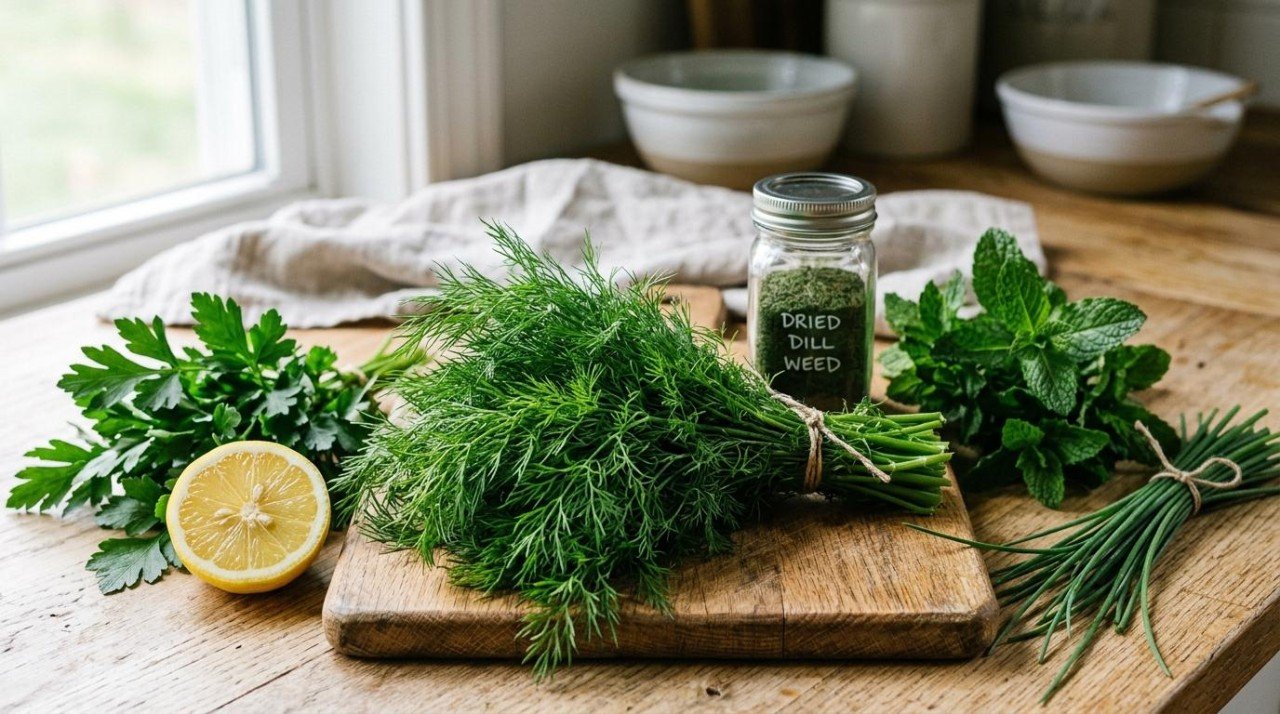
Fresh Thyme or Oregano + Lemon Zest
- Swap: 1 tablespoon za'atar → 1 tablespoon chopped fresh thyme or oregano leaves (or a mix) + 1/2 teaspoon lemon zest + 1 teaspoon toasted sesame seeds if you have them
- Best for: Roasted chicken and vegetables, marinades, olive oil for dipping bread right away
- Skip it for: A dry sprinkle or a jar; fresh herbs do not crumble or keep
The usual rule is 3 parts fresh herb for 1 part dried, so a tablespoon of fresh leaves covers the teaspoon or so of dried herb in a tablespoon of za'atar. Love and Lemons uses exactly this swap in its own recipe: 2 tablespoons chopped fresh thyme or 2 teaspoons dried. Fresh herbs taste brighter and greener, which works beautifully with chicken, lemon and olive oil.
Strip the leaves from the stems, chop them finely, and toss them with the oil and zest before they go on the food. Love and Lemons says a fresh-thyme batch keeps in the fridge for up to 5 days, so it is fine to make a little extra for the week. For a dipping oil, let the herbs sit in the olive oil for 10 to 15 minutes before serving so the flavor moves into the oil.
Sesame-Free Za'atar
- Swap: 1 tablespoon za'atar → 1 1/4 teaspoons dried thyme (or thyme + oregano) + 1 teaspoon toasted, roughly chopped sunflower seeds or hulled pumpkin seeds + 3/4 teaspoon ground sumac + a small pinch of salt
- Best for: Anyone avoiding sesame; it works everywhere za'atar does
- Skip it for: Nothing, as long as the seeds are processed in a sesame-free facility
Sesame is in nearly every za'atar recipe, which is a real problem for people who are allergic to it. Since the FASTER Act, sesame has been the ninth major food allergen in the U.S., and as of January 1, 2023, the FDA requires it to be labeled as an allergen on packaged foods. Store-bought za'atar should say so on the label, but making your own is the only way to be sure.
Sunflower seeds have a similar mild, nutty flavor when toasted, and hulled pumpkin seeds (pepitas) add a pleasant crunch. Chop them to about sesame size so they stick to the bread and do not roll off a dip. It looks a little different, but on a flatbread or roasted vegetables it tastes very close. If you are cooking for a household with different allergies, Eat Well Planner's Recipe Variations can rewrite a whole recipe sesame-free, swaps included.
What About the Health Side?
Za'atar is used in small amounts, so your choice of substitute will not change a dish's nutrition much. A few things are still worth knowing.
- Sodium: Dried herbs, sumac and sesame have almost no sodium, so the salt in za'atar comes from added salt. Homemade blends let you choose how much, and some store jars, like The Spice House's, list only herbs, sumac and sesame. Greek seasoning and other all-purpose blends tend to be much saltier, so check the label.
- Sesame seeds: A tablespoon of whole dried sesame seeds has about 52 calories, 1 gram of fiber, 88 mg of calcium and 1.3 mg of iron, according to USDA-based figures. A tablespoon of za'atar contains only about a third of that, so it is a small contribution, but a generous za'atar habit adds up.
- Flavor instead of salt: A blend this tangy and aromatic helps food taste seasoned with less salt. In a 20-week randomized trial summarized by Harvard's Nutrition Source, 40 adults coached to cook with spices and herbs instead of salt excreted about 957 mg less sodium per day than a control group.
- Gluten: According to Wikipedia, some commercial blends use wheat flour as a bulking agent. If you are gluten-free, check the label or make your own.
The bigger nutritional upside is what za'atar goes on. It turns a tray of roasted chickpeas, cauliflower and carrots, or a bowl of hummus with raw vegetables, into something you actually want to eat, and that adds up to a lot of fiber and plant variety. Our chickpeas guide has ideas if you are out of those too. As for the bold health claims sometimes made about thyme and other single spices, the evidence is thinner than social media suggests; Is Your Spice Rack a Medicine Cabinet? covers what actually holds up.
What Not to Use
- Sumac on its own: It is sour and fruity but has no herbal flavor. Sprinkled over hummus it is lovely, but it is not za'atar. Use it alongside dried thyme or oregano.
- Everything bagel seasoning: It has the sesame, but the dried garlic, onion and poppy seeds make anything taste like a bagel, and it has no herbs or tang.
- Ras el hanout, baharat or garam masala: These are warm spice blends built on cumin, cinnamon and cloves. They are great in their own right, but they do a completely different job. (If you are actually out of ras el hanout, we have a guide for that.)
- Tahini instead of sesame seeds in a dry blend: It is a paste, so it will not sprinkle. It does work in a man'oushe paste, though: if you have no sesame seeds, stir 1/2 teaspoon tahini per tablespoon of herbs into the olive oil for the nutty flavor.
- Lemon pepper seasoning: Mostly black pepper and salt, with a little lemon. It brings heat and saltiness rather than a herbal tang.
Which Za'atar Substitute Should You Use?
If you have sumac, make the homemade blend; it takes three minutes and is the real thing. No sumac? Dried thyme + lemon zest + sesame is the next best, especially on flatbreads and dips. For something gentle on labneh, eggs or yogurt, reach for marjoram; for chicken and roasted vegetables, oregano, Italian seasoning, Greek seasoning or fresh herbs all work, especially with a squeeze of lemon at the end. And when what you want is something to dip warm bread into, a jar of dukkah with a little lemon zest does the job nicely.
If you are not sure which substitute fits the dish in front of you, ask Eat Well Planner's AI recipe chat something like "I'm out of za'atar, what should I use on these chicken thighs?" It answers with your actual recipe in context, including what is already in it and how it cooks. And if you are cooking around a sesame allergy or another restriction, Recipe Variations rewrites the full recipe with the swaps already worked in. Making za'atar chicken with no thighs in the fridge? Our chicken thighs substitutes guide has you covered.