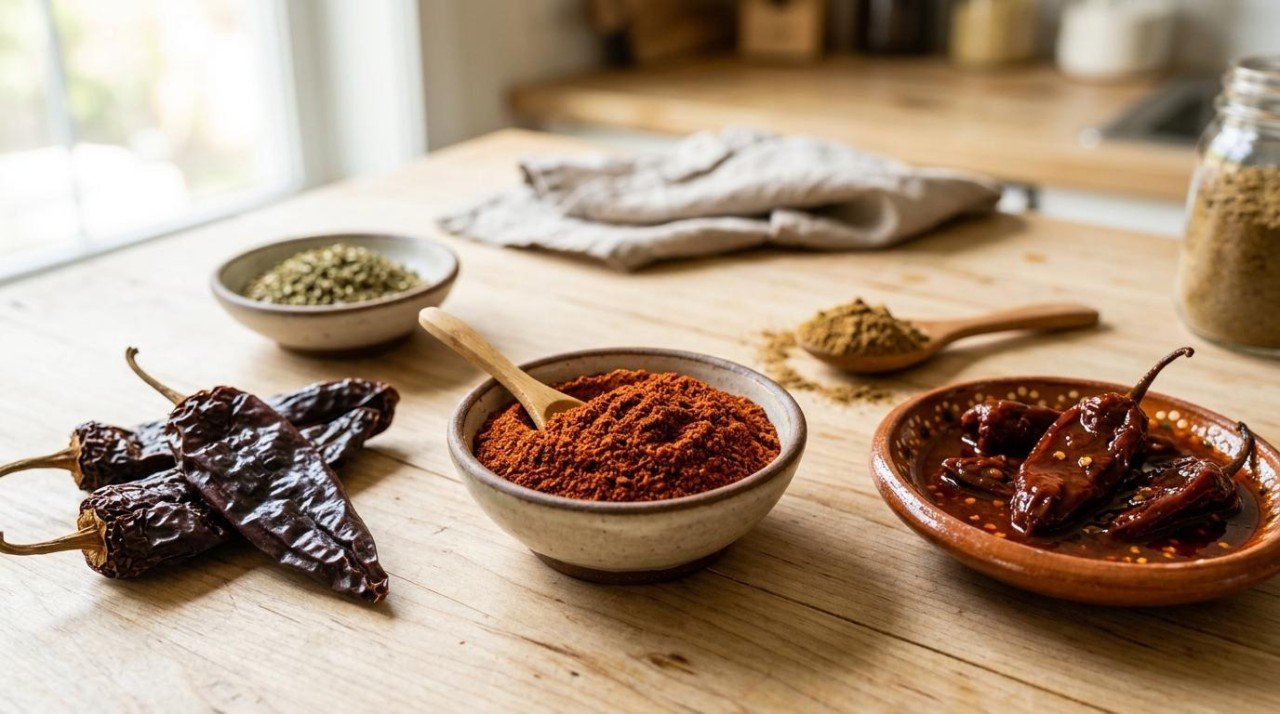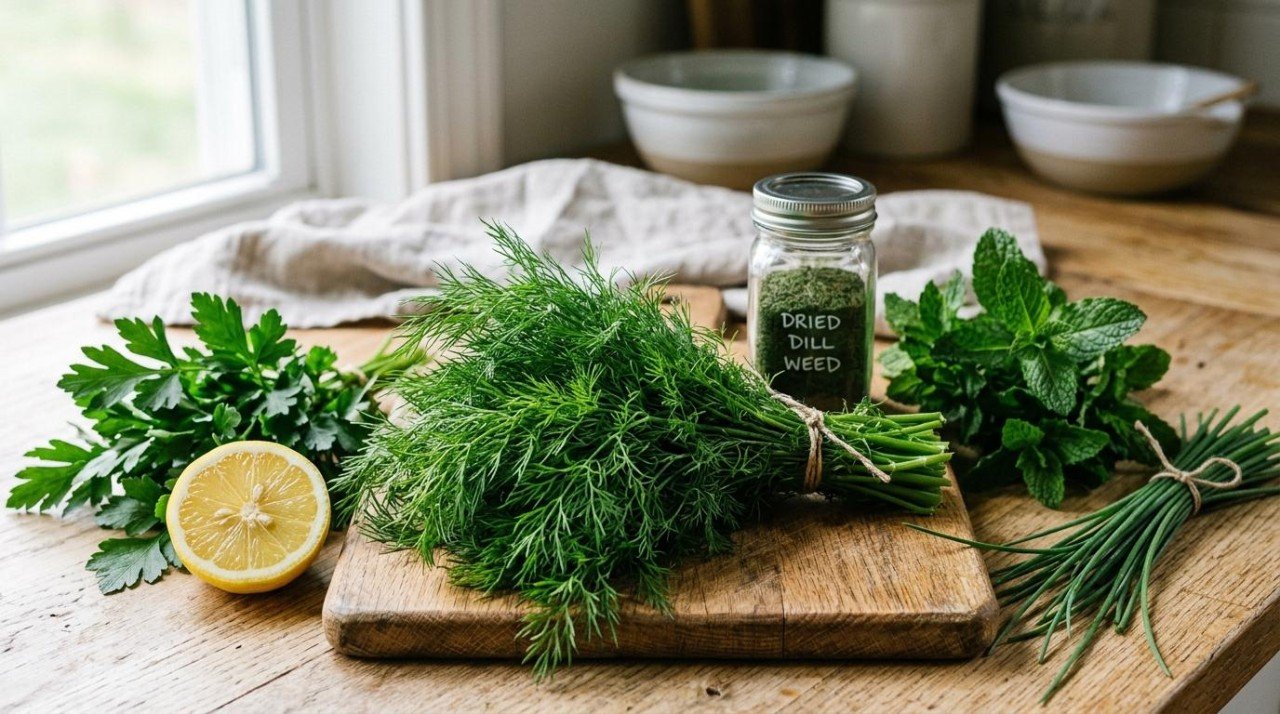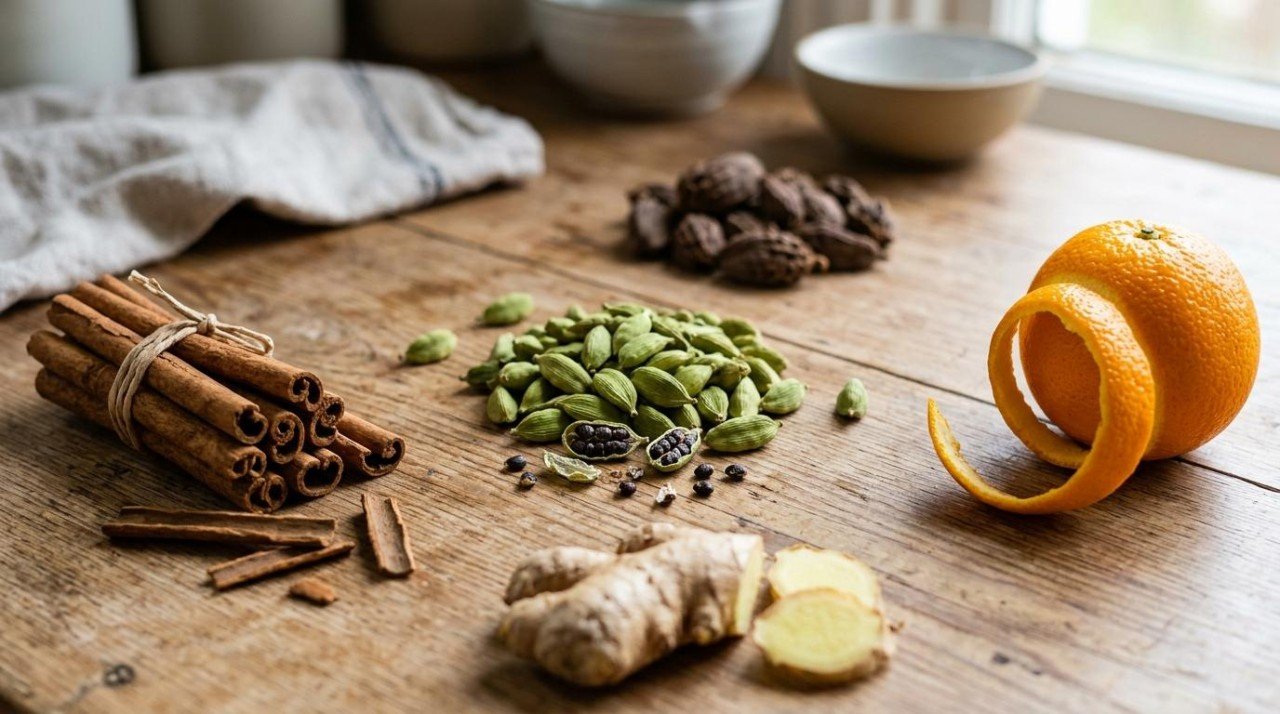
The cardamom buns are proofing, the chai is on the stove, or the rice for tonight's curry is already rinsed, and the cardamom jar turns out to be empty. Maybe you never bought it in the first place, which would be understandable. Green cardamom is one of the priciest spices on the shelf, and a lot of us buy a jar for one recipe and never touch it again.
Cardamom is hard to fake completely. Its flavor is floral, citrusy and a little cool, almost like eucalyptus, and no single common spice has all of that. But you can get close enough that nobody at the table will notice, as long as you pick the substitute for the dish you are making. A swap that works in a Swedish bun will taste odd in biryani, and the reverse is true too. Every option below has a measured ratio and a note on where it works and where it does not.
All ratios assume the recipe calls for ground green cardamom. If you have pods but the recipe wants ground, or the other way around, you do not need a substitute at all; see the conversion section just below the quick list. Black cardamom is a different spice, and it has its own section further down.
The Quick List
- Cinnamon + nutmeg — the best all-around stand-in for baking, buns and coffee cakes
- Cinnamon + ground ginger — the best pick for chai, rice pudding and spiced drinks
- Chai spice blend — usually already contains cardamom, so it is the easiest fix for chai and lattes
- Allspice — a single spice that covers baking, mulled drinks and savory meat dishes
- Garam masala — the best savory option for curries, dals and spiced rice
- Cinnamon + cloves — the classic whole-spice swap for pilaf, biryani and braises
- Ground ginger + lemon zest — adds back the citrus note in curries, cookies and marinades
- Pumpkin pie spice — a pantry blend that works in muffins, quick breads and oatmeal
- Orange or lemon zest — a fresh, bright fix for custards, buns and fruit desserts
- Black cardamom — only for savory dishes, where its smoky flavor fits
Pods, Seeds and Ground: Convert Before You Substitute
Recipes switch between whole pods, loose seeds and ground cardamom constantly, and a lot of "I don't have cardamom" moments are really "I have the wrong form of cardamom." If you have any form of green cardamom in the house, use it before reaching for a substitute.
- Recipe calls for ground, you have pods: A commonly cited equivalent is 10 pods to about 1 1/2 teaspoons of ground cardamom, so plan on roughly 7 pods per teaspoon. Crack the pods with the flat of a knife, pick out the dark seeds, discard the papery husks, and grind the seeds in a mortar and pestle or a spice grinder. Pods vary a lot in size, so measure the ground spice rather than trusting the pod count.
- Recipe calls for pods, you have ground: Use about 1/8 teaspoon of ground cardamom for each pod. In rice, stir it into the cooking water; in a curry, add it with the other ground spices after the onions have softened, so it blooms in the oil instead of tasting raw.
- Recipe calls for seeds, you have ground: Use the same amount of ground as the recipe's seeds, then taste. Freshly ground seeds are punchier than an older jar, so if your ground cardamom has been open a long time, add a little more.
- Recipe calls for freshly ground, you have a jar: Same amount, or up to a third more if the jar is old. Ground cardamom loses its aroma quickly once the seeds are exposed, so smell it first. If it smells faintly dusty rather than floral, it will taste that way too.
One more tip: whole pods are a much better buy than ground if you cook with cardamom more than once a year. They keep their flavor far longer, and a green pod has around 10 seeds inside, so a small bag goes a long way.
Green vs. Black Cardamom: Not Interchangeable
Green cardamom and black cardamom are related plants with very different flavors. Green cardamom (Elettaria cardamomum) is the small, pale green pod most recipes mean when they just say "cardamom." It is sweet, floral and citrusy, and it works in desserts, breads, drinks and savory dishes alike. White cardamom is simply bleached green cardamom, with a milder flavor, and it can be used the same way.
Black cardamom (Amomum subulatum) is a larger, wrinkly, dark brown pod. It is dried over an open fire, which gives it a strong smoky, resinous, almost camphor-like flavor. Spices Inc. notes it is a staple in blends like garam masala and tandoori spice, and that black pods are usually fished out before serving. It belongs in long-simmered savory dishes: dals, meat curries, biryani, pho broth.
So the rules are simple. Never use black cardamom in a dessert, a bun or a cup of chai; it will taste like a campfire. Green cardamom can stand in for black in savory dishes, but you lose the smoke. If black cardamom is what you are out of, see the dedicated section near the end of this guide.
Match the Substitute to the Dish
- Scandinavian buns, pulla, coffee cakes, cookies — cinnamon + nutmeg, allspice, pumpkin pie spice, orange zest
- Chai, spiced lattes, Arabic-style coffee, hot chocolate — chai spice blend, cinnamon + ginger, cinnamon + nutmeg
- Rice pudding, kheer, custards, panna cotta, poached fruit — cinnamon + ginger, orange or lemon zest, cinnamon + nutmeg
- Curries, dals, kormas, butter chicken — garam masala, ginger + lemon zest, cinnamon + cloves
- Pilaf, biryani, pulao, spiced rice — cinnamon stick + whole cloves, garam masala, black cardamom
- Muffins, quick breads, oatmeal, granola — pumpkin pie spice, cinnamon + nutmeg, allspice
Cinnamon + Nutmeg
- Swap: 1 teaspoon ground cardamom → 1/2 teaspoon ground cinnamon + 1/4 teaspoon ground nutmeg
- Best for: Cardamom buns, pulla and other sweet yeast breads, coffee cakes, cookies, apple and pear desserts
- Skip it for: Savory curries and rice, where it tastes like dessert
This is the most widely recommended cardamom substitute for baking, and for good reason: both spices are in almost every pantry, and together they cover cardamom's warm, sweet side. Cinnamon brings the warmth and nutmeg adds a soft, slightly piney depth. What you lose is the floral, citrusy top note, which is why a little orange zest (see below) is a great addition if you have an orange in the fruit bowl.
Some guides use equal parts cinnamon and nutmeg. In practice, that much nutmeg can take over a delicate dough, so starting with twice as much cinnamon as nutmeg is safer. If you are making Swedish kardemummabullar or Finnish pulla, where cardamom is the star rather than a background note, know that the result will taste more like a cinnamon bun. That is not a bad outcome. If nutmeg is the one you are missing, our nutmeg substitutes guide covers that side.
Cinnamon + Ground Ginger
- Swap: 1 teaspoon ground cardamom → 1/2 teaspoon ground cinnamon + 1/4 teaspoon ground ginger
- Best for: Chai, spiced lattes, rice pudding, kheer, gingerbread, carrot cake
- Skip it for: Light custards where you want a clean, floral flavor rather than a spicy one
Ginger has a bright, peppery bite that echoes the slightly cool, sharp side of cardamom better than nutmeg does. That makes this pairing the stronger pick for drinks and milky desserts, where the spice is tasted up front. In homemade chai, it is a natural fit because cinnamon and ginger are already part of most masala chai spice mixes.
Use ground ginger here, not fresh. If you want to use fresh ginger in a pot of chai, a few thin slices simmered with the tea works well, but it is much stronger by volume. Our fresh ginger substitutes guide explains how the two convert.
Chai Spice Blend
- Swap: 1 teaspoon ground cardamom → 1 teaspoon chai spice blend
- Best for: Chai, lattes, spiced coffee, oatmeal, snickerdoodle-style cookies, quick breads
- Skip it for: Savory dishes, and recipes that already call for a lot of cinnamon and ginger
Most chai spice blends are built around cardamom, plus cinnamon, ginger, cloves and sometimes black pepper. So you are swapping cardamom for a mix that already includes it. In chai and coffee drinks, it is the easiest and most convincing fix on this list. In baking, it is a good stand-in as long as the recipe does not already have a lot of other warm spices, since you are adding more cinnamon and ginger on top.
Check the label before you use it. A dry spice blend is just spices, but "chai mix" or "instant chai" powders are often mostly sugar and milk powder, and those do not behave like a spice in a recipe.
Allspice
- Swap: 1 teaspoon ground cardamom → 1/2 teaspoon ground allspice, then taste and add up to 1/4 teaspoon more
- Best for: Spice cakes, muffins, mulled cider and wine, Swedish meatballs, spiced meat dishes
- Skip it for: Chai and delicate custards, where its clove-like note gets loud
Allspice is a single spice, the dried berry of a Caribbean tree, but it tastes like a blend of cinnamon, nutmeg and cloves. That makes it a handy one-jar substitute when you do not want to mix anything. It is more assertive than cardamom and leans warm and woody rather than floral, so start at half the amount and build up.
Allspice is also one of the few cardamom substitutes that works on both the sweet and savory sides. Allspice is already a traditional seasoning in Swedish meatballs, so if a meatball or spiced ground meat recipe calls for cardamom, a small pinch of allspice fits right in.
Garam Masala
- Swap: 1 teaspoon ground cardamom → 1 teaspoon garam masala, added near the end of cooking
- Best for: Curries, dals, kormas, butter chicken, spiced rice, roasted cauliflower and chickpeas
- Skip it for: Desserts, buns, chai and anything sweet
Garam masala is the best substitute for cardamom in savory Indian and South Asian dishes, because most blends contain cardamom already, often both green and black, along with cinnamon, cloves, cumin, coriander and black pepper. In a curry that calls for a teaspoon of ground cardamom among other spices, it slots right in.
Because it also brings cumin and pepper, it is a flavor change in anything sweet. Stir it in during the last few minutes of cooking to keep its aroma bright. If you are making butter chicken tonight, our healthier butter chicken makeover shows how to keep the creamy sauce while adding more vegetables. And if garam masala is the thing you are out of, the garam masala substitutes guide has you covered.
Cinnamon + Cloves (Whole or Ground)
- Swap (whole): 4 green cardamom pods → a 1-inch piece of cinnamon stick + 2 whole cloves
- Swap (ground): 1 teaspoon ground cardamom → 1/2 teaspoon ground cinnamon + 1/8 teaspoon ground cloves
- Best for: Pilaf, biryani, pulao, braises, mulled drinks, spiced meat stews
- Skip it for: Recipes that already include cloves, and pale or delicate desserts
In rice dishes and braises, whole cardamom pods are usually one of several whole spices that infuse the dish slowly, often alongside a bay leaf, cinnamon and cloves. If you are missing just the cardamom, a little extra cinnamon stick and a couple of cloves fill the gap without changing the dish's character. Fish them out before serving, just as you would the pods.
Cloves are very strong, with a numbing, medicinal edge when overused, so the ground version uses only 1/8 teaspoon. If the recipe already calls for cloves, do not add more; use extra cinnamon or a bay leaf instead. And if cardamom is only one of six or seven whole spices in a big pot of biryani, you can honestly just leave it out.
Take the Guesswork Out of Eating Well
Eat Well Planner helps you organize your favorite recipes, plan balanced meals, and automatically generate shopping lists — all in one place. Whether you're tracking macros, managing dietary restrictions, or just trying to stop asking "what's for dinner?", we've got you covered.
Our AI-powered tools can adapt any recipe to your dietary needs, help you discover new meals you'll love, and even log your nutrition effortlessly. It's meal planning made simple.
Start Organizing Your Meals — FreeGround Ginger + Lemon Zest
- Swap: 1 teaspoon ground cardamom → 1/2 teaspoon ground ginger + 1/2 teaspoon finely grated lemon zest
- Best for: Curries, lentil soups, marinades for chicken or fish, ginger cookies, shortbread
- Skip it for: Chai and milky desserts, where lemon zest can taste out of place
Cardamom's most distinctive quality is that bright, citrusy lift, and this is the one substitute that tries to recreate it directly. Ginger supplies warmth and a little bite, and lemon zest supplies the citrus aroma. In savory dishes, it works especially well in yogurt marinades and lighter curries, where the freshness is noticeable.
Add the zest near the end in cooked dishes, since its aroma fades with long simmering. In baking, rub the zest into the sugar with your fingers before mixing; it releases the oils and spreads the flavor through the dough.
Pumpkin Pie Spice
- Swap: 1 teaspoon ground cardamom → 3/4 teaspoon pumpkin pie spice
- Best for: Muffins, quick breads, oatmeal, granola, pancakes, coffee cake
- Skip it for: Savory dishes, and recipes where cardamom is the only spice and the main flavor
Pumpkin pie spice is typically cinnamon, ginger, nutmeg and allspice, which together cover most of what the cinnamon + nutmeg and cinnamon + ginger pairings do, already premixed. It is a little stronger than cardamom, mostly because of the cinnamon, so start at three-quarters of the amount.
It is the practical choice for everyday baking and breakfast. In a bowl of oatmeal or a jar of overnight oats, a generous pinch of warm spice makes the oats taste sweeter, so you need less sweetener. That is one of the tricks behind our healthier overnight oats.
Orange or Lemon Zest
- Swap: 1 teaspoon ground cardamom → 1 teaspoon finely grated orange zest + 1/4 teaspoon ground cinnamon
- Best for: Custards, panna cotta, rice pudding, cardamom buns, poached pears, fruit crisps, shortbread
- Skip it for: Curries and savory rice, unless the recipe already has citrus
This is the substitute to use when a dessert is supposed to taste floral and fragrant rather than warm and spicy. Orange zest carries the bright, perfumed side of cardamom that cinnamon and nutmeg miss, and a small amount of cinnamon keeps it from tasting like a plain orange dessert. Lemon zest works too; it is a little sharper.
Zest only the colored outer peel, since the white pith underneath is bitter. For custards and rice pudding, steep the zest in the warm milk for 10 minutes before you continue, then strain it out if you want a smooth texture.
Black Cardamom (Savory Dishes Only)
- Swap: 3 green cardamom pods → 1 black cardamom pod, lightly cracked and removed before serving
- Best for: Dals, meat curries, biryani, pho and other long-simmered broths
- Skip it for: Every dessert, bread, drink and quick-cooking dish
If you have black cardamom from an Indian or Vietnamese recipe, it can stand in for green in savory cooking. Expect a different dish, though: smoky and deep rather than floral and bright. Black pods are larger and stronger, so use one for every two or three green pods and give it time to simmer. Ground black cardamom is too strong to substitute teaspoon for teaspoon; use about a quarter of the amount and taste.
In a rich, slow-cooked dish like a lamb curry or a pot of dal, black cardamom can be a nice change. In anything sweet, it does not work at all.
Out of Black Cardamom Instead?
If the recipe calls for black cardamom and you only have green, or nothing at all, you need to replace two things: the cardamom flavor and the smoke.
- Green cardamom + smoked paprika: Replace 1 black pod with 2 green pods plus a small pinch (about 1/8 teaspoon) of smoked paprika. This is the closest swap. Our smoked paprika guide covers what to use if you are out of that too.
- Cinnamon stick + clove + smoked paprika: With no cardamom at all, use a 1-inch piece of cinnamon stick, 1 whole clove and a pinch of smoked paprika per black pod.
- Leave it out: In a garam masala-heavy curry with several other whole spices, a single missing black pod is barely noticeable.
What About the Health Side?
Cardamom and its substitutes are used in such small amounts that swapping one for another will not change the nutrition of a dish in any meaningful way. A few things are still worth knowing.
- The research uses far more than a recipe does. A 2023 meta-analysis of eight small trials with about 770 participants found that cardamom lowered blood pressure slightly, by roughly 0.5 mmHg systolic and 0.9 mmHg diastolic, and reduced a marker of inflammation. But every trial used 3 grams a day, roughly 1 1/2 teaspoons of ground cardamom every single day for 8 to 16 weeks, all were conducted in Iran, and the authors themselves urged caution given the small number of studies. That is interesting, not a reason to worry about missing the cardamom in one batch of buns.
- Single spices are essentially salt-free. Cinnamon, nutmeg, ginger, allspice and cloves contain almost no sodium. Most spice blends do not either, but some seasoning mixes add salt or sugar, so check the label on any blend.
- Warm spices make it easier to use less sugar and salt. Cardamom, cinnamon and ginger make food taste sweeter and more interesting than it is, which lets you cut the sugar in oatmeal, coffee or baking without the result tasting flat. The same idea works for salt in savory food. In a 20-week randomized trial summarized by Harvard's Nutrition Source, 40 participants who learned to season with spices and herbs instead of salt ended up eating about 957 mg less sodium per day than a control group. It was a small study, but the practical point holds.
If you are tempted to double the nutmeg or cloves because a substitute seems weak, don't. Both are potent in large amounts, and our nutmeg guide explains why nutmeg in particular should stay at recipe-sized amounts. For a broader look at which spice health claims actually hold up, see Is Your Spice Rack a Medicine Cabinet?
A Healthier Use for Your Substitute
Whatever you use in place of cardamom, warm spices are one of the easiest ways to make sweet foods a little better for you. A generous pinch of cardamom, or cinnamon + ginger, in coffee or a latte makes a sweetened syrup much less necessary. In breakfast oats, yogurt bowls and baked fruit, the same pinch lets you cut the honey or maple syrup back without anyone missing it.
Buns and sweet breads are a good place to try it too. Spiced doughs carry flavor without relying entirely on sugar, which is part of how our healthier cinnamon rolls kept the gooey swirl while scoring 22 points higher. The same approach works for a batch of cardamom buns, whichever spice you end up using.
What Not to Use
- Black cardamom in sweet recipes: Its smoky, camphor-like flavor overpowers buns, custards and chai.
- Instant chai mix: These powders are mostly sugar and milk powder. They will add sweetness to a recipe, not much spice.
- Extra cloves: A little helps; a lot makes desserts taste medicinal. Stick to 1/8 teaspoon per teaspoon of cardamom.
- Star anise or fennel seed: Both are aromatic but strongly licorice-flavored. They change the dish rather than filling a gap.
- Vanilla extract alone: It adds roundness to custards and buns but does not taste like cardamom. Use it alongside a spice substitute, not instead of one.
- Garam masala in desserts: The cumin, coriander and black pepper do not belong in a cardamom bun or rice pudding.
Which Cardamom Substitute Should You Use?
First check for pods or seeds, and convert if you have them: about 7 pods per teaspoon of ground. For buns, cookies and coffee cakes, use 1/2 teaspoon cinnamon plus 1/4 teaspoon nutmeg per teaspoon, and add a little orange zest if you have it. For chai and rice pudding, use cinnamon plus ginger or a chai spice blend. For curries and dals, use garam masala, and for spiced rice, an extra piece of cinnamon stick and a couple of cloves. Keep black cardamom for savory dishes only.
If you are not sure which one fits the recipe in front of you, that is exactly what Eat Well Planner's AI recipe chat is for. Ask "I'm out of cardamom, what should I use in this?" and it answers with your actual recipe in context, including which spices are already in it, so it will not suggest more cloves for a biryani that already has six. If you are baking and want to see what cutting the sugar does before you try it, the Recipe Playground shows the change in the nutrition score live, one edit at a time.