The onions are soft, the garlic is in, the recipe says "1 teaspoon ground turmeric," and the jar is empty. Or it's so old it has faded to a dusty mustard color. Turmeric does two jobs in a dish: it paints it a warm golden yellow, and it adds a mild, earthy, slightly bitter, faintly peppery flavor that sits underneath the louder spices.
Here is the honest version up front. The color is fairly easy to replace. The flavor is easy to approximate, because it's subtle. What nothing replaces is turmeric itself, so if you cook with it mainly for curcumin, the compound behind all the health headlines, skip to that section below. For dinner tonight, the right substitute depends on whether your dish needs turmeric for color (yellow rice, deviled eggs, tofu scramble), for flavor (curries and dals), or both.
All ratios below are per 1 teaspoon of ground turmeric. Scale up or down from there.
The Quick List
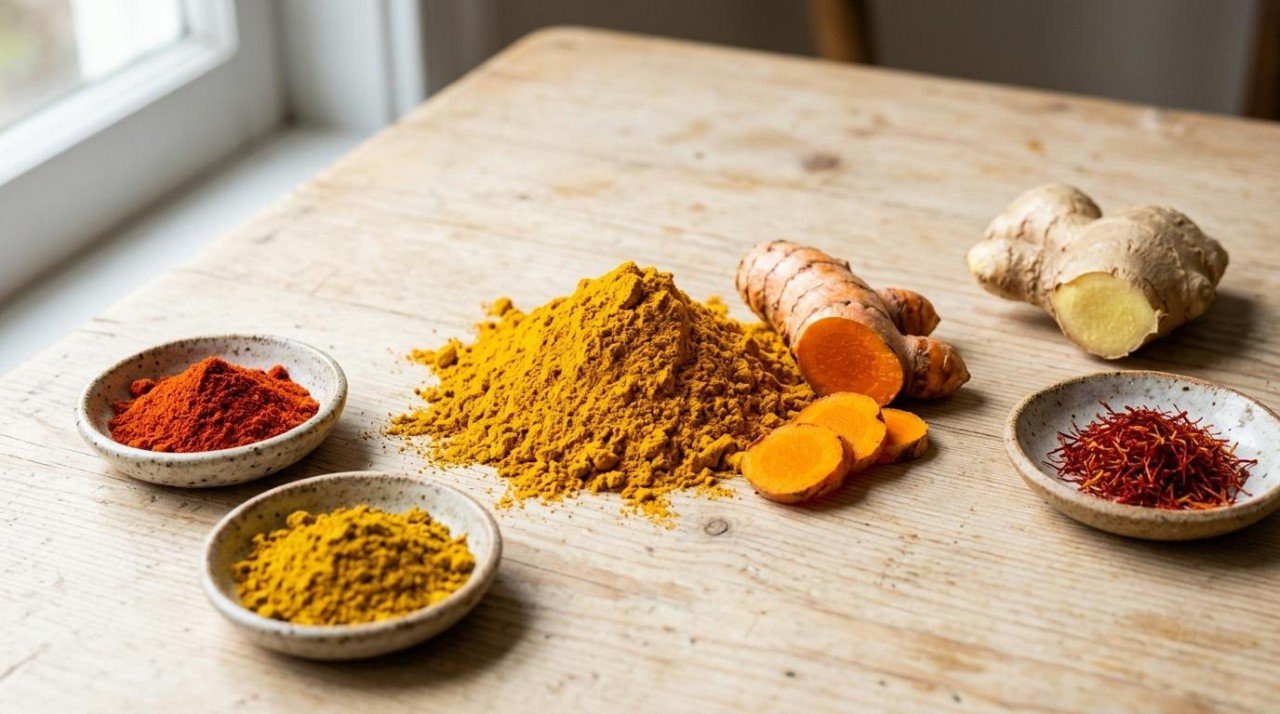
- Fresh turmeric root — the same spice in a different form, about 1 tablespoon grated per teaspoon of ground
- Curry powder — the best all-round swap for curries, dals, soups and roasted vegetables
- Sweet paprika + ground ginger — a pantry blend that covers both color and warmth
- Saffron — golden color and a far more elegant flavor for rice, at a much higher price
- Annatto (achiote) — warm yellow-orange color with a mild, peppery taste
- Safflower — clean golden color with almost no flavor of its own
- Ground ginger — turmeric's botanical cousin, for warmth when color doesn't matter
- Mustard powder — yellow color and tang for deviled eggs, potato salad, pickles and cheese sauces
- Ground cumin — earthy depth for curries and lentils, with no color
- Leave it out — fine in many well-spiced curries and stews, where it's one voice of many
Color, Flavor, or Both? Match the Substitute to the Dish
Before you reach for anything, ask what turmeric is actually doing in your recipe.
- Curries, dals, chana masala and other spiced stews — Turmeric is one of several spices, and it gives the base its golden color and a little earthy bitterness. Use curry powder, the paprika + ginger blend, or simply leave it out if the recipe has plenty of other spices.
- Yellow rice, pilaf and biryani — Here turmeric is mostly color. Use annatto, safflower or saffron, or a little sweet paprika for a warmer orange-gold.
- Tofu scramble and egg dishes — Turmeric makes tofu look like eggs and makes eggs look extra sunny. A little sweet paprika, annatto or mustard powder covers it, and black salt (kala namak) adds the eggy flavor if you have it.
- Deviled eggs, potato salad, mac and cheese, pickles and relish — Mustard powder or a spoonful of yellow mustard is the natural fit, since prepared yellow mustard gets its color from turmeric in the first place.
- Soups and broths — Chicken soup and lentil soup are often colored with a pinch of turmeric. Saffron, safflower, sweet paprika or curry powder all work depending on the soup's other flavors.
- Golden milk, turmeric lattes, wellness shots and smoothies — Turmeric is the whole point. Use fresh root if you can, or see the curcumin section below for an honest look at what the swaps can and can't do.
- Baking (golden breads, cakes, cookies) — Turmeric is used for color, and its earthy edge can turn bitter in sweets. Safflower, saffron or a little annatto gives color without the bitterness. They're also more predictable in batters made with baking soda, where curcumin can shift toward red in alkaline conditions, as Food Crumbles explains.
Take the Guesswork Out of Eating Well
Eat Well Planner helps you organize your favorite recipes, plan balanced meals, and automatically generate shopping lists — all in one place. Whether you're tracking macros, managing dietary restrictions, or just trying to stop asking "what's for dinner?", we've got you covered.
Our AI-powered tools can adapt any recipe to your dietary needs, help you discover new meals you'll love, and even log your nutrition effortlessly. It's meal planning made simple.
Start Organizing Your Meals — FreeFresh Turmeric Root
- Swap: 1 teaspoon ground turmeric → about 1 tablespoon finely grated fresh turmeric (roughly a 1-inch piece of root)
- Best for: Curries, dals, soups, golden milk, smoothies, dressings, marinades, everything ground turmeric is used for
- Skip it for: Dry spice rubs and spice blends, where its moisture makes the mix clump
If you have fresh turmeric in the fridge, you don't need a substitute at all, just a conversion. Fresh turmeric looks like a smaller, skinnier, orange-fleshed ginger root, and it tastes brighter and a little more peppery and citrusy than the dried powder. Cooks commonly use about three times as much grated fresh as ground, the same rule of thumb used for ginger. Strength varies from root to root, so start at 2 teaspoons grated, taste, and add more.
Peel it with the edge of a spoon (or don't bother if the skin is thin), then grate it on a microplane. Add it with the garlic and ginger so it cooks for a minute in the fat. Wear an apron, and think twice about the white cutting board: fresh turmeric stains fingers, wooden spoons and counters a vivid yellow. Leftover root freezes well, and you can grate it straight from frozen.
Curry Powder
- Swap: 1 teaspoon turmeric → 1 teaspoon curry powder, then reduce any cumin and coriander in the recipe by about 1/2 teaspoon each
- Best for: Curries, dals, lentil and vegetable soups, roasted cauliflower and chickpeas, chicken salad, tofu scramble
- Skip it for: Rice where you want only color, delicate soups, sweets and pickles
Most curry powders are built on coriander and cumin, with turmeric for color and smaller amounts of ginger, chili, fenugreek and mustard. That makes curry powder the easiest swap in any dish that already uses those spices. It brings turmeric's earthiness along with familiar company, and the recipe ends up tasting like itself.
Two things to know. First, curry powder is less yellow than straight turmeric, so expect a slightly browner, more muted color. If color matters, add a pinch of sweet paprika. Second, check the heat: Madras-style curry powder is hotter than mild blends, so taste before adding the full teaspoon to a dish that already has chili. Out of curry powder too? The curry powder substitutes guide has a homemade blend.
Sweet Paprika + Ground Ginger
- Swap: 1 teaspoon turmeric → 1/2 teaspoon sweet paprika + 1/4 teaspoon ground ginger (add a pinch of ground cumin for curries)
- Best for: Curries, stews, roasted vegetables, chicken and rice, lentil soup, marinades
- Skip it for: Pale dishes where the paprika's orange-red tint shows, and sweets
This is the substitute to make if you own neither curry powder nor fresh root. Paprika supplies the color (more orange than yellow, but warm and golden in a sauce), and ginger supplies the warm, slightly peppery bite. A pinch of cumin adds back the earthy note turmeric gives a curry base. None of the three tastes like turmeric on its own, but together they fill the same gap in a spiced dish.
Use sweet paprika, not smoked, unless you want the dish to taste smoky; smoked paprika takes over a curry quickly. As with any ground spice, bloom the blend in the hot oil for 30 seconds before adding liquid so it loses its raw, dusty taste. If you're out of paprika, see the smoked paprika substitutes guide, and for the ginger, the ginger substitutes guide.
Saffron
- Swap: 1 teaspoon turmeric → 1 pinch saffron threads (about 20), crushed and steeped in 2 to 3 tablespoons of the recipe's hot liquid for 15 to 20 minutes
- Best for: Yellow rice, pilaf, biryani, paella, chicken soup, golden breads and buns
- Skip it for: Curries and dals, where its floral flavor gets lost and the money is wasted
Saffron is what turmeric is often used to imitate, so swapping in the real thing is an upgrade in color and aroma. It gives rice a deeper orange-gold than turmeric's lemon yellow, and a honeyed, floral taste rather than an earthy one. That difference is the catch: a dish that relies on turmeric's earthiness won't taste the same, and saffron costs far more.
Steep it before it goes in. Dry threads tossed straight into a pot release their color slowly and unevenly. The saffron substitutes guide covers threads versus powder and how to tell real saffron from fake.
Annatto (Achiote)
- Swap: 1 teaspoon turmeric → 1/2 teaspoon ground annatto, or replace 1 tablespoon of the recipe's oil with annatto oil
- Best for: Yellow rice, arroz con pollo, stews, soups, tofu scramble, Latin American and Filipino dishes
- Skip it for: Dishes where you want a true lemon yellow; annatto leans orange
Annatto comes from the red seeds of the achiote tree, and it's the color behind orange cheddar and many boxed yellow rice mixes. WebMD describes its taste as slightly sweet and peppery, with a color similar to saffron's. In practice the flavor is mild enough to disappear into a well-seasoned dish, which makes annatto a strong color-only swap.
For whole seeds, make annatto oil: warm 1/4 cup oil with 1 tablespoon annatto seeds over low heat for about 5 minutes, until the oil turns deep orange, then strain. Use that oil to start your rice or sauté your aromatics. Ground annatto can turn bitter if it scorches, so stir it into the liquid rather than frying it hard in hot oil. Start with less than you think; it colors strongly.
Safflower
- Swap: 1 teaspoon turmeric → about 1 teaspoon dried safflower petals, steeped in a few tablespoons of hot liquid for 10 minutes
- Best for: Rice, soups, broths, golden breads and any dish where you want color with nothing else
- Skip it for: Curries and dals, where you need turmeric's flavor, not just its color
Safflower petals are sold as "Mexican saffron" or "azafran" in Latin and Middle Eastern markets. They color liquid a soft yellow-orange and taste of almost nothing, which makes them the most neutral swap on this list and a good pick for baking, where turmeric's earthiness would be out of place. Steep the petals in hot stock, water or milk, then strain them out or leave them in as flecks.
The color is gentler than turmeric's, so it suits dishes where a soft gold is enough. For bright yellow, add a little more or pair it with a pinch of annatto.
Ground Ginger
- Swap: 1 teaspoon turmeric → 1/2 teaspoon ground ginger
- Best for: Curries, soups, stir-fries, marinades, spiced lentils, golden-style milk where color doesn't matter
- Skip it for: Anything that needs to be yellow, and dishes already heavy on ginger
Turmeric and ginger are both rhizomes from the same plant family, and you can taste the relationship: both are warm, earthy and a little peppery. Ginger is sharper and hotter, though, so use half as much. It gives the dish turmeric's warmth with none of its color, which is fine in a dark curry or a tomato-based stew where nobody would see the yellow anyway.
If you have fresh ginger instead of ground, grate about 1 1/2 teaspoons and add it with the garlic. Then pair it with paprika or annatto if you want the golden color back.
Mustard Powder
- Swap: 1 teaspoon turmeric → 1/2 teaspoon dry mustard powder, or 1 tablespoon prepared yellow mustard in deviled eggs and potato salad
- Best for: Deviled eggs, egg salad, potato salad, mac and cheese, cheese sauces, pickles, chow chow, dressings
- Skip it for: Curries, rice and sweets, where its sharp heat and tang don't belong
Mustard powder is pale yellow and much sharper than turmeric, with a sinus-clearing heat when it hits liquid. That heat mellows with cooking and sits well with eggs, potatoes and cheese, which is exactly where turmeric is often used for color. Prepared American yellow mustard is an even easier swap in creamy salads: it gets its bright color from turmeric already, so a spoonful does the coloring for you. Cut back on any vinegar in the recipe a little to make room for the mustard's acidity.
For bread-and-butter pickles and relishes, where turmeric is mostly color, mustard seed and mustard powder are usually already in the brine, so you can simply leave the turmeric out and accept a paler pickle.
Ground Cumin
- Swap: 1 teaspoon turmeric → 1/2 teaspoon ground cumin
- Best for: Dals, lentil soups, chana masala, curries, spiced rice, roasted root vegetables
- Skip it for: Color, and dishes that already have plenty of cumin
Cumin doesn't taste like turmeric, but it fills a similar spot in a spice base: warm, earthy and slightly bitter. In a lentil dal it keeps the dish from tasting flat when the turmeric is missing. It adds no color, so the dal will be beige rather than golden, unless you add a pinch of paprika too. Toast it in the oil until fragrant, about 30 seconds, for the best flavor. Short on cumin as well? There's a cumin substitutes guide for that.
Leave It Out
- Swap: Skip it; if the recipe has five or more other spices, nothing else needs to change
- Best for: Spice-heavy curries, tikka masala, chili, tagines, tomato-based stews
- Skip it for: Yellow rice, golden milk, tofu scramble, and dishes named for their color
Turmeric's flavor is mild, and in a dish with garam masala, cumin, coriander, chili, ginger and garlic, it's a quiet background note. Leaving it out mostly changes the color, from golden to a browner or redder shade. Taste at the end: if the sauce seems a little flat or one-dimensional, a squeeze of lemon and a pinch more salt usually fix it better than another spice would.
If You Use Turmeric for Curcumin
Many people buy turmeric for health reasons rather than flavor, and they deserve a straight answer: none of the substitutes above contain curcumin, the yellow compound that gives turmeric its color and most of its research interest. Annatto, saffron and safflower match the color with entirely different pigments. Ginger is related but different. Curry powder contains some turmeric, but a 2006 analysis of 28 turmeric and curry powder products found pure turmeric averaged about 3.14% curcumin by weight, while most curry powders had relatively little and varied widely from brand to brand.
So for golden milk, turmeric lattes and wellness shots, the only real swap is fresh turmeric root. If you have neither, a warm milk with ginger, cinnamon and a little honey is a lovely drink in its own right. Just call it spiced milk, not a turmeric substitute.
It's also worth keeping the health claims in proportion. The National Center for Complementary and Integrative Health says researchers don't yet know enough to conclude that turmeric or curcumin is beneficial for any health purpose. There are early positive results for knee osteoarthritis and some other conditions, but higher-quality evidence is still needed. Our look at what the evidence says about spices goes deeper. Turmeric is a wonderful ingredient to cook with. A missed teaspoon in tonight's dal won't change your health either way.
Black Pepper and Turmeric: Myths vs. Facts
You'll often read that turmeric is "useless without black pepper." Here's what the research actually supports.
- Fact: piperine, the main compound in black pepper, increased curcumin absorption in a human study. The study everyone cites, published in Planta Medica in 1998, gave healthy volunteers 2 grams of curcumin with or without 20 mg of piperine. Curcumin alone barely showed up in the blood. With piperine, bioavailability rose by about 2000%. The NCCIH also notes that combining curcumin with piperine is one way to improve its absorption.
- Context: that study used far more curcumin than any kitchen does. A teaspoon of ground turmeric weighs about 2 to 3 grams, so at roughly 3% curcumin it holds somewhere around 60 to 100 mg. The 2 grams of pure curcumin in that trial is the amount in roughly 20 to 30 teaspoons of turmeric. The famous 2000% figure comes from one small trial with supplement-level doses, measured over a short window, and it doesn't tell us what a pinch of pepper does in a pot of curry.
- Myth: turmeric is pointless without pepper. In cooking, you're using turmeric for color and flavor, and it delivers both with or without pepper. Plenty of good recipes use turmeric and no black pepper at all.
- Fact: more absorption isn't automatically better. According to the NCCIH, liver damage has been reported in some people who took highly bioavailable curcumin formulations, and turmeric supplements during pregnancy may be unsafe. If you take a curcumin supplement, especially one with piperine or another absorption booster, talk to your doctor first. That's a supplement question, not a cooking one.
- Practical takeaway: Cooking turmeric in a little fat with black pepper, onions, garlic and ginger is how countless traditional dishes do it, and it tastes great. Do it for the flavor. If it also nudges absorption up a bit, that's a bonus.
A Word on Buying Turmeric
When you restock, it's worth knowing that bright color isn't always a sign of quality. A 2019 Stanford-led investigation found that some spice processors in Bangladesh added lead chromate, an industrial yellow pigment, to make dull turmeric look brighter, and that more than 15 turmeric brands sold in countries including the U.S. had been recalled since 2011 for excessive lead. The researchers note that lead has no safe consumption level.
That doesn't mean your jar is a problem, but it does favor buying from established spice brands and grocers rather than unlabeled bulk turmeric of unknown origin, and paying attention to recalls. Fresh turmeric root sidesteps the issue of added pigments entirely.
What Not to Use
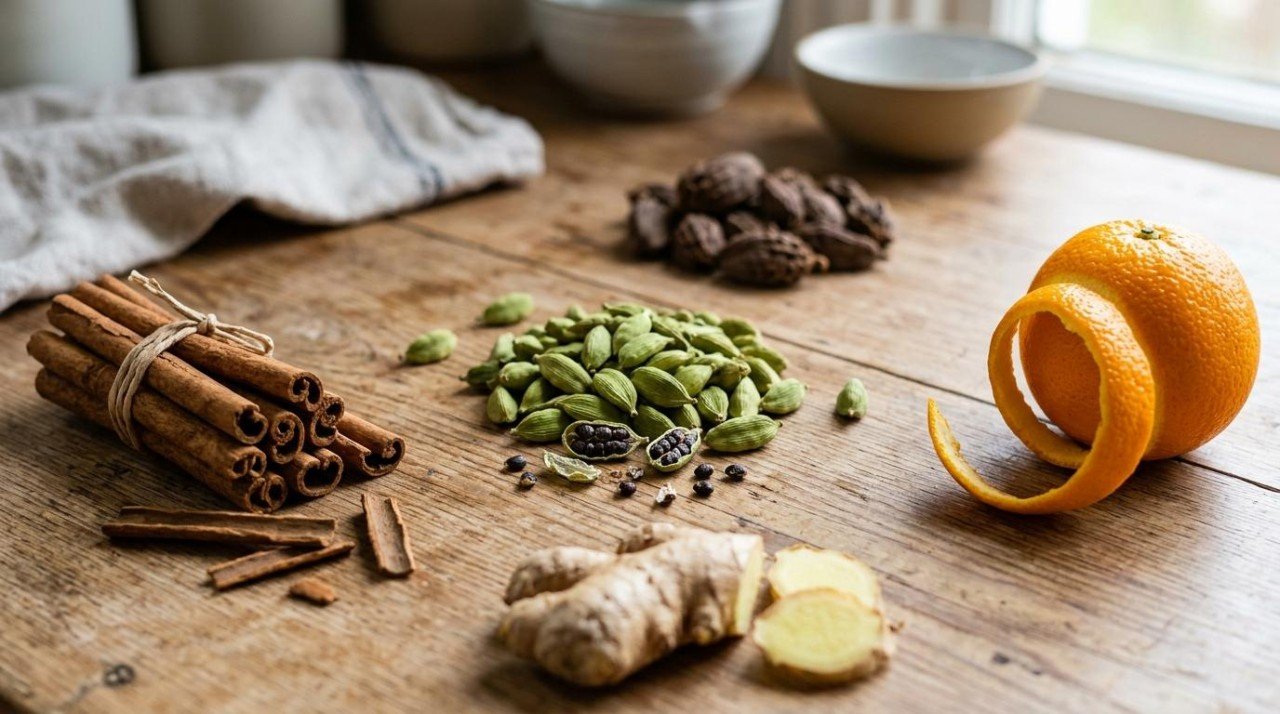
- Garam masala: It sounds like a natural swap, but most blends contain no turmeric at all. They're built on warm spices like cinnamon, cardamom, cloves and black pepper, add no yellow color, and are usually added at the end of cooking rather than the start. (The garam masala substitutes guide explains the blend.)
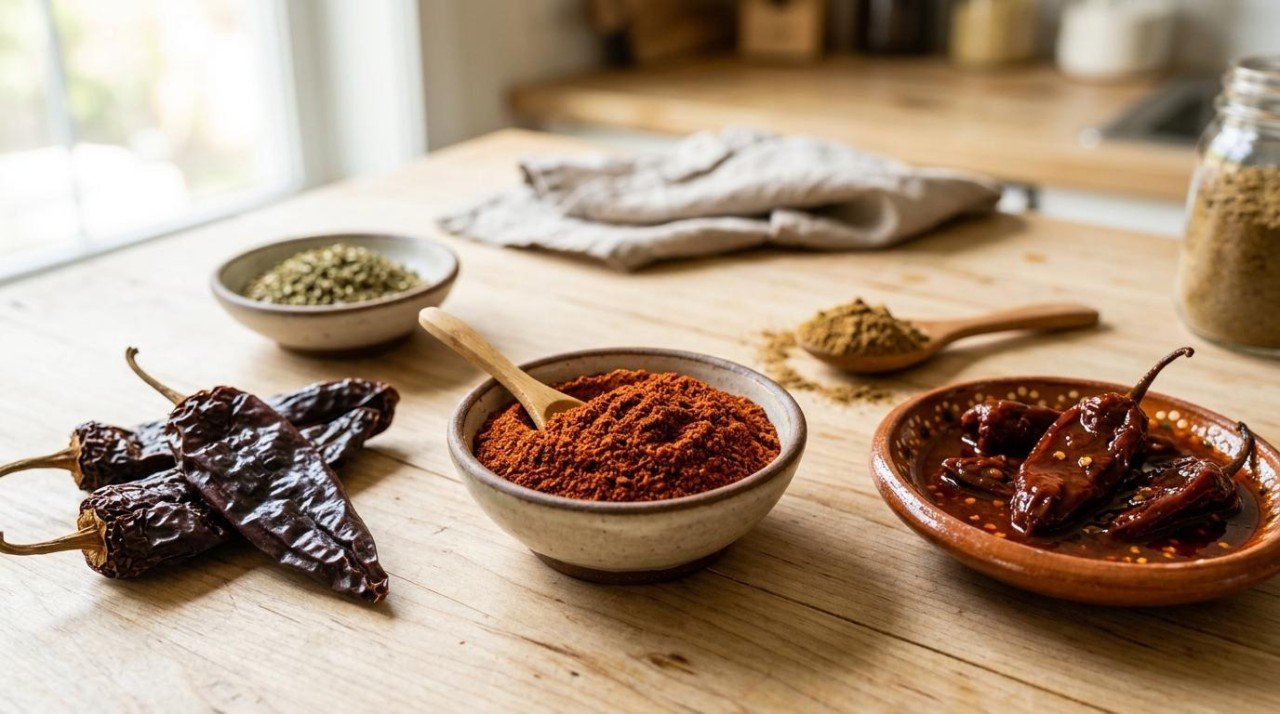
- A spoonful of smoked paprika: It will color the dish, but its smokiness takes over a curry or rice. Use sweet paprika instead.
- Yellow food coloring: It matches the color in frosting or a cake, but adds nothing else, and many cooks would rather avoid synthetic dyes in savory food when annatto, safflower and paprika do the job naturally.
- Opened curcumin capsules: Supplements are dosed for health use, often contain piperine or other absorption boosters, and are not a cooking ingredient. Leave them in the medicine cabinet.
- Doubling up on the substitute: Mustard powder, cumin and ginger are all stronger than turmeric. More of them doesn't make the dish more yellow, just more mustardy, cuminy or gingery.
Which Swap Fits Your Recipe?
The quick rule: for a curry or dal, use curry powder, the paprika and ginger blend, or just leave it out. For yellow rice and soups, use a color swap like annatto, safflower or saffron. For eggs, potatoes and cheese, reach for mustard. And for golden milk and anything you make specifically for curcumin, fresh turmeric root is the only real stand-in.
If you're not sure which camp your recipe falls into, save it to Eat Well Planner (you can import it from any recipe website, Instagram reel or YouTube video) and ask the AI recipe chat something like "I'm out of turmeric for this, what should I use?" It sees the whole ingredient list, so it can tell you whether curry powder will clash with your other spices or whether the dish has enough going on to skip it. And if you'd like to see what a spice-forward, vegetable-heavy version of your favorite curry would look like, the Make It Healthier tool suggests ingredient swaps and checks the actual nutrition gain before showing you each one.