The can of pumpkin is open, the eggs are whisked, and the recipe says "2 teaspoons pumpkin pie spice." The jar is either empty or was never there in the first place. It happens every fall, usually the night before Thanksgiving, when every store shelf is picked clean of the one blend everyone needs at once.
Here is the good news: pumpkin pie spice is not a special ingredient. It is a mix of ordinary baking spices, and if you have cinnamon plus one or two others, you can make something that tastes the same in a pie, a loaf of pumpkin bread or a homemade latte. If you only have cinnamon, you can still get close. The right swap depends on what is in your cabinet and what you are making, so every option below has a measured ratio and a note on where it works and where it falls short.
All ratios below replace 1 teaspoon of pumpkin pie spice. Scale up or down from there.
The Quick List
- DIY blend from ground spices — the real thing, made in a minute from cinnamon, ginger, nutmeg, allspice and cloves
- Apple pie spice — the closest store-bought swap, use it 1:1
- Cinnamon + nutmeg — the two-spice version almost everyone can make
- Cinnamon + ginger — warmer and a little spicier, great in pumpkin bread and cookies
- Chai spice — a 1:1 swap for lattes, oatmeal and quick breads, with a cardamom twist
- Allspice + cinnamon — allspice brings the nutmeg and clove notes in one jar
- Cinnamon alone — simpler, but it works in a pinch
- Garam masala — for savory pumpkin soup, roasted squash and sweet potatoes only
What Is Actually in Pumpkin Pie Spice?
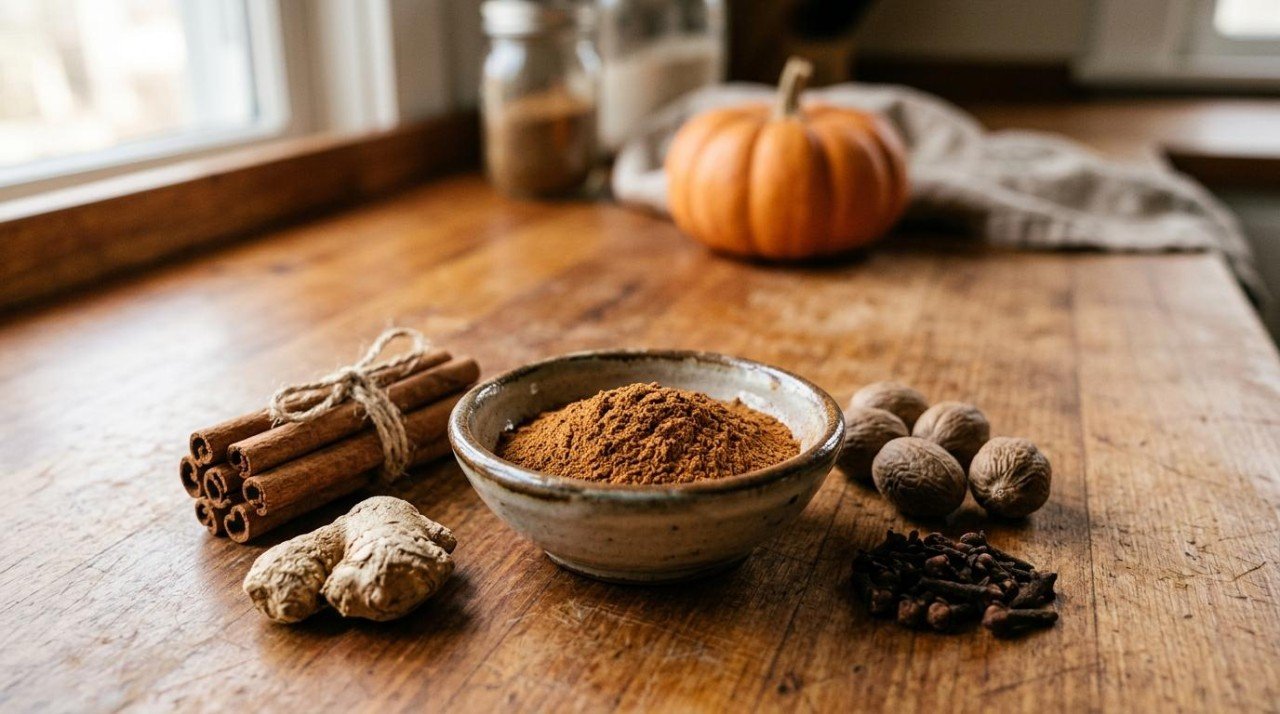
The blend has no pumpkin in it. It is named for the pie it was made to season. McCormick, the brand most Americans have in the cabinet, lists cinnamon, ginger, nutmeg and allspice as the spices in its blend. Many homemade recipes add cloves as a fifth spice. Cinnamon is always the base and makes up well over half the jar, with smaller amounts of the others for depth.
That tells you what a good substitute needs:
- Cinnamon as the main flavor. Without it, nothing on this list tastes like pumpkin spice.
- Something warm and sharp like ginger, for the slight bite.
- Something deep and woody like nutmeg, allspice or cloves, for the "holiday" note.
Cinnamon alone covers the first point. Every spice you add from the other two gets you closer to the real thing.
Match the Substitute to the Dish
- Pumpkin pie, sweet potato pie, custards — DIY blend, the recipe's original spices (see below), apple pie spice plus a pinch of ginger
- Pumpkin bread, muffins, cookies, spice cake — DIY blend, apple pie spice, cinnamon + ginger, allspice + cinnamon
- Lattes, hot cider, whipped cream, oatmeal — DIY blend, chai spice, cinnamon + nutmeg
- Pancakes, waffles, French toast, granola — any sweet option on the list, including cinnamon alone
- Pumpkin soup, roasted squash, sweet potatoes, chili — garam masala, cinnamon + ginger, or a small amount of the DIY blend
DIY Pumpkin Pie Spice Blend
- Swap: 1 teaspoon pumpkin pie spice → 3/4 teaspoon ground cinnamon + 1/8 teaspoon ground ginger + 1/8 teaspoon ground nutmeg, plus a tiny pinch of ground cloves or allspice if you have either
- Best for: Everything that calls for pumpkin pie spice: pies, breads, muffins, lattes, oatmeal, whipped cream
- Skip it for: Nothing. This is the blend itself
If you have ground cinnamon, ginger and nutmeg, you can make pumpkin pie spice in less time than it takes to preheat the oven. The small-batch version above makes exactly 1 teaspoon, follows the same cinnamon-heavy proportions as most homemade blends, and is easy to multiply. For 1 tablespoon, use 2 teaspoons cinnamon, 1/2 teaspoon ginger, 1/4 teaspoon nutmeg, 1/8 teaspoon allspice and 1/8 teaspoon cloves.
To fill a jar for the season, Bob's Red Mill's homemade blend is a reliable starting point: 3 tablespoons cinnamon, 2 teaspoons ginger, 2 teaspoons nutmeg, 1 teaspoon allspice and 1 teaspoon cloves, which makes about 5 tablespoons. Stir it well or shake it in a closed jar, since the spices settle at different rates. Missing one of the minor spices is fine. Without cloves, the blend is a little milder; without allspice, add a few extra pinches of nutmeg. Without cinnamon, though, you are making something else entirely.
The flavor tracks how fresh your spices are. A jar of nutmeg that has been open for three years adds much less than the label promises, so smell each spice before measuring and be a little more generous with any that seem faint. If you have a whole nutmeg, grate it fresh and use slightly less, since freshly grated nutmeg is stronger than the jarred kind. Our nutmeg substitutes guide has the full conversion if nutmeg is the spice you are missing.
Making Pumpkin Pie? Use the Spices the Recipe Was Built On
Many pumpkin pie recipes list the individual spices and mention pumpkin pie spice only as a shortcut. If yours calls for the blend, you can also work backward to the classic spice lineup. The original Libby's pumpkin pie, the recipe on the back of the can for decades, uses 1 teaspoon cinnamon, 1/2 teaspoon ginger and 1/4 teaspoon cloves and notes that 1 3/4 teaspoons of pumpkin pie spice can stand in for all three.
- Swap: 1 3/4 teaspoons pumpkin pie spice → 1 teaspoon ground cinnamon + 1/2 teaspoon ground ginger + 1/4 teaspoon ground cloves
- Best for: Any standard pumpkin or sweet potato pie that uses one 15-ounce can of pumpkin
- Skip it for: Lattes and whipped cream, where 1/4 teaspoon of cloves can taste sharp
This version is bolder on ginger and cloves than most jarred blends, which is a good thing in a pie with a lot of pumpkin and custard to season. If you want it closer to a store-bought blend, swap the cloves for 1/4 teaspoon of nutmeg or allspice. If you are also short on the pumpkin itself, our pumpkin puree substitutes guide covers butternut squash, sweet potato and the rest.
Apple Pie Spice
- Swap: 1 teaspoon pumpkin pie spice → 1 teaspoon apple pie spice, plus a pinch of ground ginger if you have it
- Best for: Pies, muffins, quick breads, cookies, baked oatmeal, pancakes
- Skip it for: Savory dishes, where the sweet cinnamon reads as dessert
Apple pie spice is pumpkin pie spice's closest relative. McCormick's version is cinnamon, nutmeg and allspice, the same lineup as its pumpkin blend minus the ginger. That missing ginger is the only real difference, and in a pie or a loaf of pumpkin bread, most people will not notice it is gone.
If you have ground ginger, add a small pinch per teaspoon of apple pie spice and you are almost exactly back to the real thing. Blends vary by brand, though, and some apple pie spice mixes include cardamom or cloves. Read the label: a blend with cardamom is still a good swap, just a slightly more floral one.
Cinnamon + Nutmeg
- Swap: 1 teaspoon pumpkin pie spice → 3/4 teaspoon ground cinnamon + 1/4 teaspoon ground nutmeg
- Best for: Lattes, whipped cream, eggnog, custards, oatmeal, French toast, pumpkin bread
- Skip it for: Nothing in particular, though gingerbread-style recipes lose some bite
These two spices are in almost every kitchen, and together they get you most of the way to pumpkin pie spice. Cinnamon brings the sweet warmth and nutmeg brings the cozy, eggnog-like depth. What is missing is the sharp edge from ginger and cloves, so the result tastes a little softer and rounder than the jarred blend.
That softness is actually an advantage in drinks and dairy. A pumpkin spice latte or a bowl of whipped cream made with cinnamon and nutmeg tastes smooth, with none of the slightly bitter clove note that strong blends can leave. In a pie, you may want to bump the spice up by a quarter teaspoon to make up for the missing bite.
Cinnamon + Ginger
- Swap: 1 teaspoon pumpkin pie spice → 3/4 teaspoon ground cinnamon + 1/4 teaspoon ground ginger
- Best for: Pumpkin bread, muffins, molasses and spice cookies, pumpkin pie, roasted squash
- Skip it for: Delicate custards and whipped cream, where ginger's heat stands out
If you have ginger but no nutmeg, this is the pair to use. It tastes brighter and spicier than the cinnamon-and-nutmeg version, closer to a gingerbread note than an eggnog one. In anything with molasses, brown sugar or a lot of pumpkin, that extra warmth works really well.
Use ground ginger, not fresh. Fresh ginger is juicy, citrusy and much stronger by volume, and it does not blend into a batter the same way. If you are cooking a savory dish and only have fresh ginger, our fresh ginger substitutes guide explains how the two convert.
Take the Guesswork Out of Eating Well
Eat Well Planner helps you organize your favorite recipes, plan balanced meals, and automatically generate shopping lists — all in one place. Whether you're tracking macros, managing dietary restrictions, or just trying to stop asking "what's for dinner?", we've got you covered.
Our AI-powered tools can adapt any recipe to your dietary needs, help you discover new meals you'll love, and even log your nutrition effortlessly. It's meal planning made simple.
Start Organizing Your Meals — FreeChai Spice
- Swap: 1 teaspoon pumpkin pie spice → 1 teaspoon chai spice blend
- Best for: Lattes, hot chocolate, oatmeal, overnight oats, muffins, quick breads, snickerdoodle-style cookies
- Skip it for: A traditional pumpkin pie if you want it to taste exactly like the classic
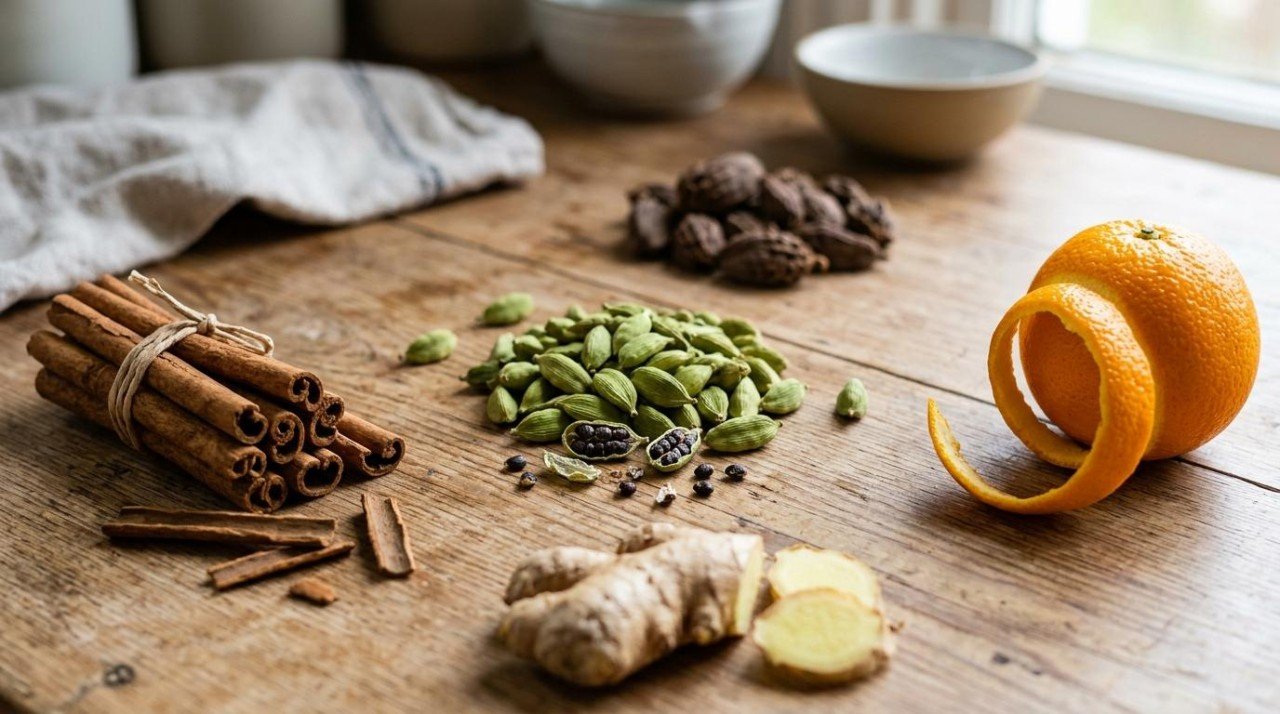
Chai spice blends share most of pumpkin pie spice's base. Typical mixes combine cinnamon, ginger and cloves with cardamom, and many add a pinch of black pepper or nutmeg. The cardamom is what you will notice: it adds a floral, slightly citrusy note that makes the swap taste more like a chai latte than a pumpkin one.
In drinks and breakfast food, that is a feature, not a bug. In a pumpkin pie, it is a pleasant twist rather than a match. Blends vary a lot, so taste yours first. If it is heavy on black pepper or cardamom, start with 3/4 teaspoon. If you have cardamom on its own and want to know where else it works, see our cardamom substitutes guide.
Allspice + Cinnamon
- Swap: 1 teaspoon pumpkin pie spice → 3/4 teaspoon ground cinnamon + 1/4 teaspoon ground allspice
- Best for: Pies, spice cakes, pumpkin bread, cookies, baked apples, roasted sweet potatoes
- Skip it for: Drinks and whipped cream if you are sensitive to clove-like flavors
Allspice is a single spice, the dried berry of a Caribbean tree, but it got its name because it tastes like a mix of cinnamon, nutmeg and cloves. That makes it a useful shortcut: one jar covers both the "deep" spices in the blend. Paired with cinnamon, it tastes surprisingly close to the jarred blend, missing only ginger's bite.
Allspice is strong, so do not go past 1/4 teaspoon per teaspoon of blend. If you have allspice but no cinnamon, you can use 1/2 teaspoon of allspice alone, but expect the result to taste more like a spice cake than a pumpkin pie.
Cinnamon Alone
- Swap: 1 teaspoon pumpkin pie spice → 3/4 teaspoon ground cinnamon, up to 1 teaspoon to taste
- Best for: Muffins, pancakes, oatmeal, French toast, granola, quick breads
- Skip it for: Pumpkin pie if you have even one other warm spice, since the blend adds a lot to the custard
Cinnamon is the backbone of pumpkin pie spice, so it is the one spice you cannot skip and the one that does the most on its own. The result will taste warm and sweet but flatter than the blend: more "cinnamon muffin" than "pumpkin spice." That is perfectly fine in pancakes or oatmeal, where cinnamon is the main point anyway.
Starting at 3/4 teaspoon keeps the cinnamon from taking over, since it is doing the work of four spices alone. Taste the batter or filling (if it contains raw egg, skip the tasting and trust the ratio) and add the last 1/4 teaspoon if it seems faint. A splash of vanilla extract can help round out the flavor, though it does not replace any of the missing spices.
Garam Masala (Savory Dishes Only)
- Swap: 1 teaspoon pumpkin pie spice → 1/2 teaspoon garam masala, then taste and add more if needed
- Best for: Pumpkin and butternut squash soup, roasted squash and sweet potatoes, lentil and pumpkin curries, chili
- Skip it for: Pies, lattes, whipped cream and any dessert
Pumpkin pie spice shows up in more savory recipes than you might expect: a pinch in pumpkin soup, a dusting on roasted squash, a spoonful in a pot of chili. In these dishes, garam masala is often a better choice than the original. Its cinnamon, cardamom and cloves give the same warmth, while its cumin, coriander and black pepper make it taste savory rather than sweet.
That savory side is exactly why it does not belong in desserts. Cumin in a pumpkin pie is not a pleasant surprise. Use half the amount, since garam masala is more concentrated, and stir it in near the end of cooking to keep its aroma. If you are out of garam masala, too, our garam masala substitutes guide has a quick blend.
Pumpkin Spice in Drinks: A Quick Tip
Ground spices do not dissolve. Stir a teaspoon of any blend straight into a latte or cider and some of it ends up as sludge at the bottom of the mug. Two easy fixes work with every substitute on this list:
- Warm it with the milk or sweetener first. Whisk the spices into the milk while it heats, or stir them into the syrup, maple or honey before adding coffee. The fat and heat carry the flavor through the drink.
- Use less than you think. 1/4 to 1/2 teaspoon per mug is plenty. Most of what makes a café pumpkin spice latte taste strong is sugar, not spice.
For whipped cream, add the spice along with any sweetener before whipping so it disperses evenly. About 1/2 teaspoon of blend per cup of cream is a good starting point.
What About the Health Side?
Swapping one warm spice for another will not meaningfully change the nutrition of a pie or a loaf of bread. A teaspoon of pumpkin pie spice has only a handful of calories, and plain ground spices are essentially free of sodium and sugar. A few things are still worth knowing.
- Check the label on blends. Single spices are just spices. Most jarred pumpkin pie, apple pie and chai blends are too, but some chai and "pumpkin spice" mixes sold for drinks include sugar, milk powder or flavoring. The DIY blend avoids that entirely.
- A lot of cinnamon every day is worth a second look. Most cinnamon sold in the US is cassia, which contains coumarin, a compound that can harm the liver in large amounts over time. Germany's Federal Institute for Risk Assessment (BfR) estimates that a 60-kilogram (132-pound) adult reaches the tolerable daily intake with about 2 grams of cassia cinnamon a day, and a 15-kilogram (33-pound) child with about 0.5 grams. For scale, a teaspoon of ground cinnamon weighs roughly 2.5 grams. A slice of pie or a pumpkin muffin is nowhere near that, and BfR notes short-term exceedances pose no health risk. But if you are stirring a heaping spoonful of cinnamon into your coffee and oatmeal every day all season, Ceylon cinnamon, which BfR says contains only low levels of coumarin, is the safer pick.
- Do not double up to compensate. If a substitute seems weak, add a little at a time. Nutmeg in particular becomes toxic in large amounts, which our nutmeg guide covers in more detail.
Some wellness sites credit pumpkin spice with everything from blood sugar control to brain health. Most of that research uses concentrated extracts, not the teaspoon that goes into a pie. For an honest look at which spice claims hold up, see Is Your Spice Rack a Medicine Cabinet?
A Healthier Way to Use Your Substitute
The real health opportunity with pumpkin spice is not which blend you use. It is that warm spices let you use less sugar without the result tasting flat. Cinnamon, nutmeg and ginger make food taste sweeter and richer than it is, so a well-spiced pie or muffin can lose a good share of its sugar and still taste like a treat.
That is exactly what happened in our healthier pumpkin pie makeover: the sugar was cut in half and the cinnamon, ginger, cloves, nutmeg and vanilla were raised to make up for it, taking added sugar from about 21 grams per slice to about 9. Our healthier apple pie pushed the idea further, cutting the filling sugar from 1 cup to 1/4 cup and raising the cinnamon from 1 to 2 1/2 teaspoons, and the banana bread and baked oats makeovers lean on cinnamon the same way. Next time you make your DIY blend, try reducing the sugar in the recipe by a quarter and adding an extra 1/2 teaspoon of spice. In a well-spiced bake, it rarely tastes like anything is missing.
Pumpkin spice is also a great way to make plain foods more appealing. A pinch on plain yogurt, oatmeal or roasted sweet potatoes adds flavor that might otherwise come from brown sugar or syrup.
What Not to Use
- Chinese five-spice powder: It contains cinnamon and cloves, but the star anise and fennel give it a strong licorice flavor, and some versions include Sichuan pepper. Great in braised pork, odd in pumpkin pie.
- Garam masala or curry powder in desserts: The cumin, coriander and pepper (and turmeric in curry powder) make them savory blends.
- Cloves on their own: They are far too strong to stand in for a cinnamon-based blend. Even 1/4 teaspoon of cloves alone will make a pie taste medicinal.
- Fresh ginger in baking: It is wetter and much stronger than ground ginger, and it does not distribute evenly through a batter.
- Pumpkin spice syrup or creamer: They add mostly sugar and flavoring, and they add liquid that will throw off a pie or batter.
- Pumpkin pie filling (the canned kind): It does contain the spices, but it also contains sugar, and it is a replacement for pumpkin plus sugar plus spice, not for the spice alone.
Which Pumpkin Pie Spice Substitute Should You Use?
If you have cinnamon, ginger and nutmeg, make the DIY blend: 3/4 teaspoon cinnamon plus 1/8 teaspoon each of ginger and nutmeg per teaspoon, with a pinch of cloves or allspice if you have it. For a classic pumpkin pie, go back to the Libby's trio of cinnamon, ginger and cloves. If you have apple pie spice, use it 1:1. If you only have two spices, cinnamon plus nutmeg is best for drinks and custards, and cinnamon plus ginger is best for breads and cookies. Chai spice works in lattes and breakfast foods, cinnamon alone works in a pinch, and garam masala is the pick for savory soups and roasted squash.
If you are not sure which one fits the recipe in front of you, Eat Well Planner's AI recipe chat can help. Ask "I'm out of pumpkin pie spice, what should I use in this?" and it answers with your recipe in context, including which spices it already calls for, so it will not suggest adding more cinnamon to a recipe that already has a tablespoon. And if you want to try the less-sugar, more-spice approach on your own favorite recipe, Make It Healthier suggests swaps like that and checks what each one actually does to the nutrition score before you commit.