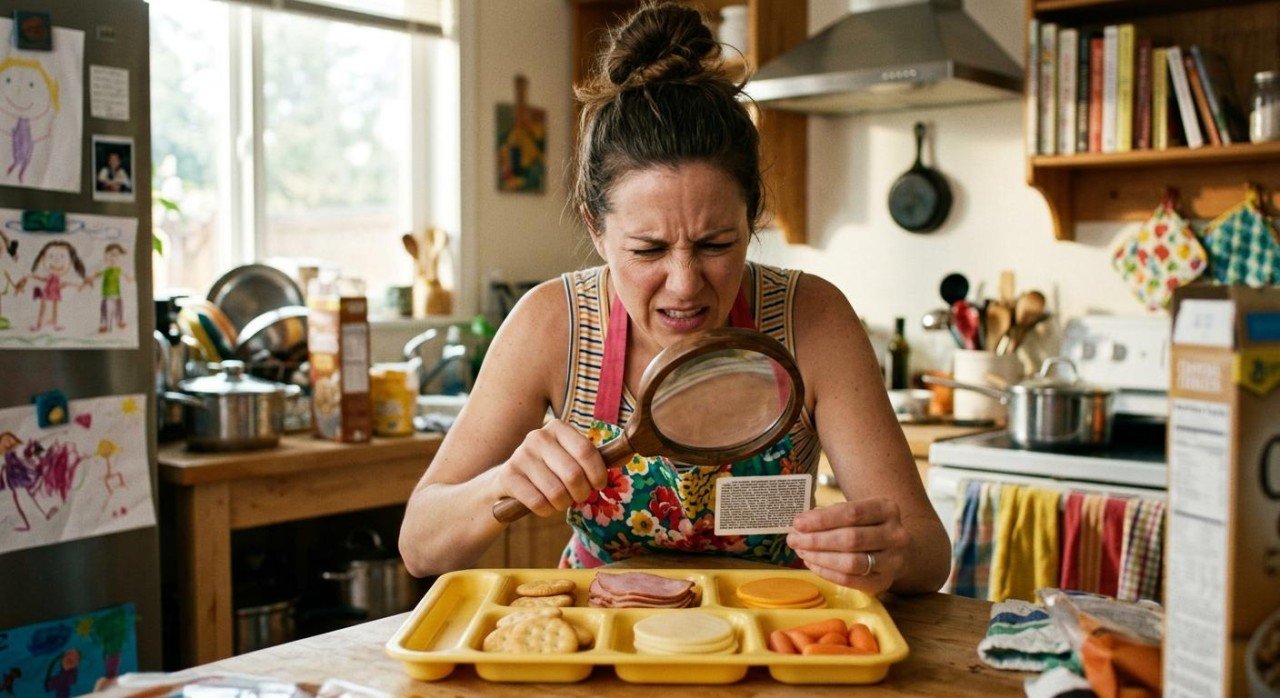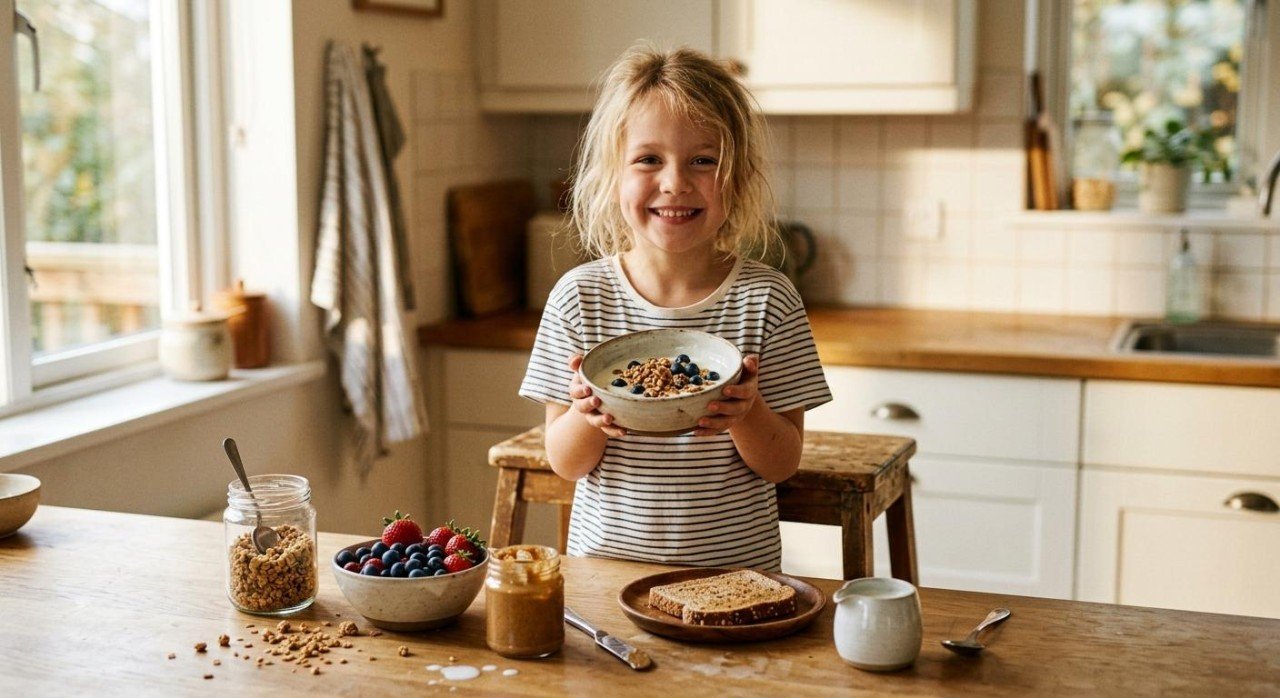
There are few things that make a parent feel more helpless than a sick child pushing their plate away. The cold, the stomach bug, the fever that came out of nowhere at 2 a.m. — and now they won't touch the food you made, and your brain starts spinning: Are they getting enough? Should I make them eat? Is this the part where I should worry?
Here's the reassuring truth most pediatricians want you to hear: when a child is sick, eating is not the priority. Drinking is. A few days of barely eating is usually completely fine as long as your child keeps taking in fluids. The job in front of you isn't to get calories in — it's to keep them hydrated, keep them comfortable, and offer gentle foods they can manage without pressure. This guide walks through exactly how to do that, what the modern advice actually is (spoiler: the old BRAT diet has been quietly retired), and the specific red flags that mean it's time to call the doctor.
Fluids First: Hydration Is the Real Job
Whatever the illness — a stomach bug, a fever, a sore throat that makes swallowing miserable — the single most important thing you can do is keep fluids going in. Fever alone makes children lose water faster, and vomiting or diarrhea speeds that loss up dramatically. Food can wait a few days. Fluids can't.
For a child who is vomiting or has diarrhea, the American Academy of Pediatrics recommends oral rehydration solutions (the kind sold as Pedialyte and similar) as the gold standard, because they replace not just water but the electrolytes — sodium, potassium, and bicarbonate — that get flushed out. The AAP's age-based guidance is worth memorizing:
- Under 1 year: Stick to undiluted breast milk or formula, or a commercial rehydration solution. The AAP specifically says do not use water for babies this young — their kidneys can't handle it, and plain water can dangerously dilute their sodium levels.
- 1 year and older: Commercial oral rehydration solutions (including the popsicle versions, which a lot of kids accept more willingly), or diluted apple juice or a sports drink mixed half-and-half with water.
The trick that works when a queasy stomach rejects a full cup: offer small amounts, frequently. A few sips every few minutes is far gentler than a big glass that comes right back up. Popsicles and ice chips count, and they often go down easier than a drink.
One important caution: plain water, sodas, chicken broth, and full-strength juice shouldn't replace a rehydration solution during a stomach illness. As an American Academy of Family Physicians review explains, these are "hyperosmolar and do not adequately replace potassium, bicarbonate, and sodium," and water and apple juice in particular "can cause hyponatremia" — a drop in blood sodium. Sugary sports drinks at full strength can also make diarrhea worse. The point isn't that these drinks are forbidden; it's that they shouldn't be the main rehydration tool when a child is actively losing fluids.
How to Spot Dehydration (and When It's an Emergency)
Because hydration is the whole game, knowing what dehydration looks like is the most useful skill a parent can have during an illness. According to Nemours KidsHealth, the signs to watch for include:
- A dry or sticky mouth
- Few or no tears when crying
- Eyes that look sunken
- In babies, a sunken soft spot (fontanelle) on top of the head
- Darker urine, peeing less often, or fewer wet diapers than usual
- Crankiness, drowsiness, or dizziness
- A rapid heartbeat
Urine output is the easiest signal to track at home. For infants, the AAP flags fewer than six wet diapers a day as a warning sign. For older kids, a long stretch with no trip to the bathroom and dark, concentrated urine tells you the same thing.
Call your pediatrician — or head to the ER — if your child won't drink anything for several hours, if a baby under 1 has gone without breast milk or formula for 24 hours, if vomiting keeps up all day, or if the dehydration signs aren't improving. KidsHealth is blunt about the true emergency: "Go to the ER if your child is very sleepy or isn't responding to you." Extreme lethargy and unresponsiveness are never something to wait out.
The BRAT Diet Has Been Retired
If you grew up being handed bananas, rice, applesauce, and toast every time your stomach turned, you're not alone — BRAT was the standard advice for decades. But it's no longer what experts recommend, and it's worth understanding why.
Cleveland Clinic puts it plainly: the BRAT diet "is no longer recommended." The problem isn't that those foods are bad — it's that they're too limited. They lack "vital nutrients like calcium, vitamin B12, protein, and fiber," and sticking to them for more than a day "may even slow down your child's recovery." The American Academy of Pediatrics moved away from BRAT back in the late 1990s for exactly this reason: a recovering gut actually heals faster with real, varied nutrition than with a handful of bland starches.
The modern approach is refreshingly simple. Once a child is rehydrated, get them back to a normal, age-appropriate diet as tolerated — usually within about 24 hours of the illness starting. The AAFP gastroenteritis review is emphatic: "A child with minimal or no dehydration should be encouraged to continue his or her usual diet," and "many studies have shown that a child's regular diet reduces the duration of diarrhea." In other words, normal food doesn't just keep them nourished — it can actually shorten how long they're sick.
That doesn't mean forcing a big meal on a queasy kid. It means offering ordinary foods — including ones with some protein, fat, and fiber — rather than rationing them down to four bland items. Think soft scrambled eggs, brothy soup, yogurt, oatmeal, well-cooked vegetables, pasta, or skinless chicken, in small amounts, whenever they show interest.
Gentle Foods for Specific Symptoms
Different illnesses call for slightly different comfort foods. Here's what tends to work when a particular symptom is front and center.
For Upset Stomachs and Stomach Bugs
After the vomiting settles, start small and bland, then expand as their stomach allows. Good first foods include crackers, plain toast, rice, bananas, applesauce, oatmeal, and brothy soups. These are the same foods that made up the old BRAT list — the difference now is that you treat them as a starting point for the first few hours, not a menu you're stuck on for days. As their appetite returns, layer in yogurt, eggs, soft-cooked vegetables, and lean proteins. Keep portions tiny and frequent rather than three full meals.
For Sore Throats
When swallowing hurts, temperature and texture matter more than anything. Cool, soft, smooth foods are easiest: yogurt, smoothies, applesauce, mashed potatoes, mashed banana, scrambled eggs, ice pops, and even a little ice cream. Cold can actually be soothing on an inflamed throat, while scratchy or crunchy foods like toast and chips tend to make it worse. Warm (not hot) broth and soup are comforting too.
For children over 1 year old, honey is a genuinely evidence-backed remedy for the cough and throat irritation that often come with a cold. A 2023 systematic review found "low quality evidence that honey may be more effective than cough medication or placebo/no treatment in relieving symptoms and improving sleep," and the AAFP notes that "honey may represent a safe alternative to soothe cough in children older than one year." A half-teaspoon to a teaspoon, on its own or stirred into warm water, is the usual amount. The one absolute rule: never give honey to a baby under 12 months, because of the risk of infant botulism.
For Fevers and Just Feeling Awful
A feverish child often simply doesn't feel like eating, and that's okay. The AAP reminds parents that fever is the body's response to fighting infection, not the illness itself, and that "the most important things you can do is to make sure they get enough fluid, so they do not get dehydrated." Focus on cool fluids in generous amounts — they help with hydration and can take the edge off a high temperature. If your child wants food, offer easy, comforting things: soup, fruit, yogurt, a smoothie. If they don't, don't push it. Comfort, not calorie counting, is the goal.
Keeping Sick-Day Staples Within Reach
The hardest part of feeding a sick kid usually isn't knowing what to offer — it's that illness never strikes when you're stocked and rested. It's the unplanned 9 p.m. fever, the empty pantry, and the realization that you're out of crackers, popsicles, and the one soup they'll actually eat. When you're exhausted and improvising, it's all too easy to end up reaching for whatever ultra-processed convenience food is on hand simply because there's nothing gentler in the house.
A little planning ahead removes most of that stress. Keeping a small list of sick-day basics — oral rehydration solution or popsicles, bananas, applesauce, oats, broth, plain crackers, eggs, yogurt, and honey (for the over-1 crowd) — means you're never caught completely flat-footed. This is exactly the kind of low-effort planning that Eat Well Planner is built to make automatic. You can save your family's go-to gentle recipes — the congee, the brothy chicken soup, the smoothie your kid never refuses — in one organized recipe book, and the app rolls the ingredients into a shopping list so those comfort-food staples quietly land in your cart on a normal week, well before anyone gets sick. When you set up a profile for each child, the meal planning adapts to their needs, so the recovery foods you rely on are always a tap away instead of a frantic search.
Take the Guesswork Out of Eating Well
Eat Well Planner helps you organize your favorite recipes, plan balanced meals, and automatically generate shopping lists — all in one place. Whether you're tracking macros, managing dietary restrictions, or just trying to stop asking "what's for dinner?", we've got you covered.
Our AI-powered tools can adapt any recipe to your dietary needs, help you discover new meals you'll love, and even log your nutrition effortlessly. It's meal planning made simple.
Start Organizing Your Meals — FreeWhen a Few Days of Barely Eating Is Okay
This is the part that keeps parents up at night, so let's be clear: a short stretch of poor appetite during an illness is normal and expected. A sick child's digestive system is busy fighting the infection, and appetite naturally dips — it's not a sign that something is going wrong. As long as they're drinking enough to stay hydrated and making wet diapers or regular trips to the bathroom, their interest in solid food will come back on its own as they recover.
It's genuinely common for a child to eat very little for several days and then take a week or two to return to their usual appetite once they're better. You don't need to bribe, force, or coax. Pushing food on a child who feels sick tends to backfire — it can trigger more nausea and turn mealtimes into a battle. Offer gentle options, follow their lead, and trust that a well-hydrated child is doing fine even on a few bites a day.
Red Flags: When to Call the Doctor
Most childhood illnesses run their course at home. But some signs mean it's time to stop watching and start calling. Reach out to your pediatrician — or seek urgent care — if your child shows any of the following:
- Signs of dehydration that aren't improving: no urination for many hours, no tears, dry mouth, sunken eyes, or a sunken soft spot in a baby.
- Won't drink anything for several hours, or a baby under 1 who hasn't taken breast milk or formula in 24 hours.
- Vomiting that won't stop all day, or vomit that is bright green, red, or brown.
- Extreme sleepiness, floppiness, or unresponsiveness — per KidsHealth, a very sleepy child who isn't responding to you is an ER situation.
- A fever in a very young baby: the AAP advises calling right away for any fever of 100.4°F (38°C) or higher in an infant under 3 months.
- Hasn't returned to eating any solid food within 3 to 4 days, or a noticeable appetite change that drags on well beyond the illness.
- Trouble breathing, a stiff neck, a spreading rash, severe pain, or a fever that climbs and won't come down — or simply a child who looks much sicker than a routine bug.
You know your child better than any checklist. If something feels off, calling your pediatrician is always reasonable — that's what they're there for.
Easing Back to Normal Eating
As the worst passes and your child perks up, resist the urge to celebrate with a giant meal. A gut that's been through a stomach bug or several days of low intake does best with a gradual return. Start with the gentle foods they tolerated, then steadily reintroduce their normal diet over a day or two — adding back protein, fat, and fiber as their appetite rebuilds. Smaller, more frequent meals are easier on a recovering stomach than three big ones.
Expect appetite to lag behind energy. A child can be bouncing around the living room again while still eating noticeably less than usual for a week or more, and that's perfectly normal. Keep offering balanced, nutrient-dense foods without pressure, keep fluids flowing, and let their body set the pace. Before long, the plate-pushing will be a memory and they'll be back to clearing their dinner — and asking for seconds.
Feeding a sick child is really an exercise in doing less, not more: fewer worries about calories, less pressure at the table, and a steady focus on the one thing that matters most — keeping them hydrated and comfortable while their body does the healing.
Try organizing your family's meals — and your sick-day staples — with Eat Well Planner, so the gentle recipes and simple ingredients you rely on are always planned, shopped for, and ready before you need them.