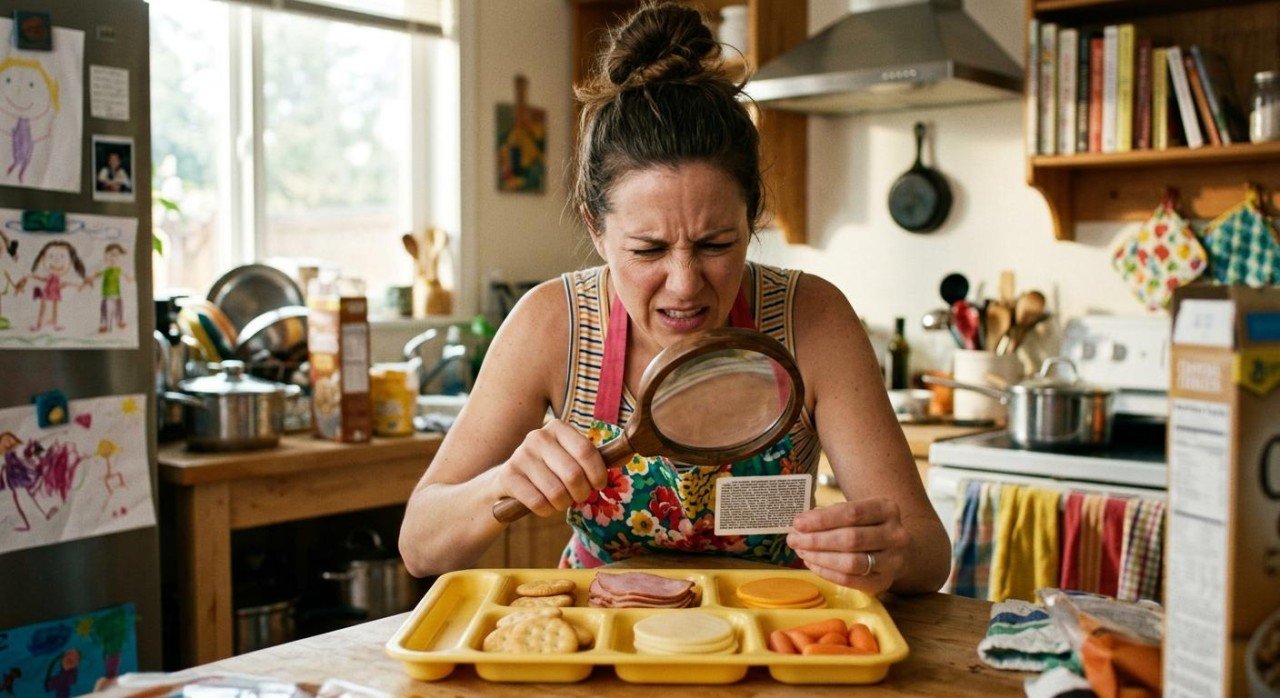
You spent ten minutes you didn't have packing a lunch you were quietly proud of. It comes home at 3 p.m. with the sandwich missing one corner-shaped bite, the carrots untouched, and the cookie — somehow — gone without a trace. If you've ever opened a lunchbox at the end of the day and felt that small sting of "why do I bother," you are in very large company.
Here's the encouraging part: the lunchbox that comes home empty isn't a mystery, and it isn't a verdict on your cooking. Kids eat the foods that are easy, familiar, and a little bit fun, in an environment that gives them roughly fifteen rushed minutes and a hundred distractions. Once you build lunches around how kids actually behave at noon — rather than how you wish they would — the untouched-lunch problem gets a lot smaller. Let's break down a formula that works, the variety that keeps it from getting boring, the no-heat foods that survive until lunchtime, and the realities of allergy-aware schools and time-strapped mornings.
The Untouched Lunch Is Costing More Than You Think
It's not just your kid. When researchers actually weighed what came back in the box, the waste was striking. In a study of 118 packed lunches from a third-grade class on Long Island, children ate only about two-thirds of the solid food sent with them — roughly a third of every packed lunch went uneaten. Tellingly, the one thing that reliably did get finished was the sugar-sweetened drink, polished off in nearly 95% of the lunches that contained one, while the more nutritious solids were the items left behind.
Schools in general are tough rooms for food. A study comparing U.S. cafeterias with those abroad found plate waste running anywhere from 27% to 53%, higher than in countries like Sweden, Italy, and Spain — and fruits and vegetables made up more than half of what kids threw away. That tracks with what's on the plate to begin with: the same packed-lunch study found fresh fruits and vegetables were largely absent from the boxes in the first place, aside from the occasional applesauce cup.
This matters because the gap is already wide. According to CDC data, 60% of children aged 1 to 18 don't meet recommendations for fruit, and a sobering 93% fall short on vegetables. Lunch is a third of the eating day. A box that comes home full isn't just wasted money and effort — it's a missed chance at the produce most kids aren't getting anyway. The goal of a good packed lunch, then, is simple to state and harder to pull off: food that's nutritious and actually eaten.
A Simple Formula That Travels Well
The fastest way to stop staring into the fridge every morning is to stop improvising. Build every lunch from the same four-part template, then swap the specifics:
- A protein to keep them full through the afternoon — rotisserie chicken, turkey roll-ups, hard-boiled eggs, cheese, beans, hummus, Greek yogurt, or a nut/seed butter where allowed.
- A produce pick (or two) — cucumber coins, bell pepper strips, cherry tomatoes, snap peas, grapes, berries, apple or clementine segments, baby carrots.
- A whole-grain carb for steady energy — whole-wheat bread or wrap, whole-grain crackers, brown-rice or pasta salad, oat-based muffins.
- Something fun — a couple of squares of dark chocolate, popcorn, a small cookie, a few pretzels. Not a bribe, not contraband. A normal, pleasant part of the meal.
That last category trips parents up, but it earns its place. A lunch with a small treat in it doesn't feel like a punishment to a seven-year-old surrounded by friends trading snacks, which is precisely why it's less likely to get swapped or skipped. The aim isn't a "perfect" lunch — it's a balanced one your kid will choose to eat instead of the chips a classmate is offering.
One practical tweak from the research: if your child reliably drains a juice box and leaves everything else, the drink may be doing the filling-up. Water or milk alongside the food, rather than a sweet drink that crowds out the rest, gives the produce and protein a fighting chance.
Fight Boredom With Variety — Bento-Style
Adults eat the same desk lunch for a week without blinking. Kids don't. The single fastest route to an untouched box is monotony, and this is where the bento-style lunch — a divided container with several small compartments — quietly solves two problems at once.
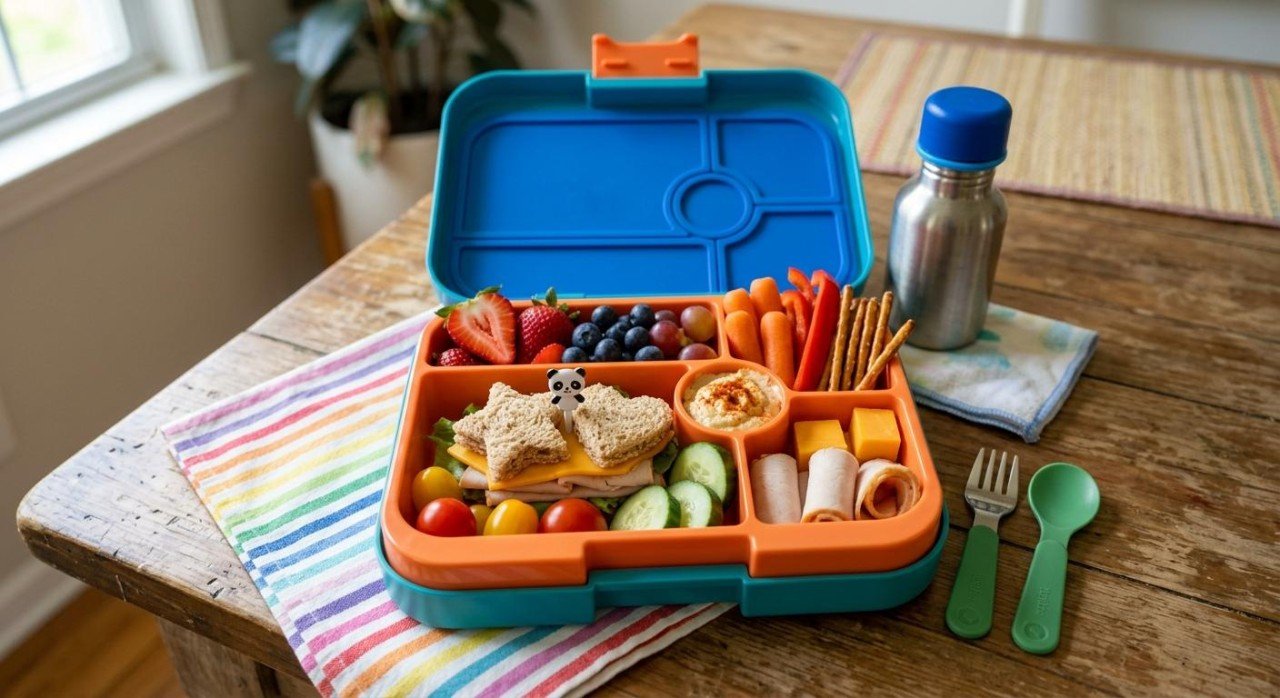
First, small portions in lots of compartments look like abundance and choice, even when it's the same total amount of food. A child who balks at a full sandwich will happily graze a "snack board" of a few crackers, a few cheese cubes, some cucumber, a couple of strawberries, and a few pretzels. Second, the format makes variety almost effortless: you're filling slots, so you can rotate one or two items without rethinking the whole meal. Monday's turkey-and-cheese becomes Wednesday's hummus-and-pita becomes Friday's yogurt-and-granola, with the fruit and veg slots shuffling underneath.
Variety also does something deeper than fight boredom — it's how kids learn to like new foods. Picky eating isn't stubbornness; it's developmental, and the way through it is exposure. A systematic review of young children found that repeatedly offering a food — often eight to ten times or more — increases how readily a child will accept it, though some kids come around faster and some may simply never love a particular food. The lunchbox is a perfect, low-pressure exposure machine. Keep tucking two slices of red pepper in beside the foods they already eat. Even if it comes home today, it's not a failure — it's exposure number four, and you're playing a long game.
No-Heat Ideas That Survive Until Lunchtime
School lunches usually sit for three to five hours with no fridge and no microwave, which rules out anything that needs reheating and quietly raises a food-safety question most of us don't think about. Perishable food shouldn't linger in the "danger zone." University of Nebraska food-safety guidance puts it plainly: bacteria multiply rapidly when food sits between 40°F and 140°F for more than two hours (one hour if it's above 90°F), so perishable items like deli meat, eggs, yogurt, and cut fruit need to be kept cold with an insulated container and a gel freezer pack — ideally two cold sources — and packed straight from the refrigerator.
A few combinations make this easy and still taste good cold by noon:
- Wraps and pinwheels — a whole-wheat tortilla with cream cheese or hummus, turkey or beans, and shredded veg, rolled and sliced into spirals that feel more fun than a sandwich.
- Snack-board lunches — the bento board above: crackers, cheese, a protein, fruit, veg, and a small treat. No assembly required at school.
- Pasta or grain salads — whole-grain pasta or brown rice with chopped veg and a little dressing, genuinely better cold and forgiving of a long morning.
- Mason-jar yogurt parfaits — Greek yogurt layered with berries and granola (pack the granola separately if you want crunch).
- A thermos of something warm — for the kid who wants hot food, a thermos works if you preheat it first. Fill it with boiling water for a few minutes, dump it, then add piping-hot soup, chili, or pasta so it stays in the safe zone until lunch.
The Allergy-Aware Reality
If your child's classroom or school is nut-free, that's not bureaucratic fussiness — it's a response to a real and growing risk. The CDC estimates that about 1 in 13 children (roughly 8%, or two students in a typical classroom) has a food allergy, and that two in five of those children have already been treated in an emergency room for a reaction. For the kids involved, a shared table is a genuine hazard, and the most common allergens — peanuts, tree nuts, milk, eggs — show up constantly in lunch fare.
Working within those rules takes a little planning but isn't hard. If nut butters are off the table, sunflower-seed butter spreads and tastes similar; cream cheese, hummus, and bean dips fill the same sandwich role. Label your child's container if the school asks. And it's worth a low-key conversation at home about not sharing or trading food — partly to protect a classmate who could have a serious reaction, and partly so the lunch you packed is the lunch your kid actually eats. This is exactly where a saved, repeatable set of allergy-friendly lunches earns its keep: once you've worked out a handful that fit the school's rules, you're not re-solving the problem every Sunday night.
Get Them In On It
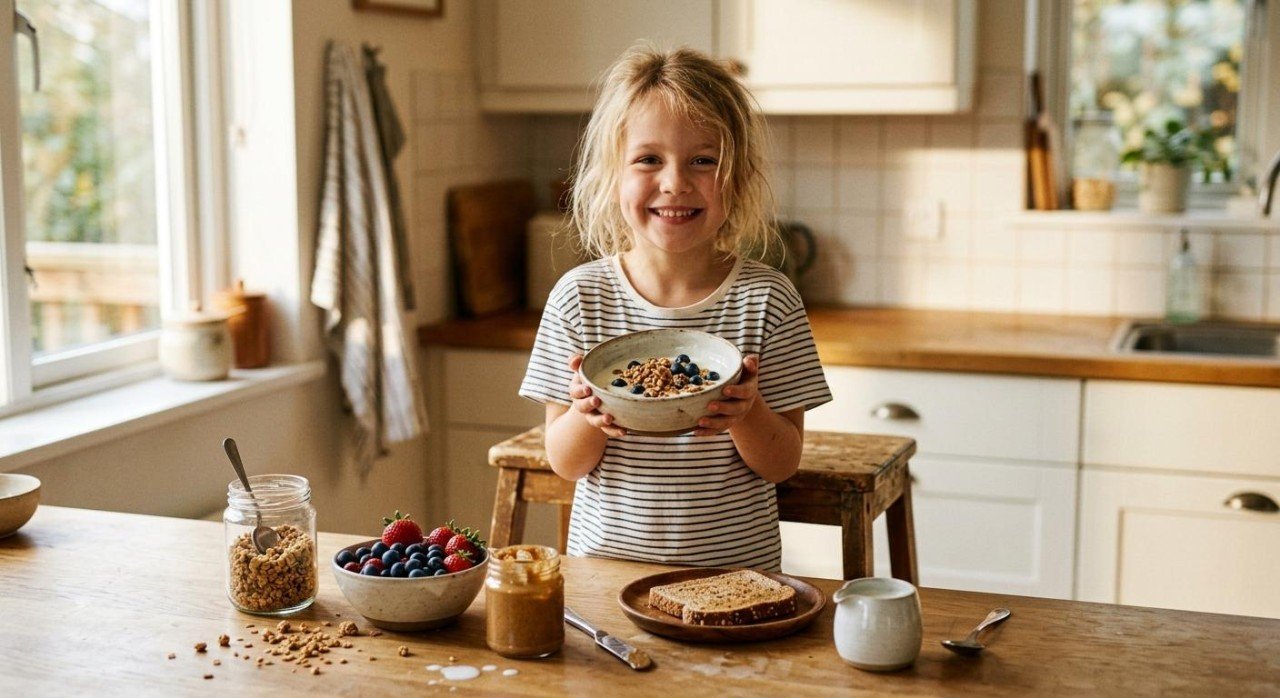
Here's the highest-leverage move of all, and it costs nothing: let your kid help build the lunch. The "I made it, so I'll eat it" effect is real and measurable. In a controlled study of 47 children aged 6 to 10, the ones who helped prepare a meal ate about 76% more salad and took in more of the meal overall than kids whose food was made for them — and they reported feeling more positive and more in control afterward.
You don't need a cooking project. You need small, real choices and small, real jobs:
- Offer a bounded choice: "Grapes or clementine? Cucumbers or peppers?" Two good options, either of which you're happy to pack.
- Let them assemble the bento compartments, wash the fruit, or spread the hummus the night before.
- Keep a short, visible list of "lunch foods we like" on the fridge that they helped write — and add to it whenever something gets eaten.
- Pack the night before, together, so the morning is just grab-and-go. A lunch built at 7 p.m. with a calm kid beats one thrown together at 7 a.m. with a frantic one.
A child who picked the fruit and packed the box has a small stake in it. That stake is often the difference between a lunch that gets eaten and one that gets traded for a friend's fruit snacks.
Take the Guesswork Out of Eating Well
Eat Well Planner helps you organize your favorite recipes, plan balanced meals, and automatically generate shopping lists — all in one place. Whether you're tracking macros, managing dietary restrictions, or just trying to stop asking "what's for dinner?", we've got you covered.
Our AI-powered tools can adapt any recipe to your dietary needs, help you discover new meals you'll love, and even log your nutrition effortlessly. It's meal planning made simple.
Start Organizing Your Meals — FreeWhere Eat Well Planner Fits
The honest reason lunches go sideways isn't that parents don't know what a balanced box looks like — it's that figuring it out fresh at 6:45 a.m., five days a week, while also making breakfast and finding someone's other shoe, is a tax no one can pay reliably. The fix isn't more willpower in the morning. It's deciding once and building a rotation, so the morning is pure assembly.
That's the gap Eat Well Planner is built to close. You can save the kinds of no-heat, kid-friendly lunches above — importing them straight from a website, an Instagram reel, or a YouTube video — into one searchable recipe book, then have the app plan a full week of lunches at once instead of improvising daily. It builds the shopping list automatically, so the grapes, the whole-grain wraps, and the yogurt are actually in the house on Monday rather than a thing you forgot. Set up a profile for each kid and the plans flex to their tastes and any dietary needs, and the built-in AI recipe chat can suggest nut-free swaps or simple variations when the school rules — or your child's current phase of only-beige-foods — demand it. Build a rotation of eight or ten lunches everyone actually eats, and "what do I pack" stops being a question you answer every single morning.
The Takeaway
A lunch that comes home empty isn't luck. It's a balanced formula your kid helped shape, served in a format that feels like variety and fun, packed with foods that survive a long cold morning, and chosen with a little buy-in from the person who has to eat it. You won't bat a thousand — some days the carrots will still come home, and that's just exposure number five on the way to acceptance. But build the rotation once, get your kid in on it, and the morning scramble shrinks while a lot more of that good food ends up where it belongs: eaten, not tossed.
Plan a week of lunches your kids will actually eat with Eat Well Planner and make effortless, no-waste mornings the new normal.