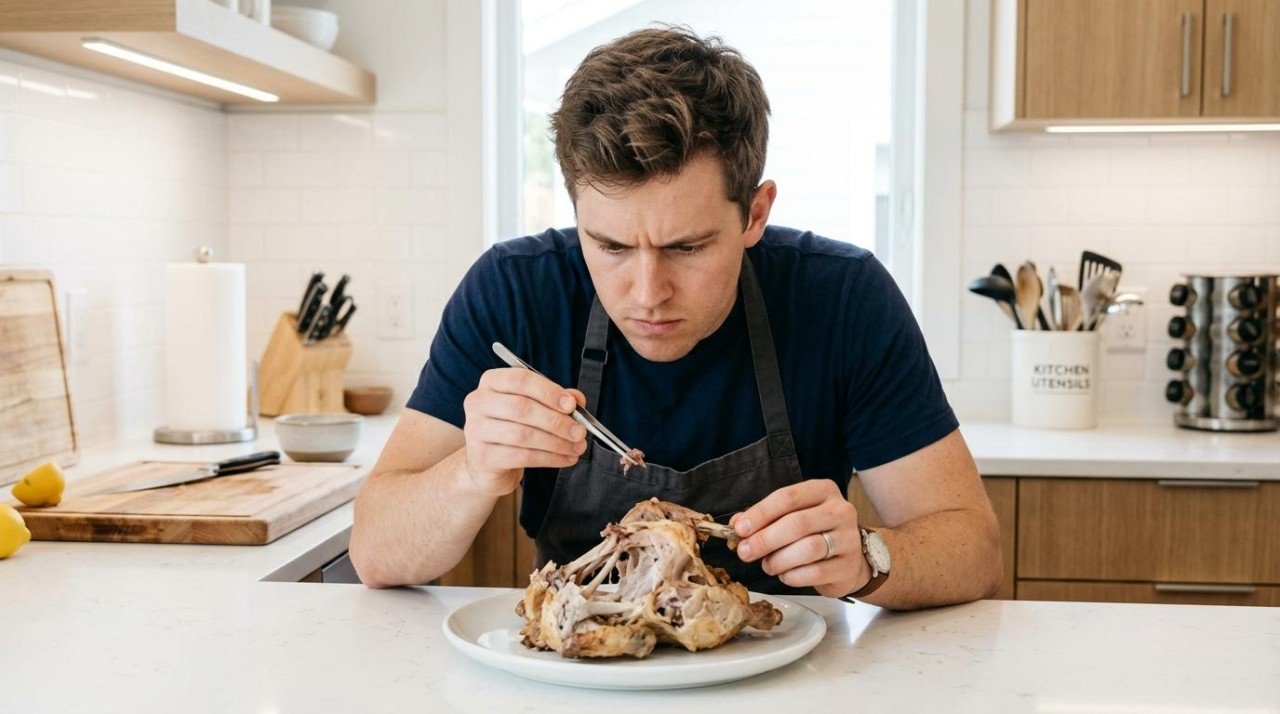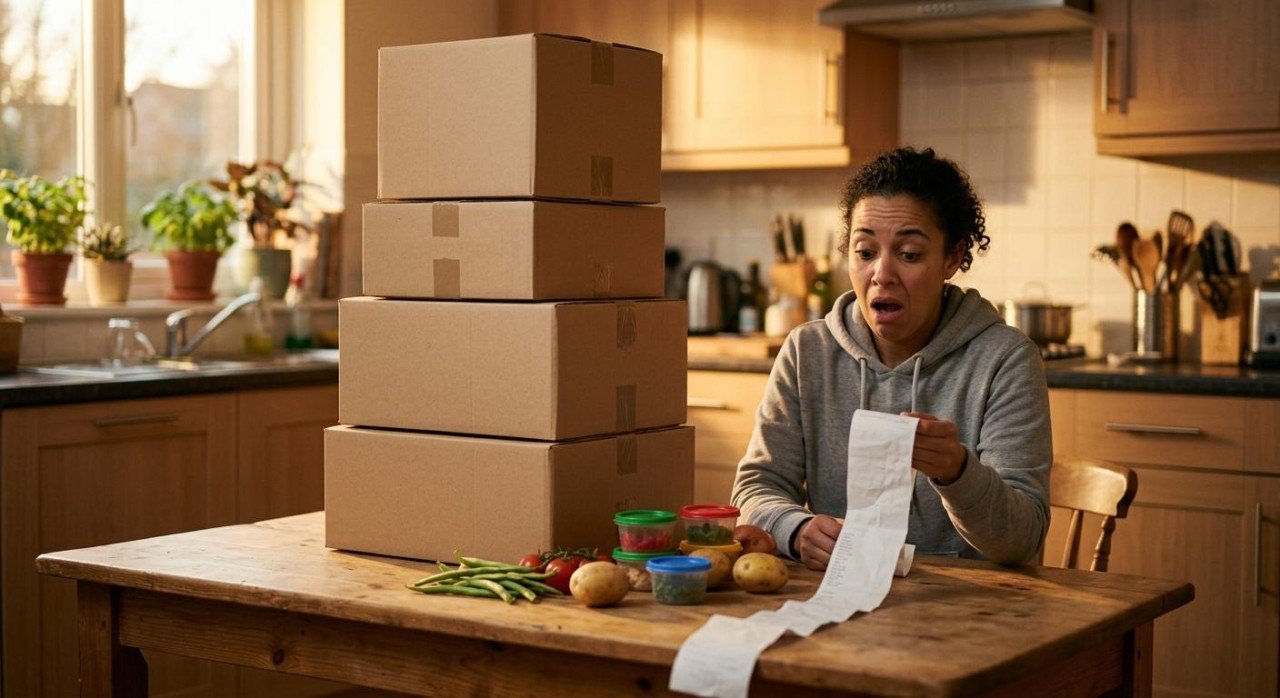
There is a version of leftovers nobody looks forward to: the same foil-covered dish, reheated a little sadder each night until you finally give up and order takeout. And then there is the version restaurants and thrifty home cooks have quietly relied on forever — cook one generous base, then spin it into meals that don't taste remotely alike. A roast chicken becomes tacos on Tuesday and a pot of soup on Thursday. A tray of roasted vegetables becomes a grain bowl, then folds into a frittata. Same effort at the stove once, three different dinners on the table.
This is often called planned leftovers or cook once, eat several times, and it's one of the highest-leverage habits a busy household can build. It saves hours, cuts waste, and — done right — makes eating well feel almost automatic. The trick is in that phrase "done right." Cooking a big batch and eating identical portions for five days is a fast track to food boredom. The goal is transformation, not repetition. Here's how to do it in a way that's genuinely different each time, and stays safe in the process.
Why cooking once actually makes you eat better
Start with the payoff, because it's bigger than convenience. People who cook at home more often simply eat better. In a Johns Hopkins analysis of more than 9,000 American adults, those who cooked dinner six or seven nights a week consumed fewer calories, less sugar, and less fat on an average day than people who rarely cooked — about 2,164 calories, 81 grams of fat, and 119 grams of sugar versus 2,301 calories, 84 grams of fat, and 135 grams of sugar for the group who cooked once a week or less. The frequent cookers weren't following a diet. They just ate more of their food from their own kitchen, where portions and ingredients are under their control.
The catch is that cooking from scratch every single night is exactly the thing most people can't sustain. That's where batching earns its keep: it front-loads the effort so that "home-cooked" doesn't have to mean "start from zero at 6 p.m." You get the diet-quality benefit of cooking without the nightly labor of it.
Planning ahead compounds the effect. In the French NutriNet-Santé study of 40,554 adults, people who planned their meals ahead had higher scores for overall food variety and diet quality, and were less likely to be overweight or obese, than those who didn't plan. It's an association, not proof of cause — but it lines up neatly with the cook-once approach, which is really just planning plus batching wearing a chef's hat.
The real reason "leftovers" get a bad name
If planned leftovers are so efficient, why do so many of us dread them? The answer is a well-studied quirk of appetite called sensory-specific satiety. As you eat a particular food, the pleasure you get from that specific flavor, texture, and aroma steadily drops — while your appetite for different tastes stays intact. It's why there's always room for dessert after you're full of savory food. Researchers Barbara and Edmund Rolls demonstrated the flip side too: in one classic experiment, people offered four courses of different foods ate about 44% more than people offered four courses of the same food.
The takeaway for leftovers is liberating. Your reluctance to eat the same thing five nights running isn't weakness or pickiness — it's a built-in preference for variety. So the answer isn't to white-knuckle your way through Monday's casserole all week. It's to change enough about the meal that your senses register it as something new. Swap the sauce, change the format, shift the temperature, move it to a different cuisine. Sensory-specific satiety says even modest changes reset your interest. That single insight is the whole art of planned leftovers.
The cook-once framework: base, then remix
Every good cook-once system starts with a versatile base — something deliberately seasoned underneath the finish line, so it can travel in several directions. A chicken roasted with just salt, pepper, and lemon isn't committed to any one cuisine yet. A pot of plain-ish beans, a tray of roasted vegetables, a batch of grains, a big pan of seasoned ground meat — these are blank canvases, not finished paintings. The mistake that dooms most batch cooking is over-committing the base to one flavor profile on day one, which leaves you nowhere to go.
From one base, you build remixes that differ along at least one big axis:
- Roast chicken → carve for a plated dinner night one → shred into tacos with lime, cumin, and slaw → simmer the carcass and remaining meat into a ginger-scallion or tortilla soup. Three cuisines, one roast.
- Roasted vegetables → serve as a warm side → pile onto a grain bowl with a punchy tahini or yogurt sauce → fold into a frittata or fold through pasta with a little cheese. Warm side, cold-ish bowl, baked eggs — three formats.
- A pot of beans or lentils → a brothy bowl with greens → mashed into taco or wrap filling → blended into a dip or thickened into a stew.
- Batch-cooked grains → a savory bowl base → a quick fried-rice-style skillet → a cold grain salad with herbs and vinaigrette.
Notice the pattern: the base does the slow, oven-or-stove-heavy work once, and each remix is a fast assembly job — 10 or 15 minutes of adding fresh, high-impact finishing touches. That's the structure that makes weeknights feel effortless without tasting like a rerun.
The food-safety rules that actually govern your week
Here's the part the romantic "roast chicken all week" fantasy usually skips: your fridge has a clock, and it's stricter than you'd like. Cooked leftovers keep for 3 to 4 days in the refrigerator, according to USDA Food Safety and Inspection Service guidance. So "cook once, eat three times" works beautifully across a Monday-to-Thursday stretch — but it does not mean one Sunday cook can safely stock the whole week from the fridge. Push those remixes to day five or six and you're gambling with your stomach.
A few rules make the whole system safe rather than risky:
- Cool it fast. Get cooked food into the fridge within 2 hours (1 hour if it's above 90°F in the kitchen). Divide big batches into shallow containers about three inches deep or less so they chill quickly and evenly instead of sitting warm in the center — the temperature range bacteria love most.
- Reheat hot. Bring leftovers to 165°F throughout, and take soups, sauces, and gravies all the way to a rolling boil. A quick microwave that leaves cold spots isn't enough.
- Use the freezer to beat the clock. This is the honest fix for stretching one cook across more than a few days. Frozen leftovers keep well for about 3 to 4 months for best quality. Portion half your base into the freezer the day you cook it, and you turn a 4-day window into a month of options.
Freezing isn't a nutritional downgrade, either. Because produce is frozen soon after harvest, frozen and even canned vegetables can be just as nutritious as fresh — sometimes more so, since fresh produce starts losing nutrients the moment it's picked. Green peas, for example, can shed roughly half their vitamin C within a couple of days of harvest. A portion of your batch tucked into the freezer at its peak is often in better shape than the "fresh" version wilting in the crisper drawer.
Where this quietly saves you money
Cooking once and planning the remixes also attacks one of the most expensive habits in the average kitchen: throwing food away. The EPA estimates food waste costs the typical U.S. consumer about $728 a year, and roughly $2,913 a year for a household of four — about $56 every week in groceries that get bought and binned. Most of that isn't dramatic spoilage; it's the half-onion, the extra chicken, the vegetables you bought with good intentions and no plan.
Planned leftovers close that gap almost by definition. When Sunday's roast is already spoken for as Tuesday's tacos and Thursday's soup, the ingredients have a job before they ever hit the fridge. Nothing is orphaned. You buy with a destination in mind, and the food actually gets eaten.
Making it a system instead of a nightly scramble
The honest challenge with cook-once eating isn't the cooking — it's the orchestration. To make it work you have to hold a lot in your head at once: which base you're building, which three meals it becomes, what fresh finishing ingredients each remix needs, and — crucially — which day each one has to happen before the fridge clock runs out. Do that mental juggling at 6 p.m. after a long day and you'll default right back to takeout.
There's a reason that matters. When the plan lives only in your head, every meal becomes another decision to make at the exact moment your willpower is lowest. Researchers reviewing decision fatigue and food choices note that as the day wears on and choices pile up, people tend to slide toward easy, automatic, less healthy defaults — though they're candid that direct evidence in real kitchens is still limited. The practical point stands regardless: the fewer food decisions you have to make in the tired evening hours, the better those decisions tend to be. A plan made once, in a calm moment, beats five plans improvised under pressure.
Take the Guesswork Out of Eating Well
Eat Well Planner helps you organize your favorite recipes, plan balanced meals, and automatically generate shopping lists — all in one place. Whether you're tracking macros, managing dietary restrictions, or just trying to stop asking "what's for dinner?", we've got you covered.
Our AI-powered tools can adapt any recipe to your dietary needs, help you discover new meals you'll love, and even log your nutrition effortlessly. It's meal planning made simple.
Start Organizing Your Meals — FreeThis is exactly the kind of coordination Eat Well Planner is built to take off your plate. Its meal-prep tools are designed around this base-and-remix idea: you can batch-cook reusable components — a protein, a grain, roasted vegetables, a sauce — and the app helps you slot the meals that reuse them across your week, so the remixes land inside the safe 3-to-4-day window instead of piling up unused. Because it knows what's in your saved recipes, the AI can suggest ways to repurpose a base you've already cooked ("you've got roast chicken — here's a taco night and a soup that use it"), and it drops those meals straight into your plan.
From there the tedious parts run themselves. Your meal plan generates an organized shopping list automatically, so you buy exactly what the week's base and its remixes call for — the single most reliable way to stop overbuying and wasting food. You can import recipes from any website, Instagram reel, or YouTube video to build a library of remix ideas worth reusing, and the built-in AI recipe chat is genuinely useful here: ask it "what can I make with leftover roasted vegetables and eggs?" or "turn this roast chicken into something Thai," and it'll give you a different direction to take the same base. And the nutrition tracking quietly shows you that eating this way — more home-cooked, more plants, less last-minute processed food — actually moves your numbers.
A sample cook-once week
To make it concrete, here's how a single roast-and-vegetables Sunday can carry most of a week without a repeat in sight:
- Sunday: Roast two chickens (or one big one) and a couple of trays of vegetables — squash, onions, peppers, broccoli. Season lightly. Serve one plated dinner. Cool and refrigerate the rest within 2 hours; freeze half the chicken right away.
- Tuesday: Shred fridge chicken into tacos with lime, cumin, quick-pickled onions, and slaw. Ten minutes, and it tastes nothing like Sunday.
- Wednesday: Turn the roasted vegetables into a grain bowl over batch-cooked grains with a bright tahini or yogurt sauce.
- Thursday: Simmer the chicken carcass and remaining meat into a soup — bring it to a rolling boil, add greens and noodles. (You're right at the fridge's 4-day edge, so this is the last fridge remix.)
- Next week: Pull the frozen chicken for a curry or pot pie whenever you want, no cooking-from-scratch required.
One real cooking session. Five distinct meals. Minimal waste, and not a sad reheat among them. That's the whole promise of cooking once and eating well all week — you do the work when you have the energy, and your future self just assembles.
Planned leftovers aren't about eating the same thing to save time. They're about cooking smart once, then giving your senses — and your schedule — the variety they actually want. Try organizing your cook-once week with Eat Well Planner and let the plan, the shopping list, and the remix ideas take care of themselves.