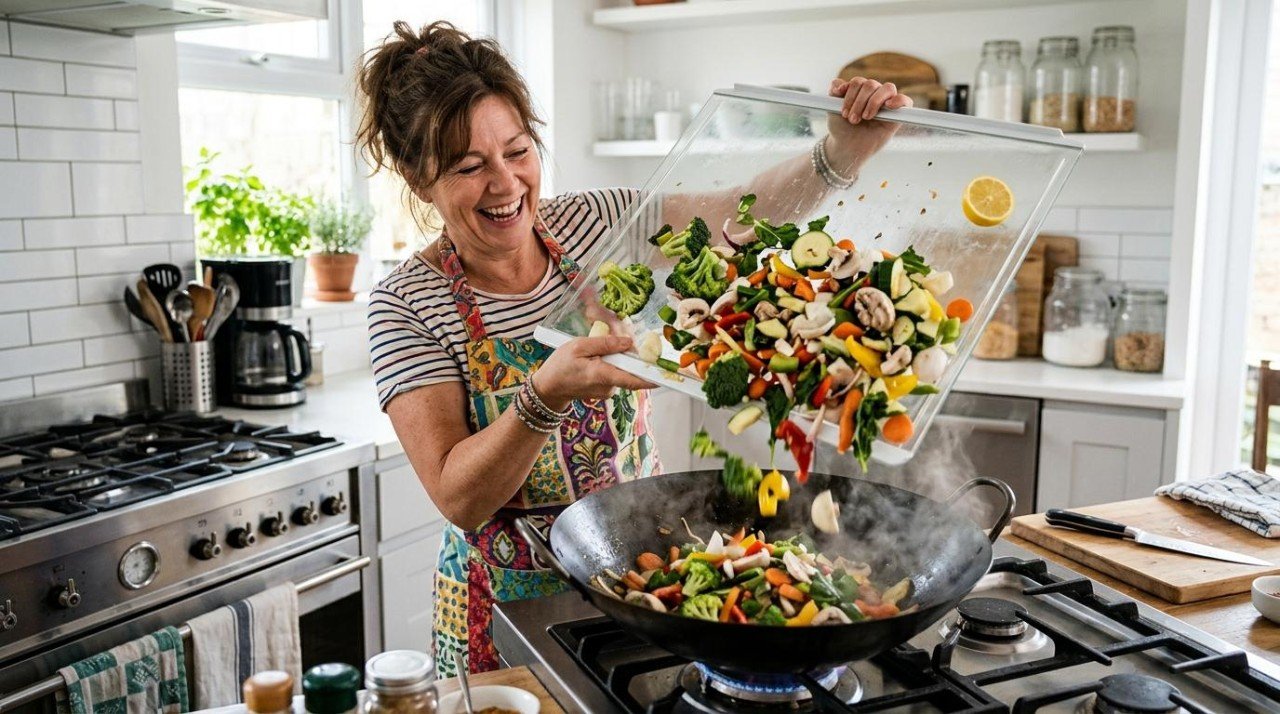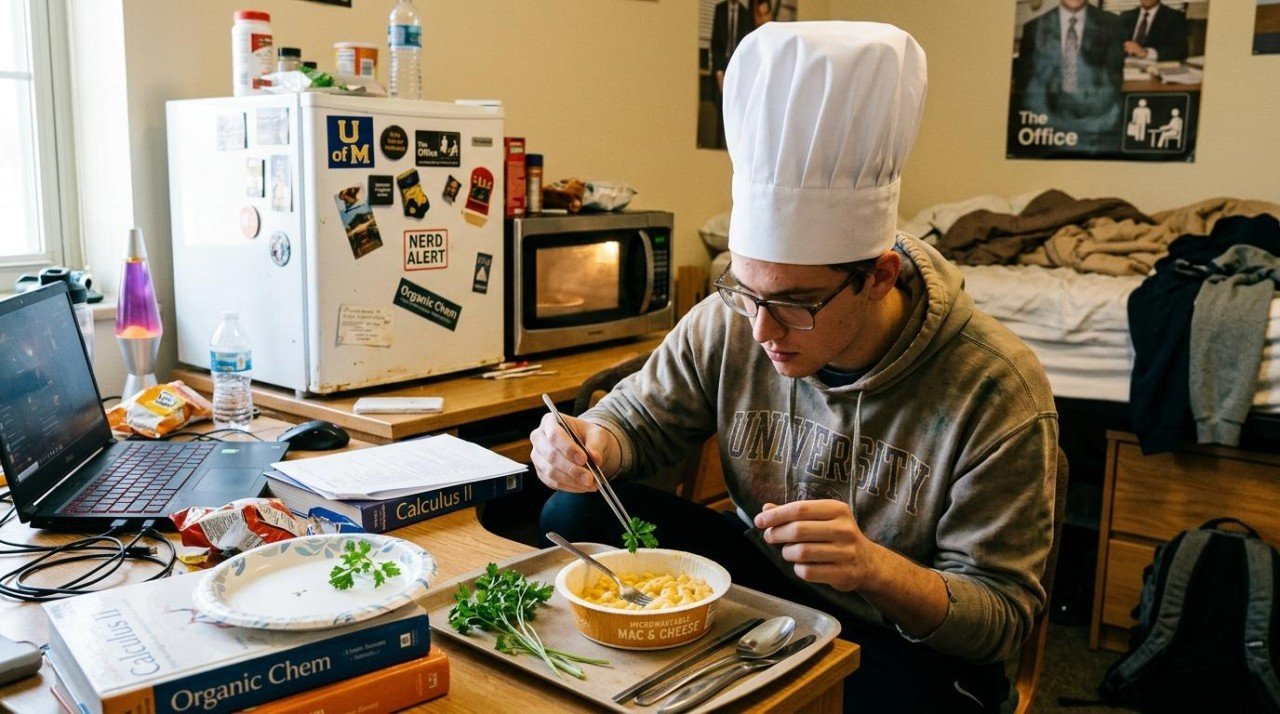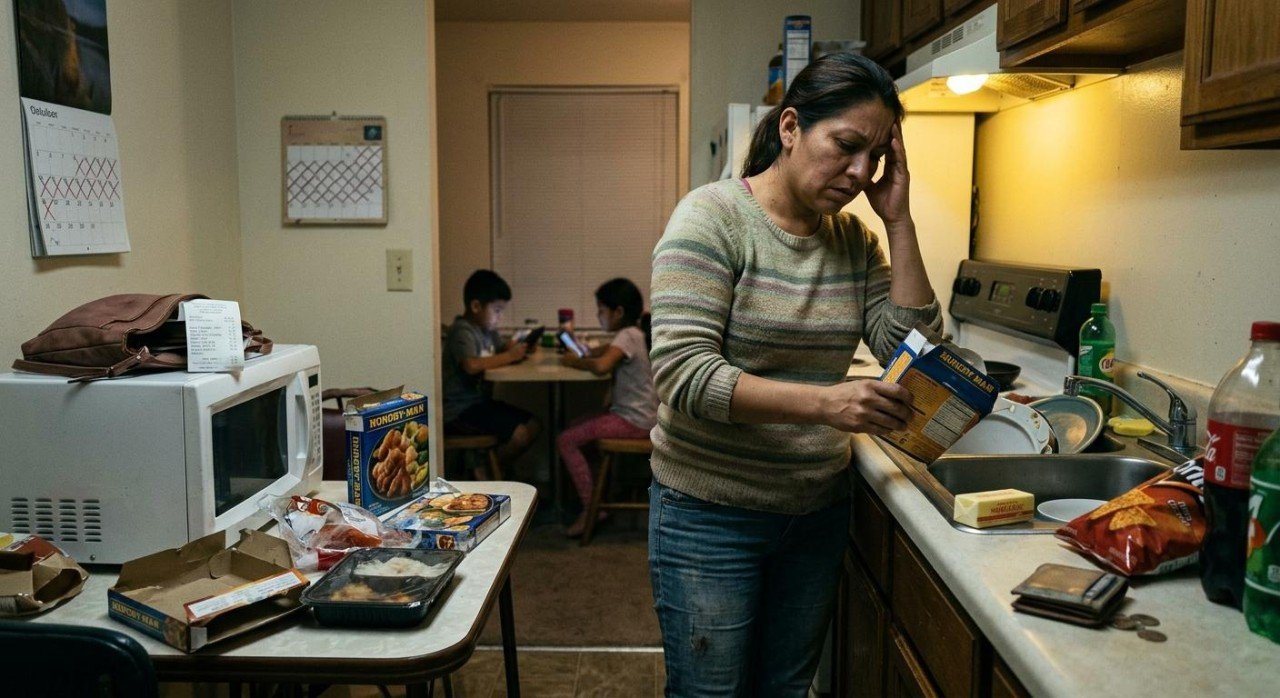
You know you should eat better. Everyone knows. But the standard advice -- meal prep on Sundays, buy organic produce, batch cook elaborate freezer meals -- assumes you have money, time, and energy to spare. If you're a shift worker grabbing food between doubles, a single parent with twelve minutes before school pick-up, or a student stretching your last $30 until Friday, that advice might as well be written in a different language.
Here's the thing: healthy eating doesn't require a Whole Foods budget or a free Sunday afternoon. But it does look different depending on what you're actually working with. This guide splits into three scenarios -- short on time, short on money, and short on both -- with specific foods, meals, and strategies for each. No judgment, no perfection, just the most nutritious eating possible within your actual constraints.
The Real Numbers Behind the Problem
Let's start with why this feels so hard, because it isn't just in your head.
Nearly 47.9 million Americans lived in food-insecure households in 2024, according to the USDA -- that's 13.7% of all households struggling to reliably access enough food. Among families with children, the rate jumps to 18.4%.
Meanwhile, food costs keep climbing. The USDA's Thrifty Food Plan -- designed as the bare minimum for a nutritious diet -- puts the cost at roughly $993 per month for a family of four in 2026. For a single adult, you're looking at around $250-$310 monthly, depending on age and sex. That's before you factor in the 20% increase the USDA recommends for single-person households who can't buy in bulk.
And time? A 2025 study in Current Developments in Nutrition analyzing 20 years of American Time Use Survey data found that among those who cook, the average is about 62 minutes per day. But here's the disparity: college-educated adults showed the biggest increases in cooking participation, while lower-income households with less education often lack both the time and resources to cook regularly. The researchers noted that these trends could be "widening dietary health disparities."
So if you feel squeezed, you are. But the solution isn't all-or-nothing. It's finding the version of healthier eating that works for your specific situation.
Scenario 1: Short on Time but Not Money
You've got a paycheck but not a minute to spare. Maybe you work long hours, juggle caregiving, or simply despise being in the kitchen after a draining day. The goal here is to get nutritious food on the table fast using strategic shortcuts that cost more than cooking from scratch but far less than regular takeout.
Your Best Friends: Smart Convenience Foods
Rotisserie chicken. At around $5-7 from most grocery stores, a rotisserie chicken delivers about 24 grams of protein per serving, significant amounts of B vitamins and selenium, and it's ready to eat the moment you walk through the door. One chicken can stretch across three or four meals -- dinner plates, salads, wraps, and soup. It's lower in fat than fried alternatives and, bizarrely, often costs less than buying a raw whole chicken. Watch for sodium if you're monitoring your intake, since some store brands inject salt solutions during preparation.
Pre-cut and pre-washed vegetables. Yes, they cost more per pound than whole vegetables. But a bag of pre-cut stir-fry vegetables that actually gets eaten beats a head of broccoli that rots in the crisper drawer. If the convenience is the difference between eating vegetables and not eating them, the upcharge is worth every cent.
Frozen meal kits and quality ready meals. Not all ready meals are ultra-processed junk. Look for options with short ingredient lists you can actually read -- real chicken, real vegetables, recognizable grains. Check the sodium (aim for under 600mg per serving) and look for at least 10 grams of protein and some fiber. These aren't everyday solutions, but keeping two or three in the freezer prevents the "I'm too tired to cook so I'll order pizza" spiral.
Canned and jarred essentials. Canned beans (rinsed to cut sodium by about 40%), jarred marinara sauce, pre-made pesto, and canned diced tomatoes form the base of dozens of quick meals. A jar of pasta sauce over whole wheat pasta with a handful of baby spinach stirred in takes under 15 minutes and covers multiple food groups.
Five-Minute Meals When Time Is Money
- Rotisserie chicken grain bowl: Shred leftover rotisserie chicken over microwaved brown rice (buy the 90-second pouches), add pre-washed arugula, a drizzle of olive oil, and a squeeze of lemon.
- Bean and cheese quesadilla: Canned black beans, pre-shredded cheese, and a whole wheat tortilla. Cook in a pan for two minutes per side. Serve with jarred salsa and pre-cut avocado.
- Tuna salad lettuce wraps: Mix a can of tuna with a spoonful of mayo and a squeeze of lemon. Spoon into butter lettuce leaves. Add pre-sliced cucumber on the side.
- Egg and vegetable scramble: Crack three eggs into a pan with a handful of pre-cut frozen peppers and onions. Scramble for three minutes. Serve with toast.
- Greek yogurt power bowl: Plain Greek yogurt, a handful of granola, frozen berries (they thaw in minutes), and a drizzle of honey. Around 20 grams of protein with zero cooking.
Scenario 2: Short on Money but Not Time
You can't spend much, but you can spend an hour in the kitchen. This is where cooking from scratch becomes a genuine superpower. The cheapest nutritious foods on the planet are the ones that require some prep -- dried beans, whole grains, eggs, seasonal vegetables -- and knowing how to work with them stretches a tight grocery budget further than you'd think.
The Budget Nutrition All-Stars
Dried beans and lentils. These are possibly the most nutritious foods per dollar in any grocery store. A cup of cooked lentils delivers about 18 grams of protein plus significant fiber, iron, and folate, and they cook in just 20-25 minutes with no soaking required. Dried beans and lentils cost roughly $0.20-0.30 per serving compared to $1.50-3.00 per serving for most meats. Families that shift just two or three dinners per week toward beans and lentils can meaningfully reduce their monthly protein spending.
Eggs. At roughly $0.25-0.40 per egg (even with recent price fluctuations), eggs remain one of the most complete and affordable protein sources available. Six grams of protein per egg, plus B12, choline, and selenium. They work for any meal -- scrambled for breakfast, boiled and sliced into salads, fried on top of rice and beans for dinner.
Oats. A serving of oats costs under $0.30 and delivers 4 grams of fiber and 6 grams of protein. The beta-glucan fiber in oats has been shown to lower blood glucose and cholesterol levels. Buy the big canister of old-fashioned rolled oats -- it's one of the best cost-to-nutrition ratios in the entire store.
Canned sardines and tinned fish. A single can of sardines costs around $2-3 and packs over 22 grams of protein along with omega-3 fatty acids, calcium, vitamin D, and vitamin B12. Sardines are also low in mercury because they're small and low on the food chain. Mash them onto toast with lemon and black pepper, toss them into pasta, or eat them straight from the can.
Rice and other grains. Brown rice bought in bulk is extremely cheap and filling. A 20-pound bag can cost under $15 and last a household weeks. Pair it with beans for a complete protein that covers all essential amino acids.
Seasonal and frozen vegetables. Buying what's in season cuts produce costs significantly. And research from the University of Georgia published in the Journal of Food Composition & Analysis found that frozen fruits and vegetables are "generally equal to that of their fresh counterparts" nutritionally -- and sometimes better, because they're flash-frozen at peak ripeness while fresh produce loses nutrients during transport and storage.
Batch Cooking: Your Biggest Budget Weapon
When you have time but not money, batch cooking is the strategy that ties everything together. Spend two hours on a weekend making a big pot of lentil soup, a tray of roasted vegetables, and a large batch of rice, and you've got the building blocks for most of your meals for the next four to five days.
The financial logic is simple: buying ingredients in bulk for large batches costs less per serving than buying smaller amounts for individual meals. Batch cooking also eliminates the temptation of expensive last-minute takeout on nights when you're tired.
Five-Ingredient Budget Meals
- Lentil soup: Red lentils, canned diced tomatoes, an onion, garlic, and cumin. Simmer for 25 minutes. Makes 6+ servings for around $4-5 total.
- Rice and beans: Dried black beans (soaked overnight), rice, an onion, garlic, and a bay leaf. A complete protein for pennies per serving.
- Egg fried rice: Day-old rice, eggs, frozen peas, soy sauce, and sesame oil. Ready in 10 minutes, endlessly adaptable.
- Sardine pasta: Pasta, canned sardines, garlic, canned tomatoes, and a pinch of chili flakes. A Mediterranean meal for under $3.
- Vegetable frittata: Eggs, whatever vegetables you have (onions, peppers, zucchini, spinach), a splash of milk, and a sprinkle of cheese. Bake at 375 for 20 minutes. Feeds four and reheats well for lunches.
Growing Your Own Herbs
A packet of fresh herbs at the store costs $2-4 and wilts within a week. A small pot of basil, cilantro, or parsley on a windowsill costs about the same upfront but keeps producing for months. Herbs are one of the easiest things to grow indoors, they require almost no space, and they transform simple budget meals from bland to genuinely enjoyable. Even a few pots of chives, mint, and rosemary can save you $10-15 a month while making rice-and-bean dinners taste like a deliberate choice rather than a concession.
Take the Guesswork Out of Eating Well
Eat Well Planner helps you organize your favorite recipes, plan balanced meals, and automatically generate shopping lists — all in one place. Whether you're tracking macros, managing dietary restrictions, or just trying to stop asking "what's for dinner?", we've got you covered.
Our AI-powered tools can adapt any recipe to your dietary needs, help you discover new meals you'll love, and even log your nutrition effortlessly. It's meal planning made simple.
Start Organizing Your Meals — FreeScenario 3: Short on Time AND Money
This is where most "eat healthy" advice falls apart completely. You can't afford premium convenience foods, and you don't have hours to cook from scratch. Maybe you're working two jobs, caring for someone, or just surviving a stretch where everything feels maxed out.
This section isn't about perfection. It's about the minimum viable healthy eating plan -- the absolute floor of nutrition that's still genuinely good for you, costs almost nothing, and takes almost no time to prepare.
The Emergency Pantry: Six Foods That Do Everything
If you can only buy six things, make them these:
- Frozen vegetables -- Bags of frozen broccoli, spinach, stir-fry mixes, or peas. They're pre-cut, pre-washed, and microwave-ready in three minutes. They're also cheaper than fresh and, as the research shows, just as nutritious. No prep, no waste.
- Canned beans -- Black beans, chickpeas, kidney beans. Drain, rinse, and they're ready to eat. Protein, fiber, iron, folate -- all for under a dollar per can.
- Eggs -- Six grams of protein each. Scramble in three minutes. Boil a batch on your one free evening and they're grab-and-go protein for days.
- Oats -- Microwave with water for two minutes. Breakfast handled for about $0.25 a day. Add a banana if you can swing it.
- Bananas -- The cheapest fruit in almost every grocery store, typically under $0.30 each. Potassium, vitamin B6, natural energy, and they come in their own packaging.
- Peanut butter -- Calorie-dense, protein-rich, shelf-stable, and requires zero preparation. A tablespoon on toast or stirred into oats adds staying power to any meal.
The Minimum Viable Eating Day
Here's what a full day of eating can look like when you have almost no time and almost no money:
Breakfast (3 minutes, ~$0.50): Oats microwaved with water, topped with a sliced banana and a spoonful of peanut butter. You're getting fiber, potassium, protein, and enough energy to get through your morning.
Lunch (5 minutes, ~$1.50): A can of black beans heated in the microwave, spooned over toast or a tortilla, with a handful of frozen spinach microwaved alongside. Squeeze hot sauce on top. Complete protein, iron, fiber, and several servings of vegetables.
Dinner (10 minutes, ~$2.00): Scramble three eggs with a big handful of frozen mixed vegetables. Serve with toast or leftover rice if you have it. Fast, filling, and nutritionally solid.
Snack (~$0.50): A banana with a spoonful of peanut butter, or a hard-boiled egg.
Total cost: roughly $4.50 for a full day of eating. That's under $32 per week. It's not exciting, but it covers your core nutritional bases -- protein, fiber, vitamins, minerals, and healthy fats -- for less than a single fast-food combo meal.
Five-Minute Survival Meals
- Peanut butter banana oats: Microwave oats, slice banana on top, stir in peanut butter. Done.
- Bean and egg burrito: Warm a tortilla, fill with canned beans and a fried egg. Add hot sauce.
- Frozen vegetable stir-fry: Microwave a bag of frozen stir-fry vegetables. Toss with soy sauce and serve over instant rice or noodles.
- Egg drop soup: Boil water with a bouillon cube. Stir in beaten eggs and a handful of frozen spinach. Ready in five minutes, surprisingly satisfying.
- Loaded toast: Toast with peanut butter and banana slices, or with mashed canned beans and a fried egg on top.
Smart Shopping Strategies That Work for Any Budget
Regardless of which scenario fits you, these strategies help stretch every dollar further:
Buy store brands. Research from Utah State University found that store-brand products are typically about 25% cheaper than name brands with virtually identical nutrition. That adds up fast across a full grocery cart.
Shop the perimeter, but hit the center aisles strategically. Fresh produce, dairy, and proteins line the perimeter, but the center aisles hold budget staples -- canned beans, oats, rice, frozen vegetables, peanut butter -- that form the backbone of affordable healthy eating.
Don't overlook frozen. Beyond the nutritional equivalence, frozen produce reduces waste dramatically. Americans waste about 5.5% of fresh vegetables they buy but only 1.4% of frozen vegetables, making fresh vegetable waste roughly four times higher. When money is tight, waste is something you literally can't afford.
Plan before you shop. Even a rough list of five or six meals for the week prevents the impulse purchases and forgotten ingredients that inflate grocery bills. This doesn't need to be elaborate -- a note on your phone listing "Monday: eggs and frozen veg, Tuesday: lentil soup from batch, Wednesday: bean quesadillas" takes two minutes and can save $20-40 per week in avoided takeout and thrown-away food.
Cook once, eat multiple times. Whether you have two hours on a Sunday or thirty minutes on a Tuesday, doubling any recipe costs almost nothing extra in ingredients but gives you a second meal for free. A pot of soup, a tray of roasted vegetables, a batch of rice -- these are the building blocks that prevent expensive, less nutritious last-minute choices.
Eating Well Is Cheaper Than Eating Badly (in the Long Run)
One common objection is that healthy food is more expensive. And by one measure, it is: per calorie, less nutritious food tends to be cheaper. A dollar buys more calories in chips than in carrots.
But per serving and per nutrient, many whole foods are competitive or cheaper. Sweet potatoes, beans, dark leafy greens, and white potatoes provide the most nutrition for the least cost. And the same research points out the hidden cost of poor nutrition: individuals with obesity face medical costs roughly $1,500 more per year, while those with three to four chronic diseases spend approximately $25,000 annually on healthcare versus $6,000 for disease-free individuals.
The real cost comparison isn't carrots versus chips. It's the cost of a bag of dried lentils versus a combo meal at a drive-through. Americans spent an average of $191 per person per month on dining out in 2024, and the average fast food combo now runs over $11. A home-cooked lentil soup that feeds six costs about $5 total. The math isn't even close.
The Message: There's a Version That Works for You
Healthy eating advice too often comes from a place of privilege -- from people with well-stocked kitchens, flexible schedules, and comfortable incomes. That advice isn't wrong, but it isn't universal.
The truth is that there's a version of healthier eating for every level of constraint. If you have money but no time, buy smart convenience foods and assemble meals in minutes. If you have time but no money, learn to cook with dried beans, eggs, and seasonal produce. If you have neither, lean on frozen vegetables, canned beans, oats, and eggs -- the absolute workhorses of affordable, minimal-effort nutrition.
None of these approaches require perfection. Scrambled eggs with frozen vegetables is a genuinely nutritious dinner. Oats with a banana is a solid breakfast. Canned beans on toast is a real meal. Progress isn't about Instagram-worthy plates -- it's about consistently making the best choice available to you, given what you're actually working with.
The most important meal you eat this week isn't the fanciest. It's the one you actually make, with whatever you've got, instead of defaulting to something you'll feel worse after eating. Start where you are. Use what you have. That's enough.
If the planning part feels like one more thing you don't have bandwidth for, tools like Eat Well Planner can help. It generates weekly meal plans tailored to your budget and time constraints, builds automatic shopping lists so you only buy what you need, and lets you save recipes that match your reality -- whether that's a five-minute egg scramble or a slow-cooked batch of lentil soup. The idea is to take the decision-making off your plate so you can focus on the eating.