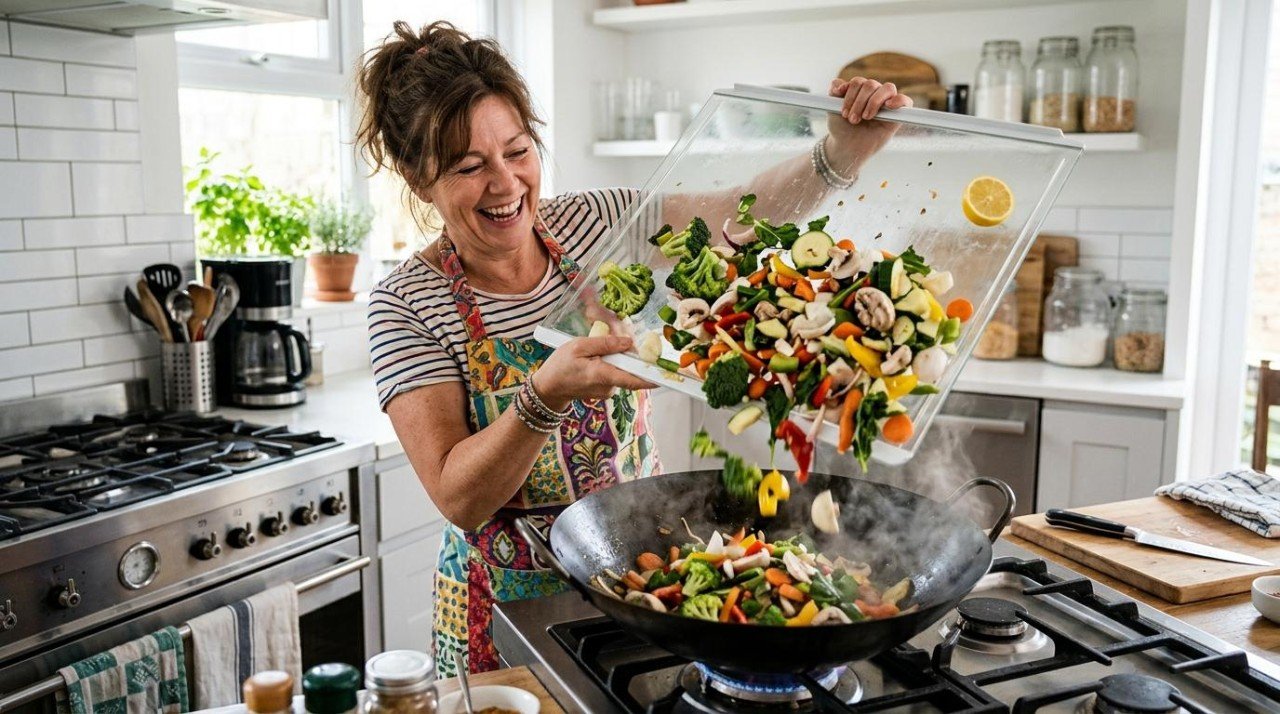
Getting kids to eat well can feel like a daily negotiation. You put something green on the plate, and they act like you've personally betrayed them. But before you chalk it up to stubbornness, it helps to understand that children aren't just being difficult — their biology is genuinely working against them.
Research from the Monell Chemical Senses Center shows that children are significantly more sensitive to bitter tastes than adults, even when they share the same genetic profile. This heightened sensitivity doesn't fade until adolescence. It's driven partly by the TAS2R38 gene — children carrying the bitter-sensitive variant detect bitterness at much lower concentrations and tend to avoid bitter-tasting vegetables like broccoli, kale and Brussels sprouts. From an evolutionary standpoint, this makes sense: bitter compounds in the wild often signal toxins, so young children evolved to be cautious about unfamiliar foods, especially bitter ones.
At the same time, children prefer higher concentrations of sweetness than adults do — a preference researchers link to the caloric demands of growth rather than simply "wanting sugar." Their palates are wired differently, and that's not a character flaw. It's developmental biology.
The good news? Understanding this gives you a real advantage. Instead of battling biology, you can work with it — choosing meals that deliver serious nutrition in forms kids genuinely enjoy. Here are 20 of them, split across the day, with the specific nutrients that make each one worth the effort.
Two Strategies That Work Together
Before the meal ideas, a quick note on approach. Research supports two complementary strategies for improving kids' nutrition, and the most effective parents tend to use both.
The sneaky route: A Penn State study published in the American Journal of Clinical Nutrition found that when researchers pureed vegetables like cauliflower, broccoli and courgette into children's favorite foods, the kids ate up to 73% more vegetables over the course of a day — without noticing any difference in taste. This is a legitimate, research-backed way to boost nutrient intake while you work on the longer game.
The transparent route: Repeated, low-pressure exposure to visible vegetables builds genuine acceptance over time. Systematic reviews suggest children may need 8 to 15 exposures to a new food before accepting it — though some kids come around sooner. The key is offering without pressuring, because a study published in Appetite found that pressuring children to eat actually backfires — kids in the study consumed less food and made five times as many negative comments about it when pressured compared to when they weren't.
Use both. Blend vegetables into sauces to cover nutritional bases today, and keep putting visible vegetables on the plate to build acceptance for tomorrow.
Quick Breakfasts
1. Banana-Oat Pancakes
Mash a ripe banana, mix with oats and an egg, and cook as small pancakes. Kids love them because they're sweet and stackable. You'll love them because oats deliver beta-glucan fiber (which supports healthy cholesterol levels even in childhood), manganese for bone development, and B vitamins for energy. The banana adds potassium — essential for healthy blood pressure and muscle function — while the egg contributes protein and choline, a nutrient critical for brain development.
Sneaky upgrade: Grate a small courgette into the batter. It melts into the pancake and adds extra fiber and vitamin C without changing the taste.
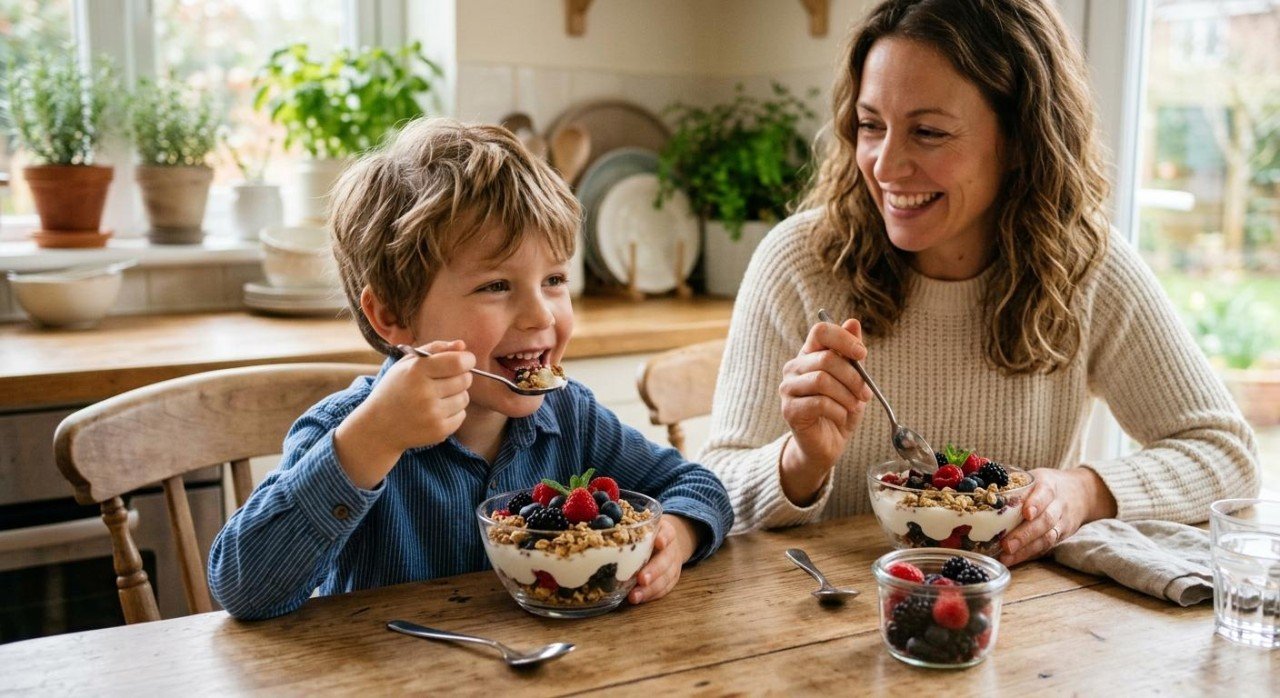
2. Berry Yogurt Parfait
Layer plain Greek yogurt with mixed berries and a sprinkle of granola. The yogurt provides calcium for growing bones, protein to keep them full through the morning, and live cultures that support gut health. Berries — blueberries, strawberries, raspberries — are packed with anthocyanins, the pigments that give them their color and act as powerful antioxidants. Strawberries alone deliver more vitamin C per serving than an orange.
Make it fun: Let kids build their own in a clear glass so they can see the layers. The visual appeal makes a real difference — children eat with their eyes first.
3. Scrambled Eggs with Cheese and Toast Soldiers
Simple, fast, and nutritionally dense. Eggs are one of the most complete protein sources available, containing all nine essential amino acids. They're also one of the best dietary sources of choline — a nutrient that most children don't get enough of, and one that's vital for memory, mood and brain development. Add grated cheese for calcium and cut the toast into soldiers for dipping, which turns a basic breakfast into something interactive.
4. Peanut Butter Banana Smoothie
Blend a banana, a tablespoon of peanut butter, milk (dairy or fortified plant-based), and a handful of frozen fruit. The peanut butter delivers protein, vitamin E and healthy monounsaturated fats. The banana brings potassium and prebiotic fiber that feeds beneficial gut bacteria.
Sneaky upgrade: Add a generous handful of spinach. It turns the smoothie a slightly different shade but the banana and peanut butter mask the taste completely. You've just added iron, folate and vitamin K without a single complaint.
5. Sweet Potato and Cinnamon Mini Muffins
Sweet potato is naturally sweet, which works beautifully in baking — no need to load up on added sugar. A single medium sweet potato delivers over 100% of a child's daily vitamin A needs (as beta-carotene), which supports immune function, vision and skin health. Mixed into whole wheat muffin batter with a pinch of cinnamon, these taste like a treat while delivering fiber, potassium and vitamin C. Batch-bake on a Sunday and freeze for grab-and-go mornings.
School Lunchbox Ideas
6. Wholemeal Wraps with Hummus and Grated Vegetables
Spread hummus on a whole wheat tortilla, add grated carrot, cucumber and a little cheese, then roll it up tight and slice into pinwheels. Hummus is made from chickpeas — one of the most nutrient-dense legumes — providing plant protein, iron and fiber. The whole wheat wrap adds B vitamins and extra fiber. Grated carrot delivers beta-carotene, and the cheese contributes calcium. Pinwheels are easy to eat, fit neatly in a lunchbox, and look far more appealing to a child than a standard sandwich.
7. Mini Frittata Muffins with Spinach and Cheese
Whisk eggs with finely chopped spinach and grated cheese, pour into a muffin tin and bake. These are protein-rich, portable and endlessly adaptable. Spinach brings iron and folate — two nutrients that research links to deficiency in picky eaters. The eggs add complete protein and B12, while cheese covers calcium. Make a batch on the weekend and they'll keep in the fridge for several days.
8. Pasta Salad with Pesto and Cherry Tomatoes
Cook pasta (whole wheat or a blend), toss with pesto, halved cherry tomatoes and sweetcorn. Kids tend to accept pasta in almost any form, and pesto brings hidden nutrition: basil provides vitamin K, pine nuts add magnesium and zinc, and olive oil delivers heart-healthy monounsaturated fats. Cherry tomatoes are rich in lycopene — an antioxidant that becomes more bioavailable when tomatoes are processed or cooked — plus vitamin C. Sweetcorn adds fiber and a touch of natural sweetness that most kids enjoy.
9. Chicken and Vegetable Pinwheels
Spread cream cheese on a tortilla, layer with shredded cooked chicken and finely diced peppers or grated courgette, then roll and slice. Chicken is a lean source of protein and B vitamins — particularly B6, which supports immune function and helps the body make neurotransmitters. The peppers add a surprising amount of vitamin C (red peppers contain nearly three times as much as oranges), and cream cheese makes the whole thing taste indulgent rather than "healthy."
10. Salmon and Edamame Rice Balls
Mix cooked rice with flaked tinned salmon, shelled edamame and a tiny drizzle of soy sauce. Shape into small balls — the kind of hands-on activity kids love helping with. Salmon is one of the best sources of omega-3 fatty acids (DHA and EPA), which are essential for brain development and cognitive function in children. Edamame adds plant protein, fiber and folate. Rice balls travel well and can be eaten cold, making them ideal for lunchboxes.
Take the Guesswork Out of Eating Well
Eat Well Planner helps you organize your favorite recipes, plan balanced meals, and automatically generate shopping lists — all in one place. Whether you're tracking macros, managing dietary restrictions, or just trying to stop asking "what's for dinner?", we've got you covered.
Our AI-powered tools can adapt any recipe to your dietary needs, help you discover new meals you'll love, and even log your nutrition effortlessly. It's meal planning made simple.
Start Organizing Your Meals — FreeAfter-School Snacks
Snack time is an underused opportunity. Children are often genuinely hungry after school, which means they're more open to eating things they might reject at dinner. Research on serving vegetables as a "first course" when children are hungriest suggests the same principle applies here — timing matters.
11. Apple Slices with Nut Butter
A classic for good reason. Apples provide fiber (particularly pectin, a prebiotic that feeds beneficial gut bacteria) and vitamin C. Nut butter — whether peanut, almond or cashew — adds protein, healthy fats and vitamin E, a fat-soluble antioxidant that supports immune function. The combination of fiber, fat and protein makes this snack genuinely filling, not just a sugar hit that wears off in twenty minutes.
12. Frozen Yogurt Bark
Spread Greek yogurt on a lined baking tray, scatter with berries, a few dark chocolate chips and a sprinkle of seeds, then freeze and snap into pieces. Kids love it because it feels like ice cream. The yogurt delivers calcium and probiotics. The berries add antioxidants. Pumpkin or sunflower seeds contribute zinc — a mineral commonly deficient in picky eaters (one study found 43% of picky eaters were zinc-deficient, compared to 26% of non-picky eaters). Zinc is essential for immune function, growth and even taste perception — deficiency is associated with diminished taste sensitivity, which can reduce appetite and make children less willing to eat.
13. Veggie Sticks with Hummus
Carrot sticks, cucumber batons, pepper strips, sugar snap peas — served with hummus for dipping. The dipping is what makes this work. Children are far more likely to eat raw vegetables when there's something to dip them in, and hummus adds protein and iron from the chickpeas plus healthy fats from the tahini and olive oil.
Presentation tip: Serve the hummus in the center of a plate with the vegetables arranged around it like a rainbow. Research confirms that children find food more appealing when it's colorful and arranged in interesting patterns — it's not just a parenting cliche, it genuinely increases willingness to eat.
14. Homemade Trail Mix
Let kids build their own from a selection: almonds, cashews, pumpkin seeds, sunflower seeds, raisins, dried apricots and a few dark chocolate chips. Nuts deliver magnesium (critical for over 300 enzymatic reactions in the body), zinc and healthy fats. Dried apricots are a concentrated source of iron — a nutrient that's the most common nutritional deficiency worldwide, and one that's especially prevalent in young children. The dark chocolate adds a touch of indulgence along with flavanols that support blood flow.
15. Frozen Banana Pops
Insert a lollipop stick into a banana half, dip in melted yogurt, roll in crushed nuts or desiccated coconut, and freeze. Bananas are rich in potassium (vital for heart rhythm and muscle contraction) and vitamin B6. The yogurt coating adds calcium, and the nut coating brings healthy fats and vitamin E. They look and feel like an ice lolly, which is the whole point.
Easy Dinners
16. Hidden Vegetable Bolognese
This is the Penn State study in action. Finely grate or blend carrots, courgettes, mushrooms and red peppers into your regular bolognese sauce. The tomato base delivers lycopene — one of the most potent antioxidants found in food — while the hidden vegetables add vitamin C, fiber and potassium without altering the taste your kids already love. The mince provides highly bioavailable iron (haem iron, which the body absorbs far more efficiently than plant-based iron) and zinc.
Sneaky upgrade: Stir in a handful of red lentils. They dissolve completely into the sauce during cooking, thickening it while adding extra protein and fiber.
17. Chicken and Sweet Potato Tray Bake
Toss chicken thighs, cubed sweet potato and a few other vegetables (peppers, red onion, courgette) on a baking tray with a drizzle of olive oil and roast. One tray, minimal washing up. Chicken thighs are more flavorful and forgiving than breasts — harder to overcook, juicier, and richer in iron and zinc. The sweet potato brings beta-carotene for immune support, and roasting caramelises everything, bringing out natural sweetness that appeals to children's palates.
18. Homemade Fish Fingers with Sweet Potato Chips
Cut white fish (or salmon for more omega-3s) into finger shapes, coat in egg and breadcrumbs, and bake until golden. Serve with sweet potato chips cut into wedges and baked alongside. Homemade fish fingers contain significantly more actual fish and fewer additives than the frozen kind. Fish provides complete protein and iodine — a mineral essential for thyroid function and cognitive development that many children are low in. If you use salmon, you're also adding those crucial omega-3 fatty acids for brain health.
19. One-Pot Chicken Fried Rice
Cook leftover rice with diced chicken, frozen peas, sweetcorn, grated carrot and a splash of soy sauce. It takes about fifteen minutes and kids devour it. The chicken adds protein and B vitamins. Peas are surprisingly nutrient-dense — a good source of protein, fiber, vitamin K and folate. The carrot adds beta-carotene, and using leftover rice means this comes together faster than ordering a takeaway.
Involvement tip: Let kids crack the egg into the pan and stir. Research from Utah State University found that children who routinely help with meal preparation eat approximately one additional serving of vegetables per day compared to those who don't. Even small tasks — stirring, pouring, arranging — increase their investment in the meal.
20. Mini Turkey Meatballs in Tomato Sauce
Mix turkey mince with finely grated courgette and carrot, a little garlic, and some breadcrumbs. Roll into small balls and simmer in a simple tomato sauce. Small is important here — bite-sized food feels more manageable and fun for children. Turkey provides lean protein, iron and selenium (an antioxidant mineral that supports immune function). The grated vegetables add fiber and nutrients while keeping the meatballs moist. Serve with pasta, in a sub roll, or just on their own with the sauce for dipping.
Making It All Work
Having good recipes is only half the picture. How you present and serve food matters just as much. A few strategies that are backed by actual evidence:
- Serve vegetables first. Put a small plate of raw veggies out while you're cooking dinner. When children are hungriest, they're most open to eating things they'd otherwise ignore. A cross-over study with preschoolers found that doubling the portion of vegetables served as a first course led to a 47% increase in vegetable consumption at that meal.
- Use dips liberally. Hummus, guacamole, yogurt dips, even a mild salsa — dipping makes raw vegetables more appealing and adds healthy fats that help the body absorb fat-soluble vitamins (A, D, E, K) from the vegetables themselves.
- Make food interactive. Build-your-own tacos, pizza with toppings to choose from, or wraps where kids pick their fillings. Giving children some control over what goes on their plate reduces resistance. It's not about letting them eat whatever they want — it's about offering acceptable choices within a nutritious framework.
- Cook together. It doesn't have to be elaborate. Washing vegetables, tearing lettuce, stirring a pot — any involvement increases the chance they'll eat what they helped make.
- Don't give up after one rejection. Remember the research: children may need eight or more exposures to a new food before they accept it. Keep offering it alongside foods they already like, without pressure or commentary. Neutral exposure is the goal.
The Bigger Picture
CDC data from 2021 shows that nearly half of children aged 1 to 5 don't eat a daily vegetable, and more than half are already drinking sugar-sweetened beverages regularly. These patterns tend to stick — the eating habits formed in childhood carry into adulthood. But the same is true in reverse: children who grow up eating a variety of nutrient-dense foods develop preferences that protect their health for decades.
You don't need to overhaul everything at once. Pick two or three ideas from this list that feel realistic and start there. Batch-prep the muffins or frittata cups on a weekend. Swap one processed snack for apple slices and nut butter. Blend some spinach into the morning smoothie. Small changes, repeated consistently, are how lasting habits form — for you and for your kids.
If the planning and shopping side of family meals feels overwhelming, tools like Eat Well Planner can help. You can save the recipes your kids actually eat, build weekly meal plans around them, and automatically generate shopping lists so you're not improvising at the supermarket. When healthy meals are already planned and the ingredients are already in the fridge, reaching for convenience food stops being the easy option — because something better is already there.