You are halfway through a stir-fry, the wok is hot, and the soy sauce bottle comes up empty. Or you have just found out a guest eats gluten-free, or you are cooking for someone with a soy allergy, and the one bottle you have is suddenly off the table. Either way, you need a stand-in fast.
Soy sauce does two things at once: it delivers a hit of salt, and it delivers deep, savory umami — that fermented, meaty background note that makes food taste more like itself. A good substitute has to cover both, and the best pick depends on what you are making. A splash stirred into a marinade or braise, where it will cook down, is a different problem than a dipping sauce for dumplings, where it is tasted raw and every off-note shows.
Below are the substitutes that genuinely work, ordered from closest all-purpose match to most specialized, each with an exact ratio and the job it is best for. Several are gluten-free or soy-free, and one is a real lower-sodium upgrade.
The Quick List
- Tamari — the closest match, and naturally gluten-free; use 1:1
- Coconut aminos — soy-free, gluten-free, and much lower in sodium; the healthier pick
- Liquid aminos — a nearly identical gluten-free swap made from soy
- Maggi seasoning — an intense, soy-sauce-like umami bomb (contains wheat)
- Worcestershire sauce — tangy and complex for cooked dishes; use a little less
- Fish sauce — pungent and powerful for cooking; use about a third
- Miso paste, thinned — deep umami for soups, braises, and marinades
- Oyster sauce — rich and savory for stir-fries; reduce any added sugar
- Mushroom broth or dried mushrooms — the best vegan umami builder
- Balsamic vinegar plus salt — color and depth for marinades in a pinch
Tamari
- Swap: 1:1
- Best for: Everything soy sauce does — stir-fries, marinades, dipping, dressings
- Skip it for: Soy allergies (it is still made from soybeans)
- Health notes: Similar sodium to soy sauce; gluten-free when labeled as such
Tamari is the answer if you want a swap nobody will notice. It is a Japanese-style soy sauce brewed with little or no wheat, which makes traditional tamari naturally gluten-free and a straight 1:1 replacement. The flavor is actually a touch richer and rounder than regular soy sauce, and often slightly less sharp and salty, so if anything it improves a dish. The one thing to watch: not every tamari is certified gluten-free, so if you are cooking for someone with celiac disease, check the label. For soy allergies it is no help at all — it is still soy.
Coconut Aminos
- Swap: 1:1, tasting as you go since it is milder and a little sweet
- Best for: Dipping sauces, dressings, stir-fries, and anyone avoiding soy, gluten, or excess sodium
- Skip it for: Dishes that need a bold, salty punch — you may need to add salt
- Health notes: Roughly two-thirds to three-quarters less sodium than soy sauce
Coconut aminos are the flagship healthier pick here, and the only one that is both soy-free and gluten-free. Made from the fermented sap of coconut palm blossoms, they taste savory and mildly sweet — less intense and less salty than soy sauce, so start at a 1:1 swap and adjust. The headline is sodium: a tablespoon of soy sauce carries about 878 milligrams of sodium, versus roughly 200 milligrams for coconut aminos — around a quarter of the amount. That said, they are still salty and still a seasoning, not a health food, so measure rather than pour. The gentler, sweeter flavor makes them especially good in dipping sauces and lighter dressings.
Liquid Aminos
- Swap: 1:1
- Best for: Any dish where you want the soy flavor but need it gluten-free
- Skip it for: Soy allergies — liquid aminos are made from soybeans
- Health notes: Similar sodium to soy sauce; check the label if you are counting
Liquid aminos (the best-known brand is Bragg) are made from soybeans but, unlike most soy sauce, without fermentation or added wheat, which makes them gluten-free while tasting almost identical to the real thing. The saltiness and umami land close enough that you can pour 1:1 and forget about it. They are a great fit for gluten-free cooks who find coconut aminos too mild, but note the trade-off: because they are soy-based, they do nothing for a soy allergy. Sodium is roughly in line with soy sauce, so this is a gluten swap, not a sodium one.
Maggi Seasoning
- Swap: 1:1, or slightly less — it is intense
- Best for: Stir-fries, fried rice, soups, and marinades that want a big umami hit
- Skip it for: Gluten-free cooking — most Maggi contains wheat
- Health notes: High in sodium, like soy sauce
Maggi is a fermented seasoning sauce that lands in similar territory to soy sauce but louder — deeply savory, a little tangy, and concentrated. It is a pantry staple across much of Asia, Latin America, and Europe precisely because it brings that soy-sauce-plus-more depth. Use it 1:1, but taste first, because it can overwhelm a delicate dish. Most versions contain wheat and are not gluten-free, so it is off the list if that is your reason for searching.
Worcestershire Sauce
- Swap: Start with a little less than 1:1 and adjust; add a pinch of sugar if the dish needs it
- Best for: Marinades, stews, braises, and other cooked dishes
- Skip it for: A clean dipping sauce, and vegetarian or vegan cooking (it contains anchovies)
- Health notes: Often lower in sodium than soy sauce, but tangier and lightly sweet
Worcestershire is itself a fermented sauce, so it shares soy sauce's savory backbone — but it brings more tang, sweetness, and spice from vinegar, tamarind, and molasses. That makes it a strong stand-in where the soy sauce is one flavor among many, like a beef marinade, chili, or stew, and a poor one where you want clean, salty umami on its own. Use a bit less than the soy sauce called for, since the flavor is busier, and remember it contains anchovies, so it is not vegetarian.
Fish Sauce
- Swap: About a third of the soy sauce amount, plus a squeeze of lemon or lime; thin with a little water if needed
- Best for: Stir-fries, braises, dressings, and Southeast Asian dishes
- Skip it for: Vegetarian and vegan cooking, and anyone put off by a strong aroma
- Health notes: Very high in sodium — a little goes a long way
Fish sauce is pure, concentrated umami, so it covers soy sauce's savory job beautifully — but it is far more pungent and salty, which is why you use only about a third as much. A squeeze of lemon or lime brightens it and rounds off the fishiness, which mostly cooks away into pleasant depth. It shines in stir-fries, noodle dishes, and marinades where a Southeast Asian accent is welcome. It will not give you the dark color soy sauce adds, so it is a flavor swap rather than a look-alike.
Miso Paste, Thinned
- Swap: Use about twice the volume of miso as soy sauce, whisked smooth with water first
- Best for: Soups, broths, braises, glazes, and marinades that will be cooked
- Skip it for: A thin, clear dipping sauce — miso is thick and cloudy
- Health notes: Fermented soy with live cultures; still salty, so account for it
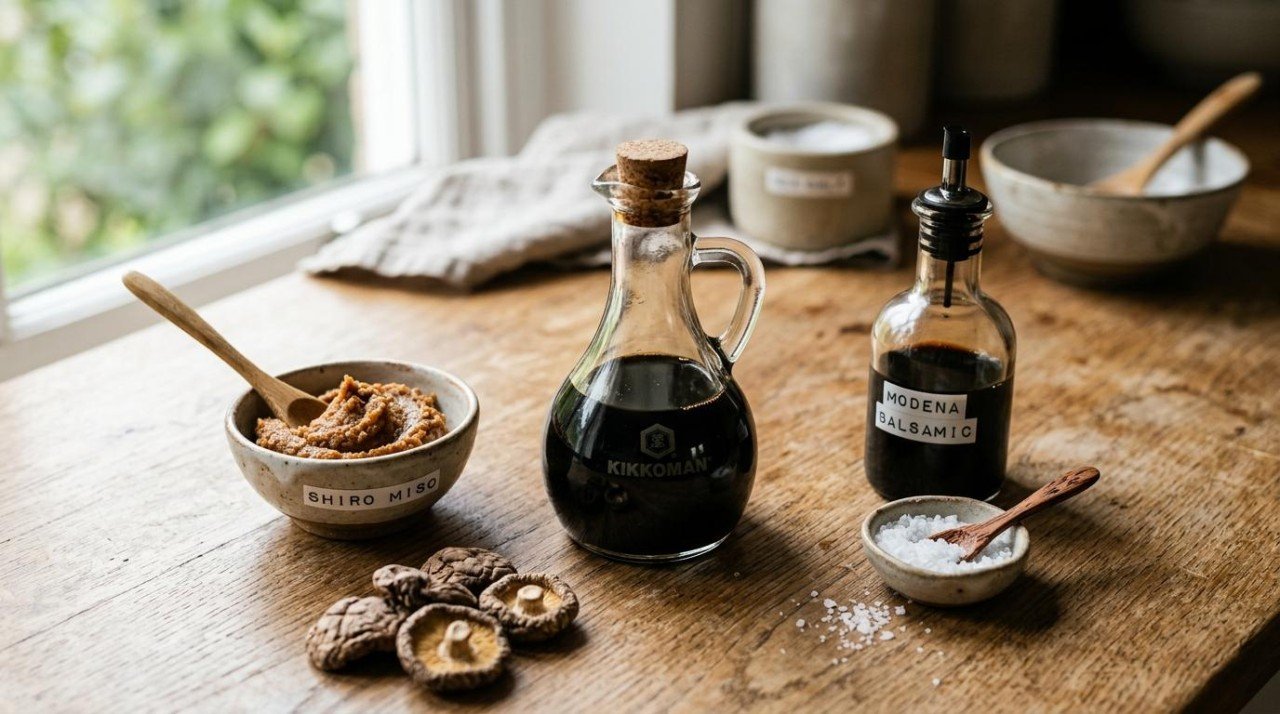
Miso is fermented soybean paste, so it delivers exactly the deep, savory umami soy sauce is prized for. Because it is a paste rather than a liquid, whisk it into a little warm water until smooth before adding, and expect to use roughly double the amount. It is at its best in dishes with some liquid and heat — miso soup is the obvious home, but it also makes an excellent glaze or marinade. Add it toward the end and avoid a hard boil to protect the flavor. White (shiro) miso is mild and slightly sweet; red miso is stronger and saltier.
Oyster Sauce
- Swap: 1:1, then cut any sugar the recipe calls for, since oyster sauce is sweeter and thicker
- Best for: Stir-fries, noodles, and fried rice
- Skip it for: Thin dipping sauces and shellfish allergies
- Health notes: Contains added sugar; similar sodium to soy sauce
Oyster sauce brings soy sauce's dark color and savory depth with an extra layer of sweet, briny richness, which is why it is a natural in Cantonese-style stir-fries. Swap it 1:1, but because it is thicker and sweeter, dial back any sugar in the recipe and be ready for a glossier, heavier sauce. It is not gluten-free in most cases, contains shellfish, and vegetarian oyster-flavored versions made from mushrooms exist if you need one.
Mushroom Broth or Dried Mushrooms
- Swap: Simmer dried shiitake or porcini in water, then reduce and salt to taste; use in place of the soy sauce liquid
- Best for: Vegetarian and vegan cooking, soups, braises, and sauces
- Skip it for: When you need the dark, salty punch immediately — this takes a little effort
- Health notes: The lowest-sodium option here; you control the salt entirely
Dried mushrooms are one of nature's richest sources of glutamate, the compound behind umami, which makes a concentrated mushroom broth a genuinely good savory stand-in with almost no sodium unless you add it. Soak or simmer dried shiitake or porcini, reduce the liquid to intensify it, then salt to taste. It will not replicate soy sauce's color or its instant salt-and-savory hit, so it works best in dishes with some cooking time. This is the same umami-building trick behind a lot of great vegetarian cooking, and it pairs well with a splash of vinegar for brightness.
Balsamic Vinegar Plus Salt
- Swap: Use roughly 1:1, with a pinch of salt, in dishes where soy sauce is a background note
- Best for: Marinades and dressings that want dark color and tangy depth
- Skip it for: Dishes where soy sauce is the star, and any Asian dish that should not taste of vinegar
- Health notes: Low in sodium on its own, so you control the salt
This is the true emergency swap: balsamic vinegar has the dark color and a fermented, faintly sweet depth that can echo soy sauce, but it is missing the salt and the distinct soy flavor, so add a pinch of salt and keep it to recipes where soy sauce plays a supporting role. It works surprisingly well in a marinade or a robust dressing and poorly in anything delicate or clearly Asian, where the vinegar tang gives it away. Think of it as a way to get color and savoriness when the pantry is nearly bare, not a true match.
The Healthier and Allergy-Friendly Picks
Most of these swaps trade one strong, salty sauce for another, so if the reason you are here is sodium, gluten, or soy, here is where they land:
- Lowest sodium: homemade mushroom broth (you salt it), then coconut aminos
- Gluten-free: certified tamari, coconut aminos, and liquid aminos
- Soy-free: coconut aminos and mushroom broth are the only two here that are truly soy-free
- Vegan: coconut aminos, mushroom broth, miso, and balsamic (skip fish sauce, Worcestershire, and oyster sauce)
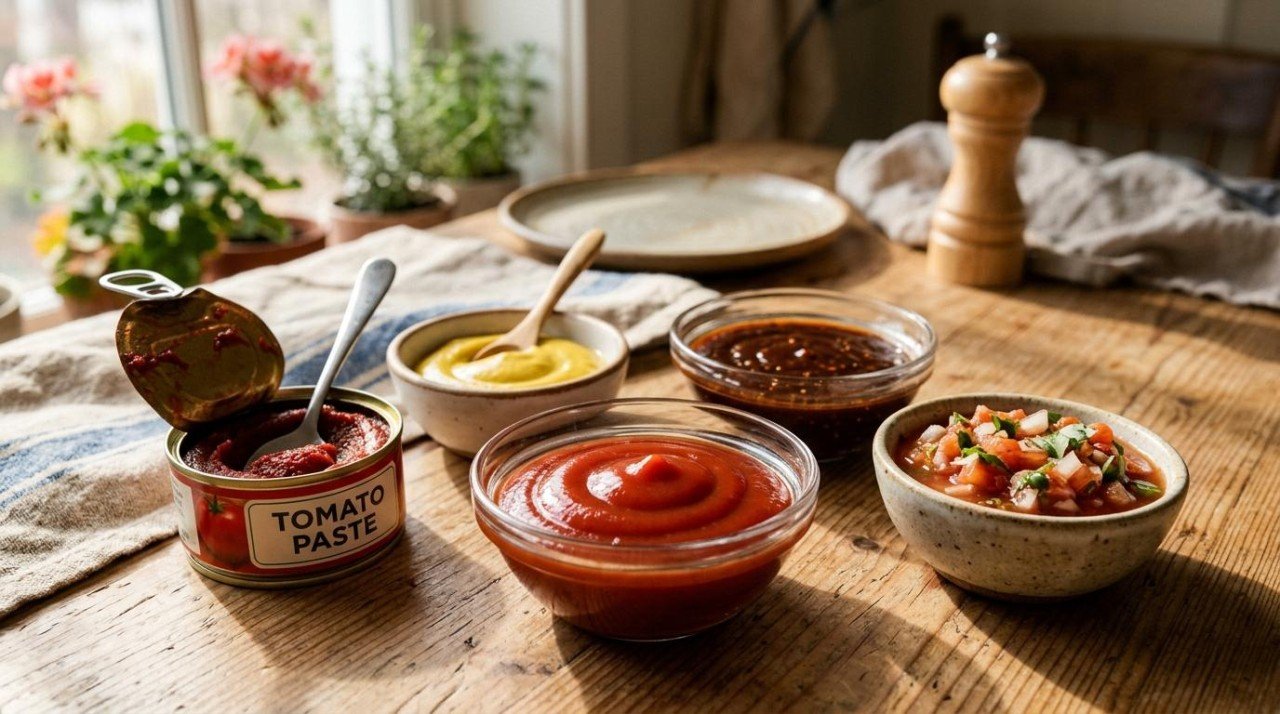
There is also a simpler move that does not require any special bottle: use less soy sauce and build umami from elsewhere. A little tomato paste, a sprinkle of dried mushrooms, aged Parmesan, or a pinch of MSG all add savory depth so you need far less salty liquid — the same principle behind why MSG can actually help you cut sodium. Reducing soy sauce is one of the highest-impact ways to lower a dish's sodium, since a couple of tablespoons can carry well over a gram of it.
Figuring out how a swap changes the numbers is exactly what Eat Well Planner is built for. Every recipe gets a nutrition score, and the Make It Healthier feature proposes swaps like coconut aminos for soy sauce and verifies the real sodium change with a calculator before you commit. The Recipe Playground lets you make the swap and watch the score move live, so you can see precisely what dropping from soy sauce to coconut aminos does to a stir-fry before you touch the pan.
Take the Guesswork Out of Eating Well
Eat Well Planner helps you organize your favorite recipes, plan balanced meals, and automatically generate shopping lists — all in one place. Whether you're tracking macros, managing dietary restrictions, or just trying to stop asking "what's for dinner?", we've got you covered.
Our AI-powered tools can adapt any recipe to your dietary needs, help you discover new meals you'll love, and even log your nutrition effortlessly. It's meal planning made simple.
Start Organizing Your Meals — FreeWhat Not to Use
A few common suggestions tend to disappoint:
- Teriyaki sauce as a 1:1 swap. It is soy-sauce-based but loaded with sugar and thickener, so it will make your dish sweet and sticky. Use it only where you actually want teriyaki flavor.
- Plain salt on its own. Salt covers the saltiness but none of the umami, which is half of what soy sauce does. If salt is all you have, pair it with something savory — tomato paste, mushrooms, or Parmesan.
- Regular soy sauce in a gluten-free dish. Standard soy sauce is brewed with wheat, so it is not safe for celiac diners even though it seems like a small amount. Reach for certified tamari or aminos instead.
- Balsamic in a delicate Asian dish. It works in a hearty marinade, but its vinegary tang stands out badly in a clean broth or a light stir-fry.
The through-line for soy sauce is that you are replacing two things at once, salt and umami, and the best swap depends on the dish. Want the closest all-purpose match? Reach for tamari, coconut aminos, or liquid aminos, all at 1:1. Cooking something hearty? Worcestershire, fish sauce, miso, or oyster sauce all bring depth. Cooking plant-based? Coconut aminos or a mushroom broth. Match the swap to the job and season to taste.
Not sure which one fits the exact recipe in front of you? That is what Eat Well Planner's AI recipe chat is for. Pull up your recipe, tell it you are out of soy sauce — or that it needs to be gluten-free or soy-free — and it will suggest the substitute that suits that dish, with your ingredients and method already in view. Ask it to rewrite the whole recipe gluten-free and the recipe variations feature can rework it end to end. Match the job, make the swap, and get back to cooking.