You are halfway through a batch of muffins, or a cake, or Sunday pancakes, and the carton in the fridge is empty. Or you are baking for someone who is vegan or allergic to eggs, and you need the recipe to work without them. Either way, the question is the same: what can you actually use instead?
Here is the thing that makes egg substitutes different from most swaps. An egg is not one ingredient doing one job. Depending on the recipe, it might be binding everything together, adding moisture and richness, or providing lift and structure. The right substitute depends entirely on which of those jobs the egg was hired to do. Use a binder where you needed lift and the cake stays flat; use a moisture swap where you needed structure and it turns to pudding.
So the whole trick is to figure out what the egg is doing, then match the substitute to that job. Below, the swaps are grouped by function, each with an exact ratio per egg, what it shines in, and where it falls short. One quick reassurance first: replacing a single egg is almost always seamless. It is when a recipe leans on three, four, or more eggs that things get tricky.
The Quick List
- Flax egg — the all-purpose binder for cookies, muffins, and quick breads
- Chia egg — same job as flax, slightly more gel and a milder taste
- Unsweetened applesauce — easy moisture for muffins, brownies, and quick breads
- Mashed banana — moisture plus binding, if you want a little banana flavor
- Plain yogurt or buttermilk — moisture and tenderness for cakes and muffins
- Silken tofu — neutral, protein-rich moisture for dense bakes
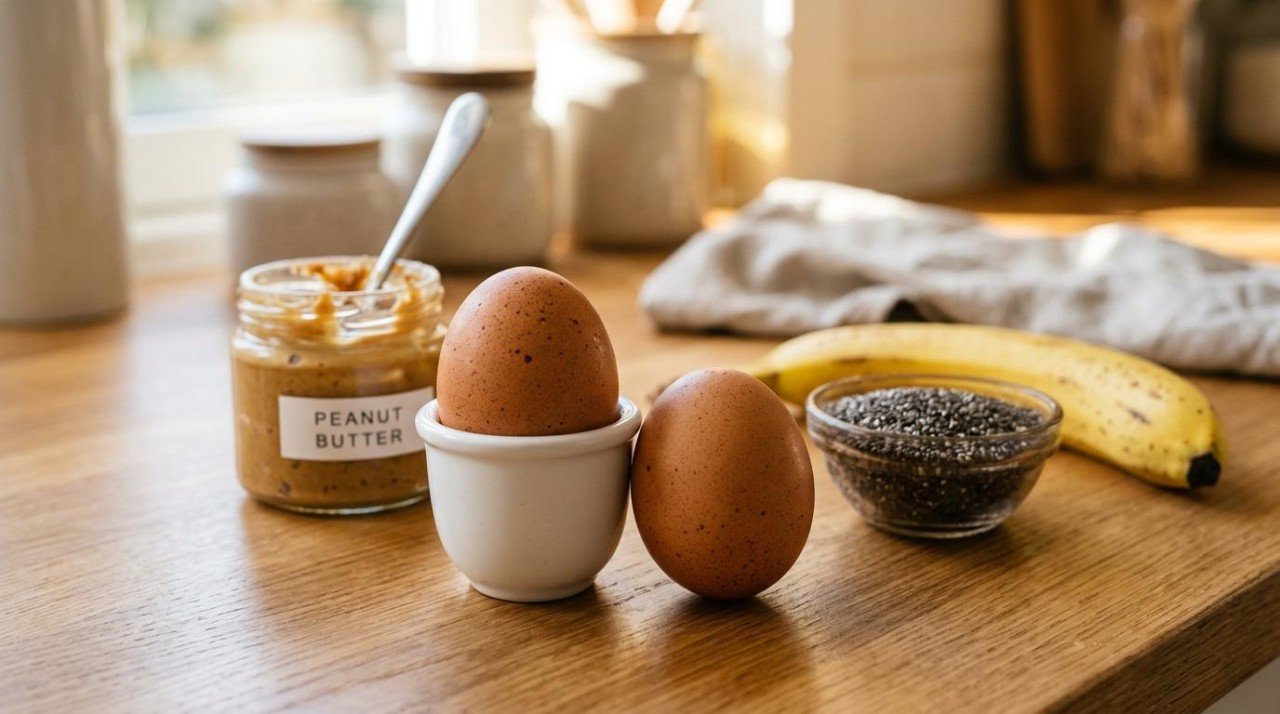
- Nut or seed butter — a sturdy binder that adds richness
- Aquafaba — the only swap that whips to peaks, for light and airy bakes
- Vinegar plus baking soda — pure lift for a single-egg cake or cupcake
- Commercial egg replacer — the reliable, do-it-all powder
First, Figure Out What the Egg Is Doing
Before you pick a swap, glance at the recipe and ask what would go wrong without the egg. There are three common answers, and most eggs do a bit of more than one:
- Binding — holding the crumb together so cookies and quick breads do not fall apart. Cookies, bars, veggie burgers, and dense muffins lean on this.
- Moisture and richness — keeping things tender and soft. Cakes, muffins, and brownies want this.
- Leavening and structure — trapping air for lift, and setting up as it bakes. Fluffy cakes, sponges, and meringues live or die by it.
The number of eggs matters just as much as the job. As King Arthur Baking puts it, the more eggs you replace, the more noticeably different the result will be. Swapping one egg is barely detectable. Two is usually fine. At three or more, or in a recipe where eggs are clearly the star, expect real changes. And a few things simply cannot be faked well without eggs: angel food cake, a classic sponge, custards, and true meringue all rely on eggs so completely that a substitute will not get you there. If that is what you are making, it is worth a trip to the store.
Binders: Flax and Chia Eggs
When the egg is mainly holding the crumb together, a gelled seed egg is the workhorse swap. Both flax and chia form a thick, egg-white-like gel when ground and soaked, and both quietly add fiber and omega-3 fats along the way.
Flax Egg
- Swap: 1 tablespoon ground flaxseed (flax meal) + 3 tablespoons water, stirred and rested 5 to 10 minutes until gloopy = 1 egg
- Best for: Cookies, brownies, bars, muffins, pancakes, and quick and yeast breads
- Skip it for: Light, fluffy cakes and enriched doughs like brioche — it binds but does not build structure
- Health notes: Adds fiber and plant-based omega-3s (ALA)
Use ground flaxseed, not whole seeds; whole ones will not gel or release much nutrition. The mixture should look thick and mucilaginous before it goes in. Flax carries a faint nutty, wholegrain taste that disappears into anything already earthy, like oatmeal cookies, banana bread, or bran muffins, which is exactly where it works best. It handles up to two eggs well; past that the binding gets weak and the crumb can turn gummy.
Chia Egg
- Swap: 1 tablespoon chia seeds + 3 tablespoons water, rested 5 to 15 minutes until gelled = 1 egg
- Best for: The same jobs as flax — cookies, muffins, quick breads, and bars
- Skip it for: Anything that needs to rise tall and airy
- Health notes: Fiber, omega-3s, and a little protein
Chia works just like a flax egg and tastes even milder, so it is the better pick when you do not want any nutty background flavor. Whole chia seeds leave tiny specks in the batter (think of the flecks in a chia pudding); if that bothers you, grind them first or use white chia. Otherwise the two are interchangeable, so reach for whichever jar is already open.
Moisture and Richness: Purees, Dairy, and Nut Butters
When the egg is there to keep a bake tender and moist rather than to bind or lift, you have the widest range of options, and most of them are already in your kitchen. The trade-off across this whole group is density: these swaps add softness but no air, so bakes come out a touch heavier and more fudgy. In brownies and muffins that is a feature. In a delicate cake it is a limitation.
Unsweetened Applesauce
- Swap: 1/4 cup applesauce = 1 egg
- Best for: Muffins, quick breads, brownies, single-layer and pound cakes
- Skip it for: Strictly savory bakes, and anything meant to be light and fluffy
- Health notes: Adds a little fruit and lets you cut some fat, too
Applesauce is the easiest moisture swap going, and it is famously good at replacing oil as well as eggs, so it does double duty in a batter. Use the unsweetened kind so you are not adding stealth sugar, and keep it to one or two eggs; more than that and the bake can turn dense and slightly gummy. Its faint sweetness makes it a poor fit for savory recipes, so save it for the sweet side.
Mashed Banana
- Swap: 1/4 cup mashed ripe banana (about half a medium banana) = 1 egg
- Best for: Muffins, quick breads, pancakes, and brownies
- Skip it for: Anything where banana flavor would clash, and light cakes
- Health notes: Adds potassium and fiber, plus natural sweetness
Banana binds and moistens at once, which makes it a great fit for hearty, rustic bakes. The obvious catch is flavor: banana tastes like banana, so it is wonderful in banana bread, oatmeal muffins, or chocolate brownies, and out of place in a vanilla layer cake. The riper and browner the banana, the better it mashes and the sweeter it bakes, so consider dialing back the recipe's sugar slightly.
Plain Yogurt or Buttermilk
- Swap: 1/4 cup plain yogurt (Greek or regular) or buttermilk = 1 egg
- Best for: Cakes, cupcakes, muffins, and quick breads
- Skip it for: Vegan baking, and recipes that need real lift from the egg
- Health notes: Adds a little protein and calcium; Greek yogurt adds the most protein
Cultured dairy brings moisture, tenderness, and a gentle tang, and its acidity gives baking soda something to react with, which nudges a little extra lift out of the batter. Plain Greek yogurt keeps the most protein; buttermilk is thinner, so cut back another tablespoon or two of liquid elsewhere. Both are baking-only swaps for the moisture role, not a way to leaven a tall cake on their own. Use plain and unsweetened so you are not tipping a savory quick bread sweet.
Silken Tofu
- Swap: 1/4 cup silken tofu, blended completely smooth = 1 egg
- Best for: Dense, moist bakes — brownies, pound cakes, quick breads, and hearty muffins
- Skip it for: Light, airy cakes, and anywhere you cannot blend it smooth
- Health notes: Vegan, neutral in flavor, and adds a bit of plant protein
Silken tofu is the quiet overachiever here: it is flavorless, vegan, and adds real moisture with a little protein. The one non-negotiable is texture. Blend or whisk it until it is perfectly smooth, with no lumps, or you will find bits of tofu in the finished bake. It leans dense, so it is happiest in fudgy brownies and sturdy loaves rather than sponges. If tofu has disappointed you before, our guide to cooking tofu so it tastes good is worth a read, though in baking its neutrality is the whole point.
Nut or Seed Butter
- Swap: 3 tablespoons smooth nut or seed butter (peanut, almond, sunflower) = 1 egg
- Best for: Cookies, bars, brownies, and dense muffins
- Skip it for: Cakes, and any recipe where the flavor would fight the rest
- Health notes: Adds protein and healthy fats, along with calories
Nut butter is a sturdy binder that doubles as richness, which makes it a natural in chewy cookies and fudgy bars, where a little extra fat is welcome. It brings a clear flavor of its own, so pair it thoughtfully: peanut butter in chocolate bars, almond in a coffee cake, sunflower seed butter when nuts are off the table. Because it is thick, you may need a splash more liquid to keep the batter from stiffening up.
Leavening and Structure: Aquafaba, Vinegar, and Egg Replacers
This is the hardest job to replace, because it is the one where the egg is really pulling its weight. If a recipe depends on beaten eggs for its rise, these are the swaps that stand a chance.
Aquafaba
- Swap: 3 tablespoons aquafaba = 1 whole egg; 2 tablespoons = 1 egg white
- Best for: Light, airy bakes, and the only real vegan route to meringue, macarons, and mousse
- Skip it for: Recipes needing a heavy binder or lots of richness
- Health notes: Nearly calorie-free; a great use for a can you would otherwise drain away
Aquafaba is the viscous liquid you pour off a can of chickpeas, and it is a small miracle: whipped with a mixer, it forms glossy peaks almost exactly like egg whites. That makes it the one substitute that can leaven, not just bind. Whip it to soft or stiff peaks before folding it in, add a pinch of cream of tartar to stabilize the foam, and lean on a little vanilla or almond extract so nothing tastes faintly of beans. Use the liquid from canned chickpeas rather than home-cooked, since the canned version is far more consistent.
Vinegar Plus Baking Soda
- Swap: 1 teaspoon baking soda + 1 tablespoon vinegar (white or apple cider) = 1 egg
- Best for: Fluffy single-egg cakes, cupcakes, and quick breads (this is the trick behind classic wacky cake)
- Skip it for: Replacing more than one egg, or any recipe that needs binding
- Health notes: No flavor, color, or calories added
When you mix baking soda and vinegar, they fizz into carbon dioxide on the spot, and that burst of gas gives cakes and cupcakes their lift. It is pure leavening, though; it does nothing to bind, so it only works where the rest of the recipe holds the crumb together. Stir it in last and get the batter into a hot oven right away, before the bubbles escape. Crucially, this is a one-egg fix: doubling or tripling it just leaves a soapy, off aftertaste, so do not scale it up.
Commercial Egg Replacer
- Swap: Follow the package (typically a spoonful of powder whisked with water per egg)
- Best for: Almost any everyday bake — cookies, cakes, muffins, and quick breads
- Skip it for: Recipes where eggs are the main event, like a true sponge
- Health notes: Usually starch-based and neutral; check the label for allergens
If you bake egg-free often, a boxed replacer (Bob's Red Mill and Ener-G are the common ones) is the most consistent option, engineered to mimic both binding and lift. It is flavorless and reliable, keeps for ages in the pantry, and takes the guesswork out. The only downsides are that you have to buy it ahead and it still will not carry a recipe built entirely around eggs. For a one-off swap, the ingredients above will serve you just as well.
The Healthier Angle: Swaps That Add Something
Most egg substitutes are chosen out of necessity, but a few genuinely upgrade what you are baking. Flax and chia eggs fold in fiber and plant-based omega-3 fats. Mashed banana and applesauce add fruit and let you trim some of the oil. Silken tofu and nut butter bring plant protein. Mashed beans, a lesser-known 1/4-cup-per-egg swap that extension nutritionists list for moist bakes like brownies, add both fiber and protein while counting toward your plant diversity for the week.
None of this turns a brownie into a salad, and it is not the point. It just means that if you are reaching for a substitute anyway, some choices quietly leave the bake a little more nourishing than the egg would have. This is exactly the kind of trade-off Eat Well Planner is built to make visible: every recipe gets a nutrition score, and the Make It Healthier feature suggests swaps like these and verifies the real nutritional change with a calculator before you commit, so you can see what trading eggs for flax or mashed beans actually does to the fiber and protein rather than guessing.
Take the Guesswork Out of Eating Well
Eat Well Planner helps you organize your favorite recipes, plan balanced meals, and automatically generate shopping lists — all in one place. Whether you're tracking macros, managing dietary restrictions, or just trying to stop asking "what's for dinner?", we've got you covered.
Our AI-powered tools can adapt any recipe to your dietary needs, help you discover new meals you'll love, and even log your nutrition effortlessly. It's meal planning made simple.
Start Organizing Your Meals — FreeWhat Not to Use
A few things get suggested online that tend to disappoint:
- Whole flax or chia seeds, unsoaked. The gel is the whole point. Grind and soak them, or they just sit in the batter as crunchy specks and do no binding.
- Extra baking powder alone to replace several eggs. It adds lift but nothing to bind or moisten, so a multi-egg cake collapses into a dry, crumbly mess.
- Piling on one swap to replace four eggs. A quarter cup of applesauce for one egg is great; a full cup for four turns the bake gummy and heavy. When a recipe needs that many eggs, the eggs are doing too much to fake.
- Sweetened applesauce or flavored yogurt in savory bakes. They tip the flavor sweet. Always use plain, unsweetened versions when the recipe is not a dessert.
The through-line for eggs is to match the job, not the look. Decide whether the egg was binding, moistening, or leavening, then pick the swap that nails that one thing: a flax or chia egg to bind, applesauce or yogurt to moisten, aquafaba or vinegar-and-soda to lift. And keep the count in mind, because one egg is easy and four is a different recipe.
Not sure which of these fits the exact recipe in front of you? That is what Eat Well Planner's AI recipe chat is for. Pull up your recipe, tell it you are out of eggs (or baking egg-free), and it will recommend the substitute that suits that bake, with your ingredients and method already in view. And if you are adapting a recipe to be fully vegan or egg-allergy-friendly, the recipe variations feature can rewrite the whole thing with the swaps worked in, so you are not adjusting it line by line. Match the job, make the swap, and get back to baking.