You open the cupboard for the can of tuna that was definitely there, and it is not. Or you are pregnant and wondering how much tuna is too much. Or someone at the table just will not eat it, and you still need lunch.
Canned tuna is one of the easiest pantry staples to replace, because it does one job: it brings cheap, already-cooked, flaky protein that soaks up mayo, lemon, or a cheese sauce. Plenty of other cans and leftovers do that job, and several of them carry more omega-3s and less mercury than the tuna they replace.
What decides the swap is the dish. A cold salad, a bubbling casserole, and a tangle of lemony pasta each need something a little different from the fish, so this guide marks every substitute by those three uses and finishes with a dish-by-dish cheat sheet.
The Quick List
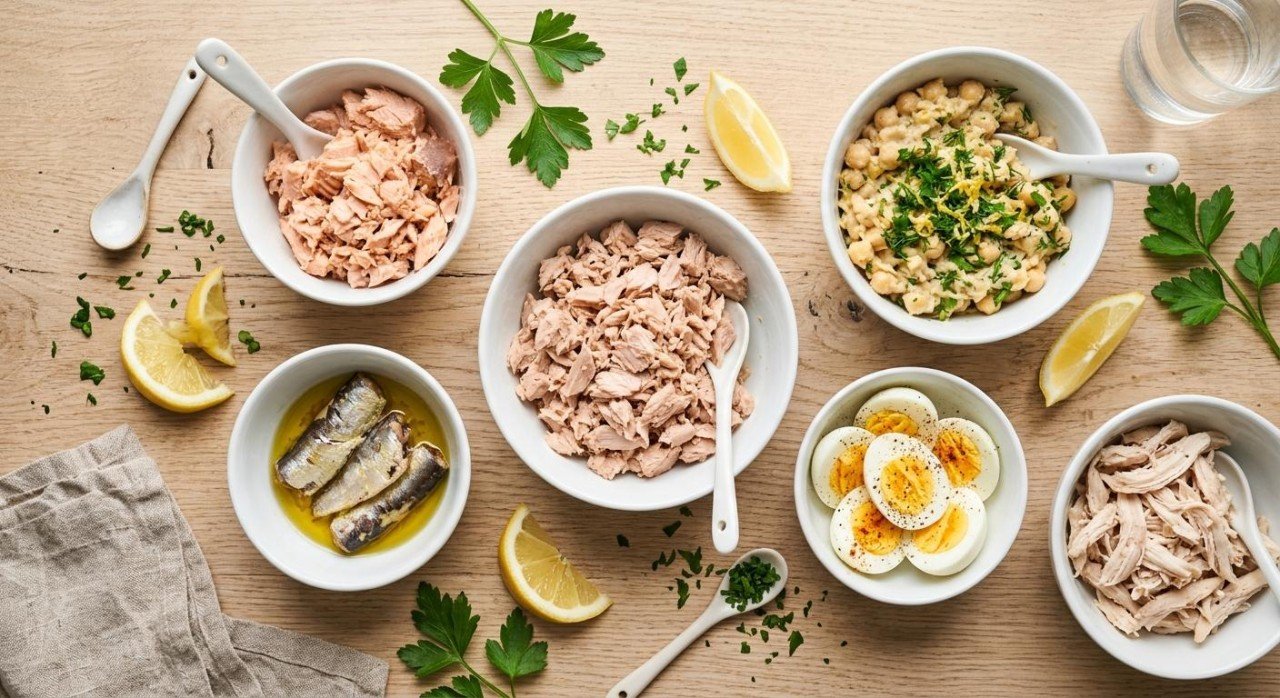
- Canned salmon — the closest all-purpose swap, with more omega-3s and far less mercury
- Canned chicken or leftover rotisserie chicken — the mildest swap, for anyone who does not like fish
- Canned sardines — bold, cheap, nutrient-dense; best in pasta and on toast
- Canned mackerel — richer than tuna, very high in omega-3s, great with acid
- Smoked or canned trout — the flavor upgrade for dips, pasta, and salads
- Leftover cooked fish — any baked salmon or white fish, flaked
- Cooked shrimp or canned crab — for salads, melts, and pasta when you want something sweeter
- Hard-boiled eggs — the no-can sandwich filling
- Smashed chickpeas — the classic plant-based "tuna" salad
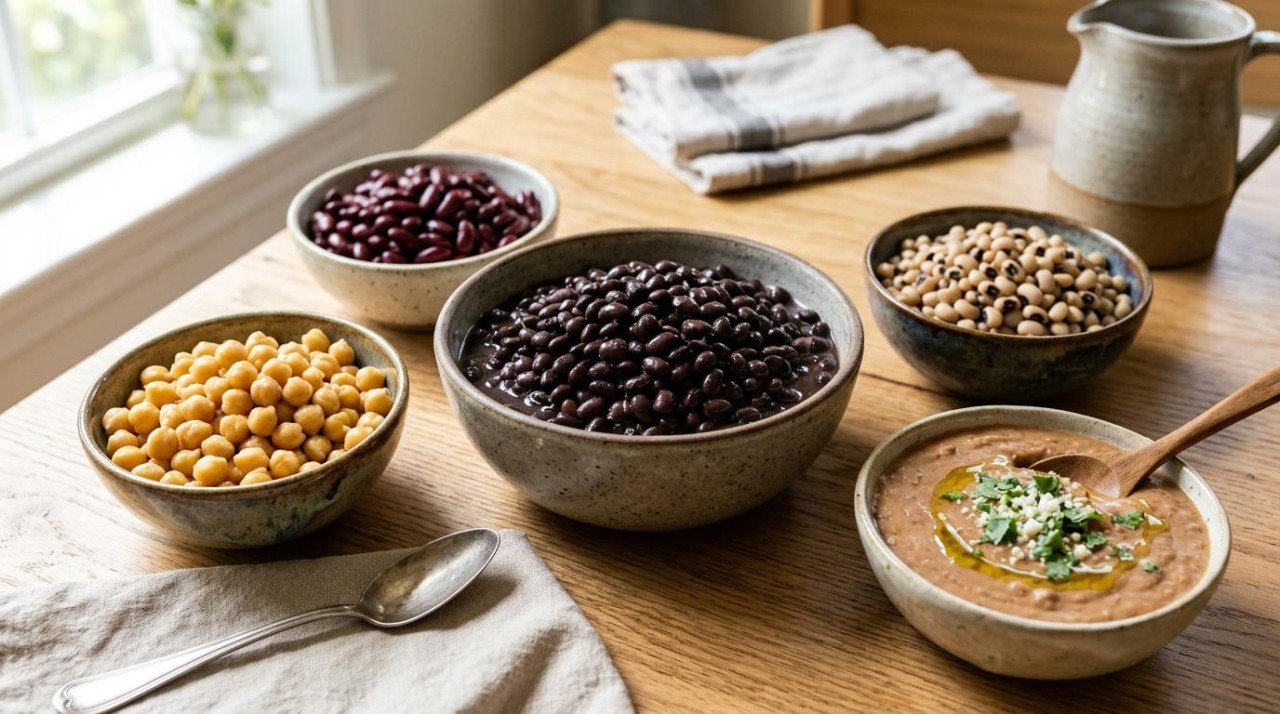
- White beans — creamy plant-based swap for pasta and Italian-style salads
- Crumbled extra-firm tofu — neutral plant protein for salads and casseroles
First: How Much Tuna Are You Actually Replacing?
A standard 5-ounce can gives you roughly 3.5 to 4 ounces of fish once it is drained, or a little over 1/2 cup flaked. That is the unit every ratio below works from. Most tuna salad recipes use one or two cans, and a tuna noodle casserole usually uses two.
Two details are worth checking before you swap. First, was the recipe written for water-packed or oil-packed tuna? Oil-packed tuna is richer, and Italian-style salads and pastas count on that oil, so a lean substitute needs a tablespoon of olive oil added back per can. Second, how much is the fish carrying? Canned light tuna is very lean, at about 86 calories, 19 grams of protein, and under 1 gram of fat per 100 grams drained. Most substitutes here carry more fat, so you can often use a little less mayo.
Swapping in Another Canned Fish
Canned Salmon
- Swap: One 5-oz can tuna → one 5- or 6-oz can salmon, drained. A 14.75-oz can of salmon replaces about three cans of tuna
- Best for: Salads and sandwiches, casseroles, melts, patties, pasta. All three uses
- Skip it for: Recipes where the tuna has to stay pale and invisible, like a very delicate cream sauce for picky eaters
- Health notes: About 117 calories, 20 grams of protein, 241 mg of calcium, and 0.92 grams of EPA and DHA per 3 ounces of canned pink salmon — roughly four times the omega-3s of light tuna, and the FDA's testing puts canned salmon at an average of 0.014 ppm mercury, against 0.126 for canned light tuna and 0.350 for albacore
If you keep one backup can in the cupboard, make it this one. Canned salmon flakes, mixes, and bakes almost exactly like tuna, with a slightly richer taste and a pinker color. In a tuna salad with celery, lemon, and mayo, most people notice that it tastes a bit "nicer," not that it is a different fish.
Buy it with the skin and bones in if you can find it. The bones are soft enough to mash with a fork and disappear into the mix, and they are where that calcium number comes from. Canned salmon is also a little drier than oil-packed tuna, so save a spoonful of the can liquid to fold back in. For fresh salmon swaps, see our salmon substitutes guide.
Canned Sardines
- Swap: One 5-oz can tuna → one 3.75- to 4.4-oz tin sardines, drained and broken up with a fork
- Best for: Pasta with garlic, lemon, and chili, toast, Mediterranean salads, anything with tomato or capers
- Skip it for: Mild tuna salad sandwiches for kids, and creamy casseroles where a strong fish flavor would take over
- Health notes: About 177 calories, 21 grams of protein, 325 mg of calcium, and 0.83 grams of EPA and DHA per 3 ounces drained, and about 0.013 ppm mercury, one of the lowest of any fish tested
Sardines win on nutrition and lose on subtlety. They taste more like the sea than tuna does, and they are softer, so they turn to paste if you stir them hard. That makes them a poor fit for a classic deli-style tuna salad and a great fit for the Italian-style uses: pasta with toasted breadcrumbs, a tomato sauce, a white bean salad.
Oil-packed sardines in olive oil are the easiest place to start. Drain them, pick out the spine if it bothers you (it is edible), and lean on acid: lemon, red wine vinegar, or capers. We make the full case for them in our sardines guide.
Canned Mackerel
- Swap: One 5-oz can tuna → about 4 oz drained canned mackerel. A 15-oz can of jack mackerel, drained and boned, covers two to three cans of tuna
- Best for: Fish cakes, pasta, rice bowls, spicy or vinegary salads, and toast
- Skip it for: Anyone fish-shy, and pale creamy dishes. It has a darker color and a fuller flavor
- Health notes: Canned jack mackerel runs about 132 calories, 20 grams of protein, 204 mg of calcium, and just over 1 gram of EPA and DHA per 3 ounces drained — the most omega-3s per ounce of any can on this page
Mackerel sits between tuna and sardines: meatier than sardines, richer than tuna, and stronger than both. The big cans of jack mackerel common in US grocery stores are cheap and come with skin and soft bones, which you can pick out or mash in. Smaller tins of Atlantic mackerel fillets in olive oil are milder and neater, and Atlantic mackerel is on the FDA's lowest-mercury "Best Choices" list.
Mackerel is especially good where tuna is mixed with something sharp: a mustardy fish cake, a pasta with chili and lemon, a rice bowl with soy and pickled onions.
Smoked or Canned Trout
- Swap: One 5-oz can tuna → about 4 oz flaked smoked trout or one tin of trout fillets, drained
- Best for: Dips and spreads, pasta, potato and grain salads, crackers, scrambled eggs
- Skip it for: Casseroles and melts with a lot of cheese, where its smoky flavor gets lost and you have paid extra for nothing
- Health notes: Trout is on the FDA's "Best Choices" list. Smoked fish is salty, so cut back the salt elsewhere in the dish
This is the swap that makes a tuna recipe taste fancier. Smoked trout is milder and less fishy than smoked salmon or mackerel, and it flakes into firm, moist pieces. Mixed with Greek yogurt, lemon, dill, and black pepper, it makes a spread that people ask about.
It is a pricier option, so save it for dishes where the fish is the star rather than buried under noodles and cheese.
Leftover Cooked Fish
- Swap: One 5-oz can tuna → about 4 oz cooked, flaked fish (roughly a 5-oz raw fillet)
- Best for: Salads, fish cakes, pasta, casseroles
- Skip it for: Nothing in particular. It just needs to be cooked through and well chilled before going into a cold salad
- Health notes: Depends entirely on the fish. Leftover salmon or trout adds omega-3s; cod and other white fish are leaner and lower in omega-3s than salmon
Last night's baked salmon or a piece of leftover cod makes a better tuna salad than the can does. It is moister and less salty, with a cleaner flavor. Flake it once it is cold, fold it in gently, and season a little more than you would with canned fish, since it has not been sitting in brine.
If you are cooking fish on purpose, bake one extra fillet. Our white fish guide covers which species stay firm enough to flake.
Cooked Shrimp or Canned Crab
- Swap: One 5-oz can tuna → about 4 oz chopped cooked shrimp, or one 6-oz can crab, drained
- Best for: Cold salads and sandwiches, melts, pasta, stuffed avocados
- Skip it for: Long-baked casseroles. Shrimp turns rubbery and crab loses its sweetness, so stir them in at the end
Shrimp and crab both give a salad a sweeter, more delicate flavor, closer to a seafood roll than a tuna sandwich. Chop shrimp into pea-sized pieces so it mixes like flaked fish, and pick through canned crab for bits of shell. Both are on the FDA's Best Choices list. More shrimp swaps are in our shrimp guide.
When You Want Something That Is Not Fish
Canned or Shredded Chicken
- Swap: One 5-oz can tuna → one 5-oz can chicken, drained, or about 3/4 cup shredded rotisserie or poached chicken
- Best for: Casseroles, melts, salads, wraps, pasta bakes. All three uses
- Skip it for: Any dish you were making for the omega-3s, and briny Mediterranean salads that need a sea flavor
- Health notes: Canned chicken has about 140 calories, 19 grams of protein, and 428 mg of sodium per 3 ounces, so it is saltier than light tuna. Home-cooked chicken is the lower-sodium choice
Chicken is the swap for the person who just does not like fish. Tuna salad becomes chicken salad, tuna melts become chicken melts, and tuna noodle casserole becomes chicken noodle casserole, a dish so common it barely counts as a swap.
Shredded rotisserie chicken tastes better than canned and holds together better in a casserole. Chop it finely if it is going into a salad, so it takes the dressing the way flaked tuna does. Lemon and a few capers or chopped pickles bring back some of the brightness the fish would have added.
Hard-Boiled Eggs
- Swap: One 5-oz can tuna → 3 large hard-boiled eggs, chopped
- Best for: Sandwiches, wraps, lettuce cups, and as half the protein in a tuna salad that is running short
- Skip it for: Casseroles and pasta, where chopped egg turns rubbery and loses the point
- Health notes: Each large egg has about 78 calories, 6 grams of protein, and 147 mg of choline, a nutrient that matters a lot in pregnancy. Eggs carry only a trace of omega-3s
The fastest answer to an empty tuna shelf is egg salad, and it works with nearly the same dressing. You can also stretch one can of tuna with two chopped eggs, which makes a creamier salad and a fuller sandwich for two.
Mash the yolks into the mayo first, then fold in the chopped whites. You get a smooth, rich dressing with no extra mayo needed. For a lighter version, our healthier egg salad sandwich shows which tweaks actually moved its nutrition score.
Plant-Based Swaps
Smashed Chickpeas ("Chickpea Tuna")
- Swap: One 5-oz can tuna → about 3/4 cup chickpeas, roughly half of a 15-oz can. One full can, drained, replaces about two cans of tuna
- Best for: Sandwiches, wraps, crackers, lettuce cups, stuffed tomatoes
- Skip it for: Casseroles and melts. It goes pasty and dry under heat
- Health notes: A drained 15-oz can of chickpeas carries about 352 calories, 18 grams of protein, and 16 grams of fiber. Tuna has no fiber at all, so this swap adds a lot of it, though with less protein per serving
Chickpea "tuna" is the best-known plant-based swap for a reason: smashed chickpeas look, mix, and hold dressing remarkably like flaked tuna. The key is texture. One popular version mashes about half the chickpeas and leaves the rest whole or chunky, warning not to over-mash, and calls for chilling the salad 30 minutes to an hour before eating.
The sea flavor comes from nori. That same recipe uses one finely chopped sheet of nori for two cans of chickpeas, or two sheets for a stronger seafood taste. Add capers or chopped pickles, celery, red onion, lemon, and mayo or Greek yogurt, and it makes a genuinely good sandwich in its own right. Our chickpeas guide has swaps if you are out of those too.
White Beans
- Swap: One 5-oz can tuna → about 3/4 cup cannellini or great northern beans, drained
- Best for: Pasta with lemon, garlic, and olive oil, Italian bean salads, grain bowls, toast
- Skip it for: Mayo-based deli salads, where white beans taste starchy instead of fishy
- Health notes: Like chickpeas, white beans add fiber that tuna does not have, and a new plant to your week
Italian cooking already pairs tuna and white beans, so dropping the tuna and keeping the beans is a natural move. In a pasta with olive oil, lemon zest, chili flakes, and parsley, white beans bring creaminess where tuna brings flake. A few chopped olives or capers, or a mashed anchovy if you eat fish, puts the savory, briny note back.
Mash a quarter of the beans against the pan so they turn into a light, creamy sauce. More options are in our cannellini beans guide.
Crumbled Extra-Firm Tofu
- Swap: One 5-oz can tuna → about 4 oz pressed extra-firm tofu, crumbled (a quarter of a 14- to 16-oz block)
- Best for: Salads and sandwiches, casseroles, pasta bakes
- Skip it for: Simple oil-and-lemon pastas, where plain tofu has nothing to contribute
Tofu has none of the chickpea's own flavor, which is a weakness in a sandwich and a strength in a casserole. Press it well, crumble it into small, uneven pieces, and season it hard: a little soy sauce, lemon, crumbled nori, and black pepper. Unlike chickpeas, it holds up in a baked tuna noodle casserole. See our tofu guide for firmness tips.
Take the Guesswork Out of Eating Well
Eat Well Planner helps you organize your favorite recipes, plan balanced meals, and automatically generate shopping lists — all in one place. Whether you're tracking macros, managing dietary restrictions, or just trying to stop asking "what's for dinner?", we've got you covered.
Our AI-powered tools can adapt any recipe to your dietary needs, help you discover new meals you'll love, and even log your nutrition effortlessly. It's meal planning made simple.
Start Organizing Your Meals — FreeWhich Swap for Which Dish
Tuna Salad, Sandwiches, and Wraps
- Closest match: Canned salmon, canned chicken
- Upgrade: Smoked trout, leftover baked salmon, shrimp or crab
- No fish: Hard-boiled eggs, chicken
- Plant-based: Smashed chickpeas with nori, crumbled tofu
Casseroles and Melts
- Closest match: Canned salmon, canned or shredded chicken
- Also good: Leftover white fish or salmon, canned mackerel in a bolder bake
- Plant-based: Crumbled tofu, white beans
- Avoid: Chickpea "tuna" (goes dry), shrimp (goes rubbery unless stirred in at the end)
If you are making the classic, our healthier tuna noodle casserole and healthier tuna melt both work with canned salmon or chicken swapped in, and show where the real nutrition gains in those dishes come from.
Pasta and Mediterranean Dishes
- Closest match: Oil-packed sardines, Atlantic mackerel fillets
- Milder: Canned salmon, smoked trout
- Plant-based: White beans with capers and lemon
- Tip: If the recipe used oil-packed tuna, add about 1 tablespoon of olive oil per can when using a water-packed substitute
Mercury, Pregnancy, and Omega-3s
Canned tuna is a perfectly good food and nothing here needs to be "fixed." But a lot of people searching for a substitute are doing so because of mercury, so here is the actual picture.
The FDA sorts fish into three tiers. Canned light tuna, including skipjack, is on the "Best Choices" list, while albacore (white) tuna, canned or fresh, and yellowfin are "Good Choices," and bigeye tuna is on the list to avoid. For anyone pregnant or breastfeeding, the FDA advises 2 to 3 servings a week from the Best Choices list, or 1 serving a week from Good Choices, with a serving being 4 ounces. So light tuna is fine in moderation during pregnancy. Albacore is the one to limit.
The swaps change the numbers a lot. In FDA testing, canned light tuna averages 0.126 ppm mercury and canned albacore 0.350 ppm, while canned salmon averages 0.014 and sardines 0.013. Canned salmon and sardines have roughly a tenth of the mercury of light tuna, and closer to a twenty-fifth of albacore's. They are also on the same Best Choices list, along with Atlantic mackerel, herring, trout, shrimp, and crab.
Omega-3s run the other way. Per 3 ounces drained, canned light tuna has about 0.23 grams of EPA and DHA, canned white tuna about 0.73 grams, sardines about 0.83, canned pink salmon about 0.92, and canned jack mackerel just over 1 gram. If you swap tuna for salmon, sardines, or mackerel, you get more omega-3s and less mercury. That is about as clear a win as nutrition offers.
For a broader look at how to eat fish regularly without worrying about mercury, see Fish Twice a Week Without the Mercury Worry, and for the full pregnancy picture, our trimester-by-trimester guide.
What Not to Use
- King mackerel. Sometimes sold as steaks next to the Atlantic mackerel, it is on the FDA's avoid list alongside swordfish, shark, and bigeye tuna. Canned mackerel in the US is usually jack or Atlantic mackerel, which is fine. Check the label.
- Imitation crab in a hot casserole. Fine cold in a salad, but it is mostly processed fish paste with starch and sugar. In a long bake it gets mushy and sweet.
- Chickpea "tuna" in a melt or casserole. It is excellent cold and disappointing hot. Use tofu or white beans for anything baked.
- Sardines in a classic deli tuna salad for a fish-skeptical crowd. Great fish, wrong job. Save them for pasta and toast.
- Swapping water-packed for oil-packed without adjusting. A pasta or Nicoise-style salad built on oil-packed tuna tastes flat with a lean substitute. Add back about a tablespoon of good olive oil per can.
Which One Should You Actually Use?
For most kitchens the answer is short. Canned salmon for anything you would make with tuna. Chicken when someone will not eat fish. Sardines or mackerel for pasta. Smashed chickpeas with a little nori when you want a plant-based sandwich.
The tricky cases are the ones tied to a specific recipe: a casserole with a sauce that might split, a salad dressing tuned to oil-packed fish, a family member with a shellfish allergy. That is where a general guide runs out and Eat Well Planner helps. Its AI recipe chat sees your actual recipe, so "I'm out of tuna, can I use the canned salmon in my pantry?" gets an answer about your dish, your quantities, and your sauce. If you want the swap built in permanently, say a pescatarian-to-vegetarian version or a lower-mercury version for pregnancy, Recipe Variations will rewrite the whole recipe with it.
And if the omega-3 trade above caught your eye, the Recipe Playground lets you swap tuna for salmon or sardines and watch the nutrition score change before you cook, so you can see exactly what a different can gets you.
Now go check the back of the cupboard. There is probably a can of salmon hiding behind the beans.