The fish is cut, the oil is heating, and the recipe says whisk in 1 cup of cold beer. Or the chili wants a bottle, the beer bread wants a can, and the stew wants a splash of stout — and there is no beer in the house. Or there is, but you do not drink, you are cooking for kids, or someone at the table has celiac disease and regular beer is off the menu.
Beer is easier to replace than it looks, but only once you know which of its jobs the recipe actually needs. In a batter, it is there for the bubbles. In beer bread, it supplies liquid, a little sugar, and a yeasty flavor that makes a quick bread taste like a yeast bread. In chili, stews, and braises, it brings malty depth, a touch of bitterness, and liquid to deglaze the pan. Those are three different problems with three different best answers.
So this guide is organized by use case. Find your dish, grab the substitute, and get back to the stove. There is also an honest note on alcohol cooking off, and a section on gluten-free beer for anyone avoiding gluten.
The Quick List
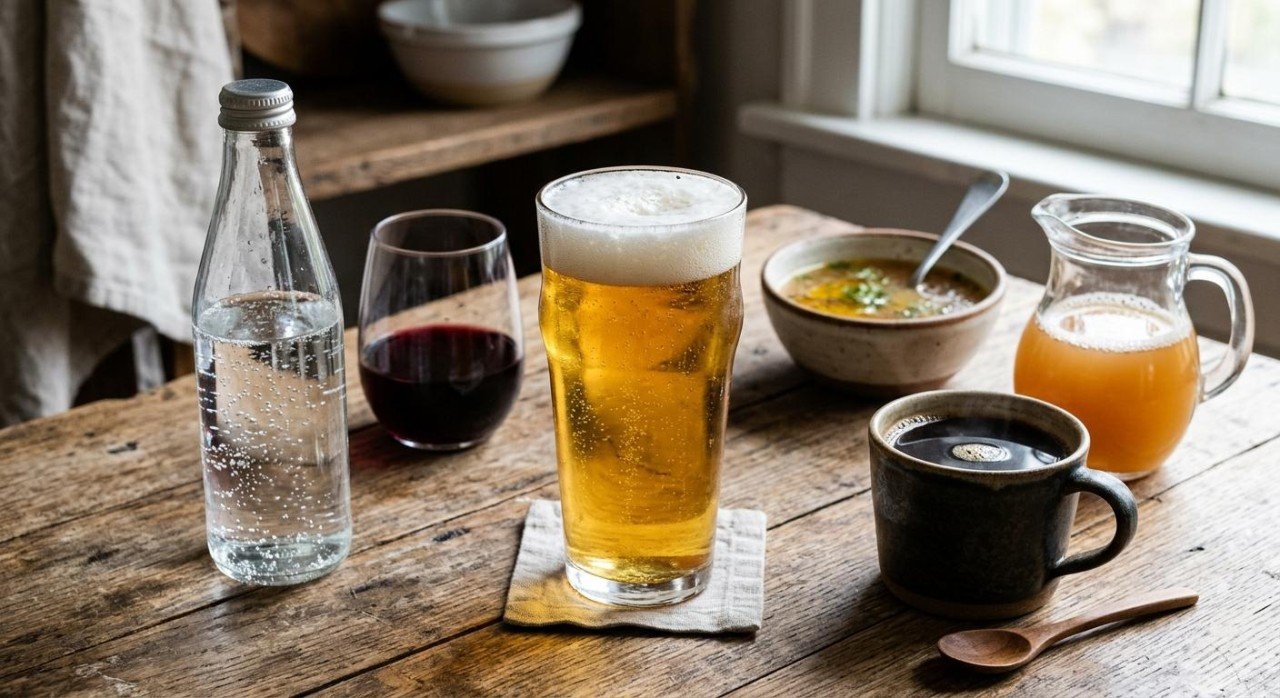
- Sparkling water, seltzer, or club soda — the best swap for beer batter; the bubbles are what matter
- Non-alcoholic beer — the closest all-purpose match for batter, bread, and stews
- Ginger ale or lemon-lime soda — sweet but reliable in beer bread and batter
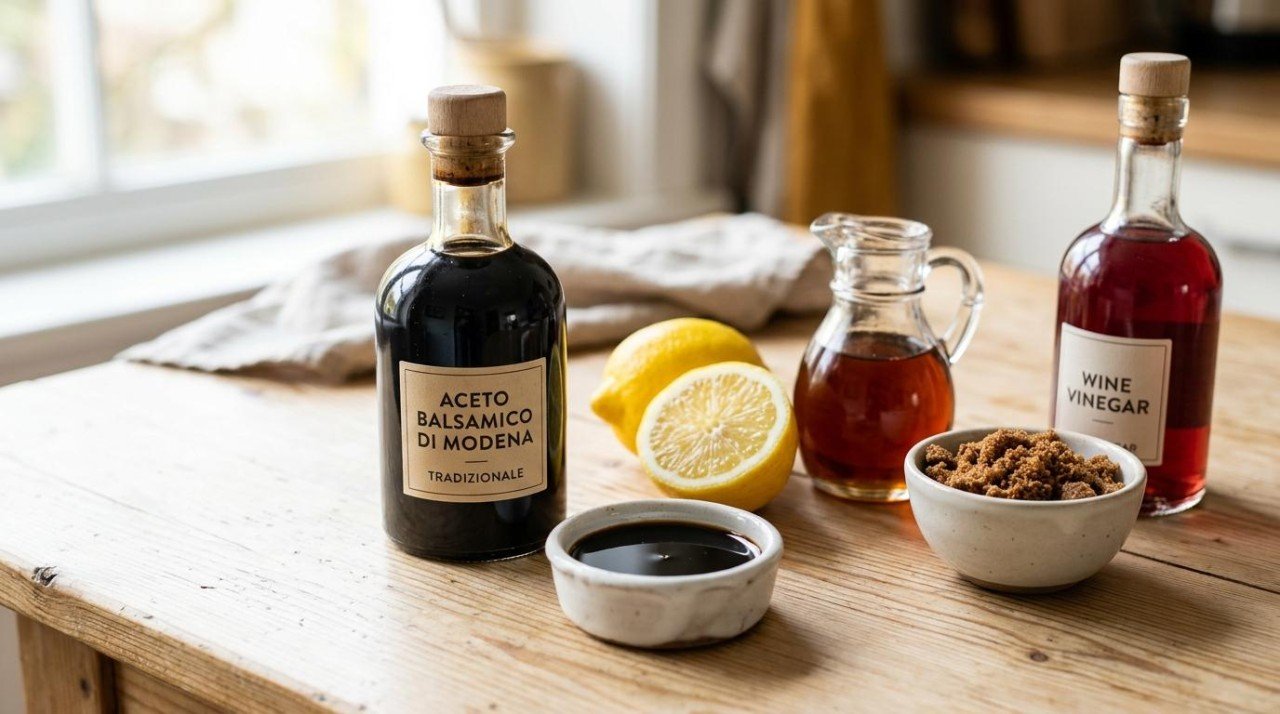
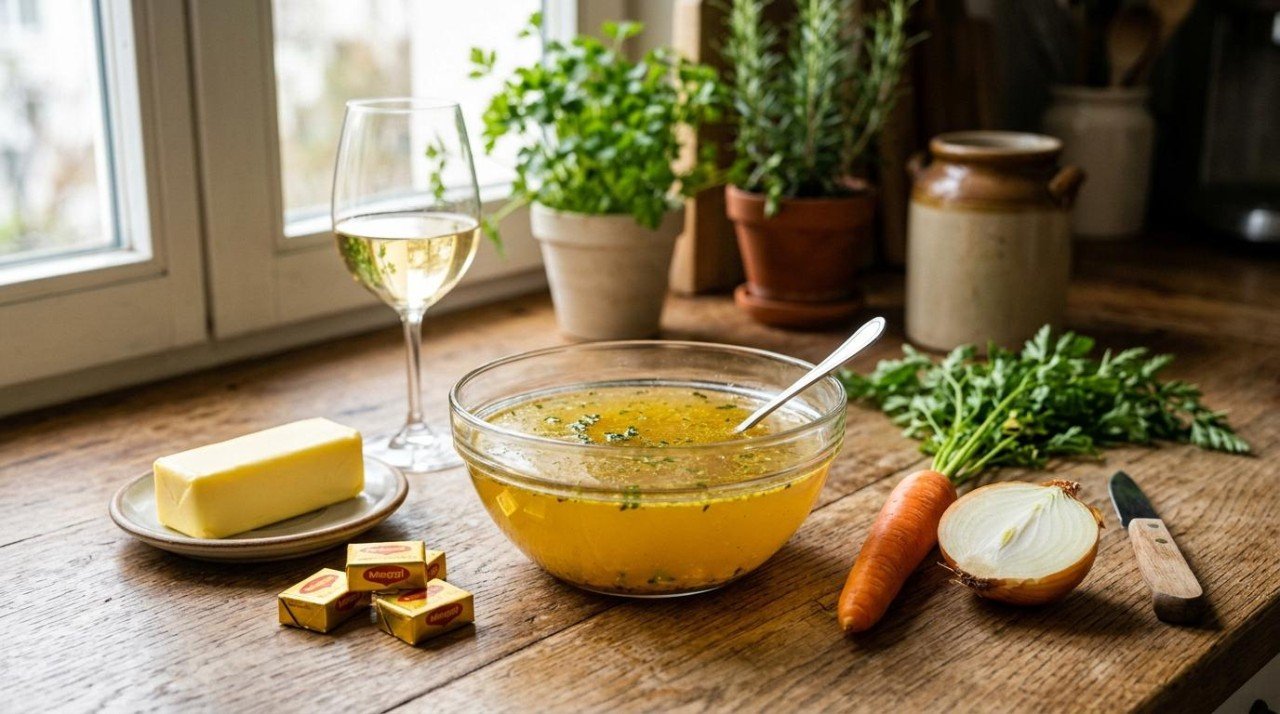
- Broth + a splash of vinegar — the standard fix for chili, stews, and braises
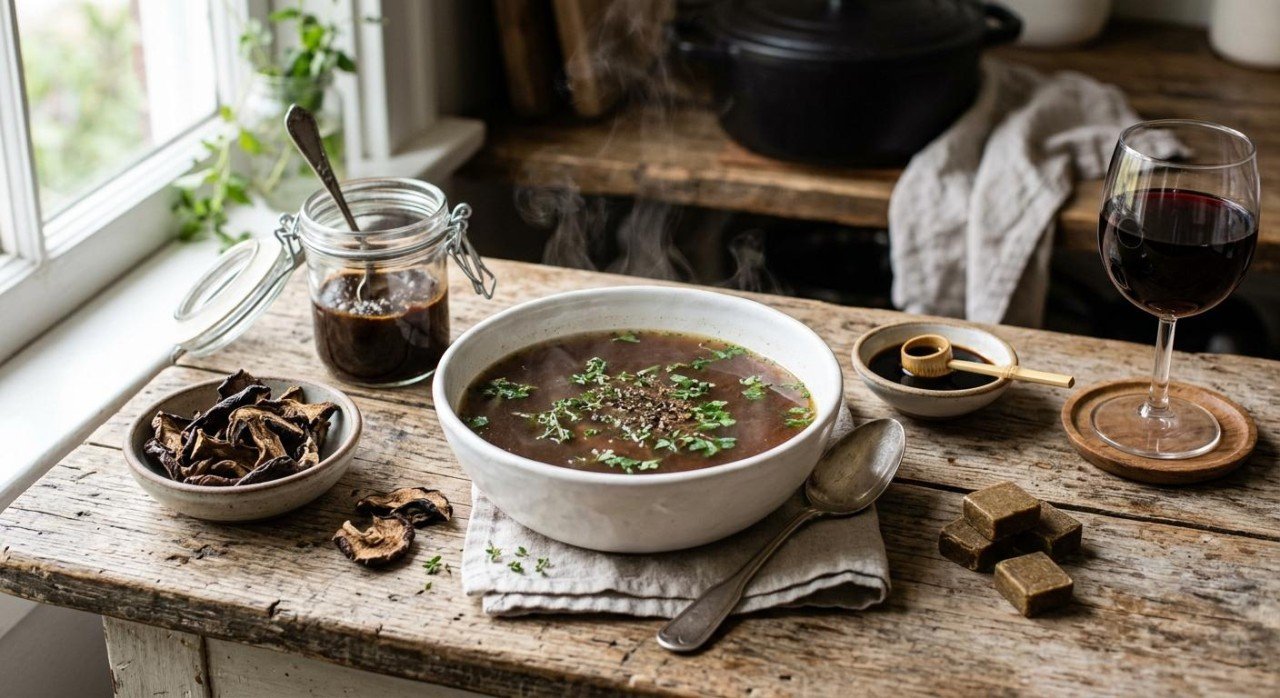
- Mushroom broth — the vegetarian pick for savory depth
- Red wine — the best stand-in for stout in beef stew (contains alcohol)
- Apple cider or hard cider — for brats, pork, and sausage braises
- Brewed coffee — the roasty, bitter note of a dark beer in chili
- Water + Marmite — the malty, yeasty flavor of beer in a teaspoon
- Gluten-free beer — a 1:1 swap for anyone avoiding gluten (but not "gluten-removed" beer)
First, the Truth About Alcohol Cooking Off
If you are swapping beer because of the alcohol, it helps to know that "it all burns off" is not true. The USDA Table of Nutrient Retention Factors includes measured alcohol retention by cooking method:
- Stirred into hot liquid: 85% retained
- Simmered or baked 15 minutes: 40% retained
- Simmered or baked 30 minutes: 35% retained
- Simmered or baked 1 hour: 25% retained
- Simmered or baked 2 hours: 10% retained
- Simmered or baked 2½ hours: 5% retained
A long braise loses most of it. A quick beer cheese sauce keeps most of it. And watch for recipes that add beer twice: Cook's Country's Guinness beef stew, for example, simmers ¾ cup of stout with the broth but stirs another ½ cup in at the end for fresh stout flavor, and that late addition barely cooks at all.
Regular beer is only about 5% alcohol, so the amount left in a serving of chili is small. But if you are pregnant, in recovery, avoiding alcohol for religious or medical reasons, or feeding children, use one of the alcohol-free options below. Note that even non-alcoholic beer is not necessarily zero: under US labeling rules, a malt beverage labeled "non-alcoholic" can contain up to 0.5% alcohol by volume, while "alcohol free" may only be used on products containing no alcohol at all. If you need truly zero, read the label.
For Beer Batter (Fish, Onion Rings, Tempura-Style Veggies)
Here is the good news first: the beer in beer batter is almost all about carbonation. When Cook's Illustrated fried fish in batters made with beer, non-alcoholic beer, seltzer, and plain water, every carbonated batch produced noticeably lighter, lacier crusts than plain water. The bubbles add lift as they escape in the hot oil, and carbonation makes the batter slightly acidic (most bubbly drinks sit around pH 4), which slows gluten formation and keeps the crust tender instead of tough. The alcohol in a 5% lager, they concluded, does very little.
Which means beer batter is one of the easiest beer swaps there is.
Sparkling Water, Seltzer, or Club Soda
- Swap: 1:1 — 1 cup beer → 1 cup very cold sparkling water
- Best for: Fish and chips, onion rings, battered shrimp, fried vegetables, tempura-style batters
- Skip it for: Beer bread or stews, where you want flavor, not just bubbles
- Health notes: Zero calories and no alcohol; club soda adds a little sodium, plain seltzer adds none
This is the swap most people should reach for, and it is not a compromise. The crust will taste a little cleaner and less malty, which many people actually prefer with delicate white fish. If you miss the beer flavor, a pinch of extra salt and a squeeze of lemon on the finished fish covers most of the gap.
Two technique rules matter more than the liquid itself. Use it ice cold straight from the fridge, and mix the batter right before frying with just a few strokes — lumps are fine. Bubbles escape fast, and a batter left sitting for 20 minutes fries up like the plain-water version. Use a freshly opened bottle; flat seltzer is just water.
Non-Alcoholic Beer
- Swap: 1:1
- Best for: Classic pub-style fish and chips where you want the malty beer flavor
- Skip it for: Strictly alcohol-free cooking unless the label says 0.0%
If you want the batter to taste like beer batter, this is it. It performed just like regular beer in the Cook's Illustrated test because it brings the same bubbles and acidity. Choose a light lager-style NA beer for batter; a dark or hoppy one will make the crust taste bitter and brown it unevenly.
Ginger Ale or Lemon-Lime Soda
- Swap: 1:1, and fry at the lower end of your recipe's temperature range
- Best for: Onion rings, battered vegetables, coconut shrimp — anywhere a hint of sweetness works
- Skip it for: Fish where you want a savory, neutral crust
Any carbonated drink gives you the lift, but sugary sodas add one complication: sugar browns fast. A soda batter will go deep golden before the inside is cooked if your oil runs hot, so watch the first piece closely. The faint ginger flavor is genuinely good on onion rings and sweet potato fries.
A note on vodka: some batter recipes swap part of the beer for vodka, and Cook's Illustrated notes hard liquor can make tempura-style batters more tender. That is a real technique, but it is not an alcohol-free swap, and for most home cooks plain cold seltzer gets you 90% of the way there.
For Beer Bread
Classic beer bread is a quick bread: self-rising flour, a little sugar, and a 12-ounce can of beer. The baking powder in the flour does the rising. The beer adds moisture, a bit of fizz, some sugar, and — most importantly — a yeasty, bready flavor that makes a no-knead loaf taste like it took more effort than it did. (No self-rising flour? See the self-rising flour substitutes guide.)
Non-Alcoholic Beer
- Swap: 1:1 — one 12-ounce can or bottle
- Best for: Any beer bread, plain or with add-ins like cheddar, herbs, or jalapeño
- Skip it for: Nothing — this is the closest match
Same flavor profile, same carbonation, much less alcohol. It is the only substitute here that keeps the bread tasting like beer bread. A darker NA beer gives a deeper, almost rye-like loaf; a light lager keeps it mild.
Ginger Ale or Lemon-Lime Soda
- Swap: 1:1 — one 12-ounce can
- Best for: Sweeter loaves, honey or cinnamon variations, kid-friendly bread
- Skip it for: Savory cheddar-and-herb loaves, unless you cut the sugar
This one has a following. Yankee Magazine's 7-Up bread was born when the author swapped soda for the beer in a beer bread recipe they did not like: 3 cups self-rising flour, ½ cup sugar, 2 tablespoons honey, and one can of 7-Up, baked at 350°F for 45 to 60 minutes. The result is softer and sweeter than beer bread — closer to a tea loaf. If you are adapting a savory beer bread recipe instead, keep the recipe's sugar as written or reduce it slightly, since the soda already brings plenty.
Sparkling Water
- Swap: 1:1 — 12 ounces
- Best for: Savory loaves with strong add-ins (sharp cheddar, garlic, herbs, olives) that carry the flavor
- Skip it for: A plain loaf where the beer flavor is the point
It works structurally — the baking powder does the rising either way — but the loaf will taste plain, because you have removed the only flavorful liquid in the recipe. Lean on add-ins: a cup of shredded sharp cheddar, a tablespoon of chopped herbs, or a teaspoon of garlic powder makes the swap invisible. A tablespoon of honey helps the crust brown.
For Chili, Stews, and Braises
In a long-simmered dish, beer is a flavoring liquid. It deglazes the browned bits off the pan, adds malty sweetness and a slight bitterness, and becomes part of the sauce. America's Test Kitchen's advice on choosing beer for cooking sums up what you are replacing: mild lagers and pilsners for most stews, stout when a dish needs deep, roasty flavor, and never hoppy IPAs, which turn overwhelmingly bitter in recipes. So first figure out which kind of beer your recipe wants, then pick the matching substitute.
Broth + a Splash of Vinegar
- Swap: 1 cup beer → 1 cup broth + 1 teaspoon apple cider vinegar (add the vinegar near the end, then taste)
- Best for: Chili, beef stew, pot roast, pulled pork, braised chicken — nearly any savory dish that uses a lager
- Skip it for: Batter (no bubbles) or beer bread (no yeasty flavor)
- Health notes: Regular broth adds a lot of sodium; low-sodium is the better pick
This is the answer most of the time. Broth covers the liquid and savory depth; the vinegar adds back a little of beer's tang. Use beef broth for beef chili and stew, chicken broth for poultry and pork, and vegetable broth to keep it meat-free. Add the vinegar late — its brightness fades over a long simmer — and start small, since a heavy hand turns a stew sour.
Want a little of beer's malty sweetness back? Stir in ½ teaspoon of brown sugar or molasses per cup of broth and taste. That is the same trick Cook's Country uses even with stout, adding brown sugar to their Guinness stew to balance bitterness and add molasses-like depth.
Mushroom Broth
- Swap: 1:1
- Best for: Vegetarian and vegan chili, bean stews, mushroom stroganoff, lentil braises
- Skip it for: Light dishes where you want a clean, mild lager flavor
Mushroom broth is the vegetarian upgrade over plain vegetable broth. It is earthy and deeply savory, which reads as "rich" in the same way a dark beer does, and in a chili taste test by Pantry & Larder it scored among the top beer substitutes alongside non-alcoholic beer, broth, and wine. A teaspoon of soy sauce per cup deepens the color.
Non-Alcoholic Beer
- Swap: 1:1, matching the style (NA lager for lager, NA stout for stout)
- Best for: Recipes where beer is the headline — beer cheese, beer-braised brats, Guinness stew, carbonnade
- Skip it for: Strictly alcohol-free cooking unless labeled 0.0%
When the beer flavor is the whole point of the dish, nothing else gets as close. Non-alcoholic stouts have gotten genuinely good, which makes them the easy answer for St. Patrick's Day stew. Beer cheese dip is the dish where this matters most, because it barely simmers — regular beer stirred into hot cheese sauce keeps most of its alcohol.
Red Wine (for Stout)
- Swap: 1:1 — 1 cup stout → 1 cup full-bodied red like cabernet, malbec, or shiraz
- Best for: Guinness beef stew, short ribs, hearty beef braises
- Skip it for: Alcohol-free cooking, and light lager-based dishes
Stout brings dark, roasty richness, and a heavy red wine is the closest match in body. Tasting Table recommends swapping cup for cup and adding it early as a deglazer after searing the meat. The stew will taste more like boeuf bourguignon than an Irish pub stew — fruitier, less bitter — but it is excellent. If you have no wine either, see the red wine substitutes guide.
Apple Cider or Hard Cider
- Swap: 1:1 for hard cider; for sweet apple cider, use ¾ cup cider + ¼ cup broth per cup of beer
- Best for: Beer brats, pork shoulder, sausages, chicken thighs, cabbage
- Skip it for: Beef chili and dark stews, where it tastes out of place
Pork and apple are a classic pairing, so cider is a natural swap in any pork or sausage recipe that calls for lager. Hard cider is the better flavor match — dry, yeasty, and acidic like beer — but contains alcohol. Sweet, non-alcoholic apple cider works too; cutting it with a little broth keeps the dish savory rather than dessert-like, and a splash of vinegar at the end sharpens it.
Brewed Coffee
- Swap: Up to 1:1 in chili; in stews, start by replacing half the beer with coffee and the rest with beef broth
- Best for: Beef chili, black bean chili, dark stews, barbecue braises — anywhere a stout or porter was called for
- Skip it for: Lager-based dishes, chicken, and seafood
Dark beer and coffee share the same roasted bitterness, so coffee is a surprisingly good stout substitute in robust dishes. It scored 9 out of 10 in the Pantry & Larder chili test at a straight 1:1 swap. Use regular-strength coffee, not espresso, and pair it with plenty of spices and tomato. In a stew, a full cup of coffee can dominate, so splitting it with broth is the safer starting point.
Water + Marmite
- Swap: 1 cup beer → 1 cup hot water + about 1 teaspoon Marmite, dissolved, then taste
- Best for: Stews, gravies, chili, and pies when you want beer's malty, yeasty flavor specifically
- Skip it for: Batter or bread, and anyone watching sodium closely
Marmite is made from brewer's yeast — a byproduct of brewing — so it carries the same savory, malty, yeasty notes as beer. A little goes a very long way, and it is salty, so cut back on other salt in the recipe. Vegemite works the same way.
Quick Answers by Dish
- Fish and chips: Ice-cold seltzer or NA lager, mixed right before frying
- Onion rings: Seltzer or ginger ale
- Beer bread: NA beer for the real thing; 7-Up or ginger ale for a sweeter loaf
- Beef chili: Beef broth + vinegar, or brewed coffee for a dark-beer recipe
- Vegetarian chili: Mushroom broth
- Guinness stew: NA stout, red wine, or half coffee and half beef broth
- Beer brats: Apple cider cut with broth, or hard cider
- Beer cheese dip: NA beer — it is the one dish where regular beer's alcohol barely cooks off
- Beer-steamed mussels: NA beer, or chicken broth plus a squeeze of lemon
Gluten-Free Beer for Celiac Disease
- Swap: 1:1 for regular beer in any recipe
- Best for: Anyone with celiac disease or gluten sensitivity who still wants real beer flavor
- Skip it for: Nothing — but read the label carefully
Regular beer is brewed from barley (and sometimes wheat), so it is not safe for people with celiac disease. True gluten-free beers are brewed from grains that naturally lack gluten, like sorghum, rice, or millet, and work as a 1:1 swap anywhere in this guide.
The trap is "gluten-removed" or "crafted to remove gluten" beer. These are brewed from barley, then treated with an enzyme that breaks gluten into smaller fragments. In a 2017 study from the Gluten Intolerance Group run at the University of Chicago Celiac Research Center, blood from people with active celiac disease did not react to gluten-free beer, but some samples did react to gluten-removed beer — suggesting residual gluten fragments remain. The FDA does not allow gluten-removed beer to be labeled "gluten-free" for exactly that reason. If you are cooking for someone with celiac disease, choose a beer made without barley.
And remember the rest of the recipe: beer batter and beer bread are made with wheat flour, so swapping the beer alone does not make them safe. Pair gluten-free beer (or seltzer, which is naturally gluten-free) with a gluten-free flour blend or rice flour. If you are new to this, our guide to the first 30 days after a celiac diagnosis covers the hidden sources of gluten worth knowing.
The Healthier Angle: It Is Not the Beer, It Is the Broth
Swapping out beer does not transform a recipe nutritionally. A 12-ounce lager has about 150 calories, and most of those come from the alcohol, much of which leaves during a long simmer. Spread across six bowls of chili, the beer is a rounding error.
The substitute can matter more than the beer did. Regular ready-to-serve chicken broth runs about 924 mg of sodium per cup by USDA figures, roughly 40% of the 2,300 mg daily limit, before you have salted anything; the USDA low-sodium version is about 72 mg. If you are replacing a full bottle of beer with broth, choose low-sodium broth and season at the end, once the stew has reduced and you can taste what it actually needs. The splash of vinegar helps here too: acid makes food taste more seasoned, so you need less salt to get the same impact.
For batters, the biggest nutrition lever is not the liquid at all — it is the frying. If you love fish and chips but want it more often, our healthier fish and chips makeover shows exactly which changes move the numbers. And if chili is your beer recipe of choice, the healthier beef chili makeover adds beans and vegetables in ways that pay off far more than any liquid swap.
Not sure which substitute fits your recipe? That is where a general guide runs out. In Eat Well Planner, you can open the actual recipe and ask the AI recipe chat, "I don't have beer — what should I use here?" It knows whether you are making a batter, a bread, or a braise, and answers for that dish. Or use Recipe Variations to rewrite the whole recipe alcohol-free or gluten-free in one step, with every swap already worked in.
Take the Guesswork Out of Eating Well
Eat Well Planner helps you organize your favorite recipes, plan balanced meals, and automatically generate shopping lists — all in one place. Whether you're tracking macros, managing dietary restrictions, or just trying to stop asking "what's for dinner?", we've got you covered.
Our AI-powered tools can adapt any recipe to your dietary needs, help you discover new meals you'll love, and even log your nutrition effortlessly. It's meal planning made simple.
Start Organizing Your Meals — FreeWhat Not to Use
- A hoppy IPA in place of a lager. Bitterness concentrates as liquid reduces. America's Test Kitchen calls IPAs overwhelmingly bitter in recipes — a fine beer to drink, a bad one to braise with.
- Plain tap water in batter. It works, but the crust comes out denser and heavier. The bubbles are the point.
- Flat or warm seltzer. Once the bubbles are gone, it is plain water. Use a freshly opened, ice-cold bottle.
- Straight vinegar or lemon juice at 1:1. Far more acidic than beer. Use a teaspoon in broth, never a full cup.
- A full cup of cola in a savory dish. Cola can work in chili, but it is very sweet. Use it for part of the liquid at most, and skip it in stews.
- "Gluten-removed" beer for celiac disease. It is still barley beer. Choose one brewed from sorghum, rice, or millet instead.
- Non-alcoholic beer when you need zero alcohol. "Non-alcoholic" allows up to 0.5%. Look for "alcohol free" or 0.0% on the label.
The Bottom Line
Match the substitute to beer's job. In batter, it is bubbles — use ice-cold seltzer. In beer bread, it is flavor — use non-alcoholic beer or a sweet soda. In chili and stews, it is depth — use broth with a splash of vinegar, mushroom broth, red wine for stout, or cider for pork. And if gluten is the reason, make sure it is truly gluten-free beer, not gluten-removed.
Most of the time, nobody at the table will know the beer is missing.