Somewhere between the first spoonful of pureed carrots and the first flat refusal of anything green, a lot of parents quietly conclude that picky eating is just the deal with small children. You cook two dinners: the real one for the adults, and the beige one — plain pasta, chicken nuggets, buttered toast — for the kid who would rather starve than let a piece of broccoli touch the plate.
Here is the more hopeful truth buried in the research: a surprising amount of how adventurously a child eats is shaped in the first couple of years, before strong food habits harden. You cannot guarantee a kid who devours olives and kimchi — temperament and genetics play a real role — but you can dramatically improve the odds by doing a handful of things early and consistently. Think of it as planting seeds rather than flipping a switch. This is a guide to planting well.
Taste starts before the first bite of solid food
Flavor learning begins startlingly early — before a baby has ever been handed a spoon. Amniotic fluid and breast milk both carry flavors from the mother's diet, which means a baby is effectively sampling the family cuisine from the womb onward.
The cleanest demonstration of this comes from a classic randomized trial published in the journal Pediatrics. Researchers assigned pregnant women to drink either carrot juice or water during the last trimester and the first months of breastfeeding. Later, when their babies were around six months old and tried carrot-flavored cereal for the very first time, the infants who had been exposed to carrot flavor — either prenatally or through breast milk — made significantly fewer negative faces than babies who had only ever known water. As the authors put it, "prenatal and early postnatal exposure to a flavor enhanced the infants' enjoyment of that flavor in solid foods during weaning."
The practical takeaway is gentle but real: if you are pregnant or nursing, eating a varied, flavorful diet full of vegetables, herbs, and spices is quietly doing your future toddler a favor. There is no need to blandify your own plate. The garlic, cumin, and greens you enjoy are laying down a familiarity that makes those flavors an easier sell down the road.
The weaning window: go for variety and texture early
Once solids begin — generally around six months, on your pediatrician's guidance — you have a genuine window of opportunity. Babies at this stage are often more open to new tastes than they will be as older toddlers, when a natural wariness of unfamiliar foods (food neophobia) tends to peak.
Two things matter most in this window: variety and texture.
On variety, a striking longitudinal study followed children from five months to six years of age. Early on, some babies got only carrot puree day after day, while others got a rotating variety of vegetables — carrot, then artichoke, then green beans, then pumpkin. The effect of that early variety was still visible five and a half years later. At six years old, the children who had experienced high vegetable variety as babies liked new vegetables more, ate more of them, and were more willing to taste unfamiliar ones than kids who had gotten little or no variety. Offering a range of vegetables early seems to teach babies a broader lesson: new food is normal and worth trying.
There is also good evidence for leading with vegetables specifically. In a randomized controlled trial of 117 infants in Auckland, New Zealand, babies who started complementary feeding with vegetables only — no sweet fruits first — ate more broccoli and spinach at nine months of age than babies in the standard fruit-and-vegetable group. Because babies are born primed to like sweetness, giving savory vegetables a head start, before fruit sets the bar, gives them a fair shot at acceptance.
Texture is the other half of the window, and it is the part people most often miss. It is tempting to keep serving smooth purees because they feel safe, but babies also need to learn to manage lumps, soft chunks, and finger foods. In a large study drawing on the Avon Longitudinal Study of Parents and Children, researchers found that babies introduced to lumpy solids late — at ten months or older — were more difficult to feed and had more definite food likes and dislikes than those who met lumps between six and nine months. Moving through textures on a reasonable timeline, rather than staying stuck on puree, appears to support a more flexible eater later.
Repeated exposure is the whole game
If there is one idea to tattoo on your brain, it is this: a baby or toddler rejecting a food once tells you almost nothing. Acceptance is built through repetition, and the number of tries required is higher than most parents expect.
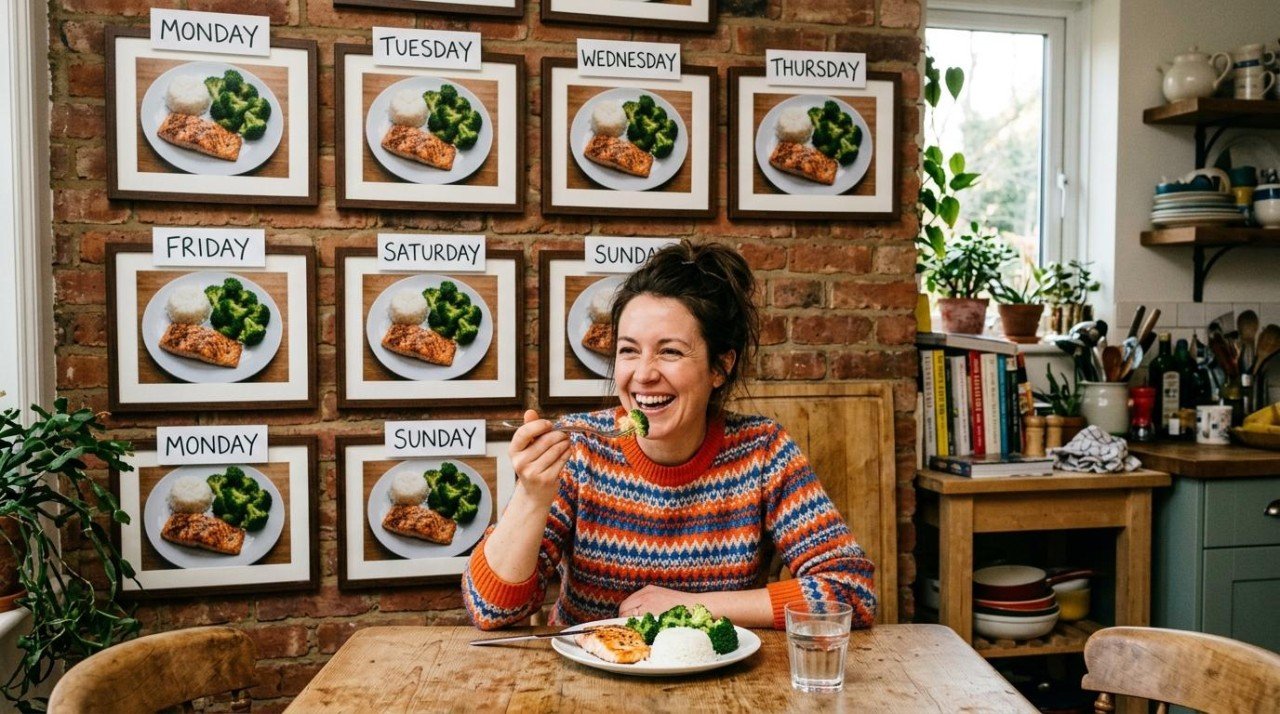
A systematic review of the research on infant and toddler feeding concluded that tasting a vegetable or fruit roughly 8 to 10 or more times is likely to increase how well a child accepts it. Some kids come around faster; some foods never win them over. But the headline is that the parent who offers peas twice, watches them get pushed away, and concludes "he doesn't like peas" has quit at roughly the third inning of a nine-inning game.
A few things make repeated exposure work better:
- Keep portions tiny and pressure-free. The goal of an early exposure is a taste, not a cleaned plate. A single roasted carrot coin next to familiar foods counts as an exposure whether or not it gets eaten.
- Serve the food in different forms. Roasted, steamed, raw, blended into a sauce — a kid who rejects steamed broccoli may happily eat it crisped in the oven.
- Stay neutral about refusals. No bribing, no drama, no relief-flavored "that's okay, you don't have to." Just keep quietly offering it on future days.
Repetition is unglamorous, and it asks for patience precisely when you are most tired. But it is the single most reliable tool you have.
Skip the kids' menu and eat as a family
One of the most consequential decisions you can make is to stop cooking a separate "children's meal." When kids eat what the family eats, several good things happen at once: they get exposed to more variety, they see the food treated as normal and desirable, and they learn from watching the people they trust most.
Modeling is not a soft, feel-good idea — it shows up in the data. In one study of families, children whose parents visibly ate fruits and vegetables were more likely to meet daily fruit and vegetable recommendations themselves. (Sobering side note from the same study: only about 23% of the children were hitting those recommendations at all — which tells you how much room there is to move the needle.) Kids are relentless imitators. If they routinely see you eating and enjoying a colorful, varied plate, that becomes their picture of what a meal is.
Eating the same meal does not mean serving a toddler a fork and a bowl of spicy curry and wishing them luck. It means cooking one dish and adapting the presentation: a milder portion set aside before you add heat, vegetables cut small and soft enough to be safe, a sauce served on the side. The meal is shared; the format flexes to the eater.
This is exactly the kind of thing that is easy in theory and exhausting in practice, because it requires actually having a varied, family-friendly meal planned and shopped for on a random Tuesday. That planning gap is where good intentions quietly collapse into a second bowl of plain pasta.
Eat Well Planner is built to close that gap. You can plan a week of shared family meals in one sitting, and its AI recipe chat can take any dish you already make and suggest toddler-friendly tweaks — how to dial back the spice, soften a texture, or shrink a portion — without stripping out the flavor and variety that make the meal worth exposing your child to in the first place. The automatic shopping list then means the ingredients for that varied plate are actually in the house when dinner rolls around, instead of the convenience foods you reach for when nothing is planned.
Take the Guesswork Out of Eating Well
Eat Well Planner helps you organize your favorite recipes, plan balanced meals, and automatically generate shopping lists — all in one place. Whether you're tracking macros, managing dietary restrictions, or just trying to stop asking "what's for dinner?", we've got you covered.
Our AI-powered tools can adapt any recipe to your dietary needs, help you discover new meals you'll love, and even log your nutrition effortlessly. It's meal planning made simple.
Start Organizing Your Meals — FreePut down the pressure
Every instinct tells you that if a child will not eat their vegetables, the answer is to push harder — one more bite, no dessert until the plate is clear. The research says this backfires with remarkable consistency.
In a well-known experiment memorably titled "Finish your soup," researchers watched what happened when children were pressured to eat versus left alone. The pressured kids ate less, not more — and they made far more negative comments about the food: 157 complaints in the pressure condition versus just 30 without pressure. Pressure does not just fail to work in the moment; it can attach a lasting sense of dread to the very foods you are trying to promote.
A more sustainable approach is often described as the Division of Responsibility, a framework developed by dietitian Ellyn Satter. The idea is a clean split: the parent decides what food is served, when, and where; the child decides whether to eat and how much. Your job is to reliably put a variety of good food on the table in a calm setting. Their job is to listen to their own appetite. When you truly let go of the "how much," mealtimes stop being a battleground — and, paradoxically, kids tend to eat better once the fight is gone.
Bring them into the kitchen (and the grocery store)
Kids are far more willing to eat food they feel some ownership over. Letting a toddler tear lettuce, stir a bowl, sprinkle herbs, or pick out a new vegetable at the store turns eating from something done to them into something they are part of.
A cooking program that paired parents and preschoolers for weekly sessions found measurable results: children's food fussiness scores dropped significantly, and the kids became more willing to try green vegetables compared with a group that did not cook. Handling and preparing food is itself a form of friendly, low-stakes exposure — smelling, touching, and tasting along the way, with none of the pressure of a formal "eat this."
None of this has to be elaborate. A two-year-old can wash cherry tomatoes. A three-year-old can smash garlic with the side of a spoon or count out mushrooms into a pan. The point is participation, not a finished Instagram-worthy dish.
Realistic expectations: you are planting seeds
Here is the honest caveat that keeps all of this from curdling into pressure on you. Doing everything right does not guarantee a child who loves every food. Some kids are simply more cautious eaters by nature, and there are stretches — the toddler neophobia peak especially — where a previously game eater suddenly narrows their menu to three beige things. That is normal, and it is usually a phase, not a verdict.
What the evidence supports is a shift in the odds, not a magic outcome. Early flavor exposure, variety and texture during the weaning window, patient repeated exposure, family meals, modeling, an absence of pressure, and hands-on involvement all stack the deck toward a broader, more relaxed eater over time. Keep offering, keep the mood calm, and keep the long view. You are not trying to win tonight's dinner; you are shaping a relationship with food that will outlast the highchair by decades.
Make variety the path of least resistance
Almost every strategy here rests on the same unglamorous foundation: actually having varied, real-food meals planned, shopped for, and ready to go — over and over, week after week, while you are also sleep-deprived and busy. That is the part that quietly defeats good intentions, and it is exactly the part Eat Well Planner is designed to handle.
You can build a rotating week of shared family meals so your child sees genuine variety instead of the same safe three dishes. You can import recipes from anywhere — a website, an Instagram reel, a YouTube video — and use the AI recipe chat to adapt them for little eaters while keeping the flavor intact. The auto-generated shopping list makes sure the fresh ingredients are in the house, so the healthy option is also the easy one. And the nutrition tracking lets you see the variety adding up over time, across the whole family.
Raising an adventurous eater is a long game of small, repeated, patient exposures. A little planning is what makes those exposures happen consistently enough to matter. Try planning your family's meals with Eat Well Planner and make variety the default at your table.