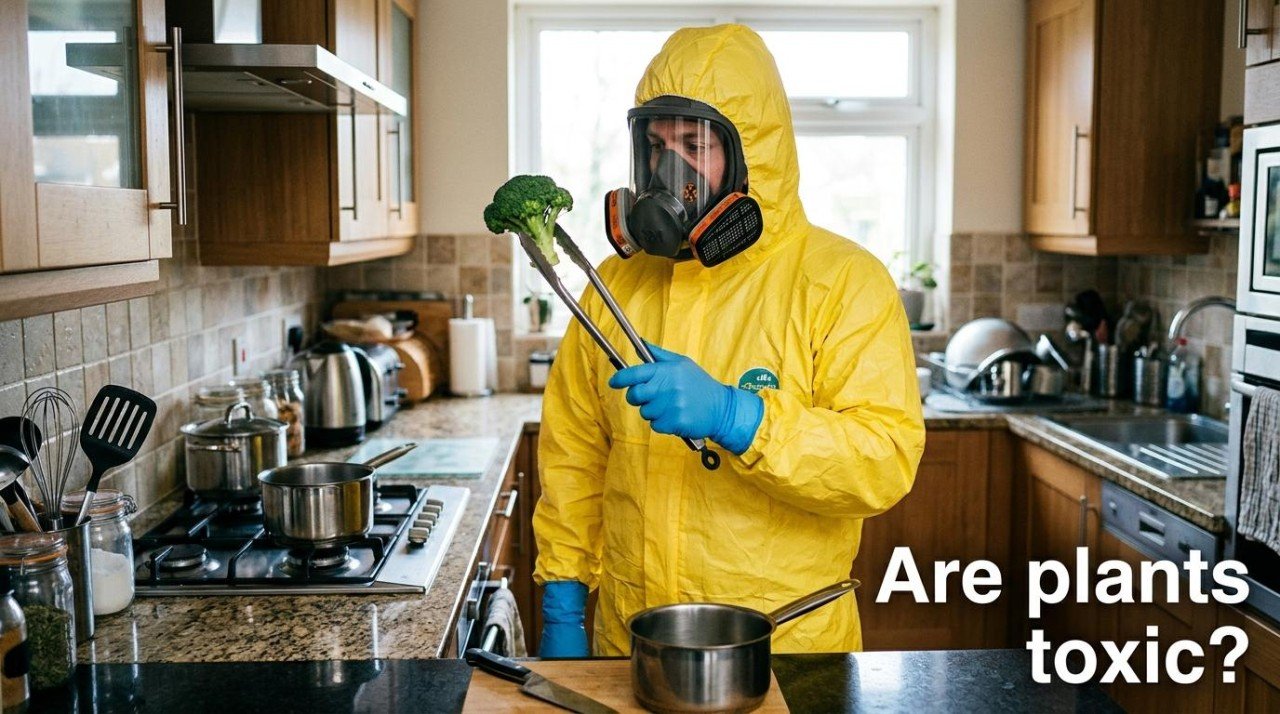
If you spend any time on health social media, you have probably been told to quit a vegetable lately. Spinach is "loaded with oxalates." Beans and whole grains are "full of lectins." Nuts and seeds "block your minerals" with phytates. Some influencers now recommend an "anti-nutrient-free" diet built almost entirely around meat, with leafy greens and legumes cast as secret saboteurs.
It is a compelling story, because it has a kernel of truth wrapped in a lot of fear. Plants really do contain compounds — oxalates, lectins, phytates, and tannins, collectively nicknamed "antinutrients" — that can interfere with how your body absorbs certain minerals or, in a couple of specific cases, make you genuinely sick. But the leap from "this compound does something measurable in a test tube" to "you should stop eating broccoli" is enormous, and the evidence does not support it for the vast majority of people.
Let us walk through what these compounds actually are, what the research really shows, and the handful of situations where they genuinely matter — without the panic.
What "Antinutrients" Actually Are
The word "antinutrient" sounds sinister, but it is really just a catch-all term for naturally occurring plant compounds that can reduce the absorption of nutrients or interfere with digestion. Plants do not make them to harm you. They make them as part of their own survival toolkit — to deter insects and grazing animals, to store minerals like phosphorus, to fight off fungi and microbes, and to protect their seeds until conditions are right for germination. In other words, these compounds are doing a job for the plant, and we just happen to eat the plant.
Here are the main characters in the story:
- Oxalates (oxalic acid) — found in high amounts in spinach, Swiss chard, beet greens, rhubarb, almonds, and to a lesser degree in many other plants. Oxalate can bind calcium in your gut and, in susceptible people, contribute to calcium-oxalate kidney stones.
- Lectins — a large family of proteins found in legumes, whole grains, and some vegetables. They bind to carbohydrates and, in concentrated raw form, can irritate the gut lining.
- Phytates (phytic acid) — the main storage form of phosphorus in seeds, found in whole grains, legumes, nuts, and seeds. Phytate can bind minerals like iron, zinc, and calcium and reduce their absorption.
- Tannins — polyphenols that give tea, coffee, red wine, and some legumes their astringency. They can reduce non-heme (plant) iron absorption.
Notice something about that list: nearly every food on it is one that decades of nutrition research has linked to better health, not worse. That tension is the whole point.
The Evidence: The Foods Win, Easily
Here is the part the scary posts leave out. When researchers study the whole foods that contain these compounds — beans, lentils, whole grains, leafy greens, nuts — people who eat more of them tend to live longer and get sick less often, not the reverse.
A 2023 systematic review and dose-response meta-analysis pooling 27 prospective cohort studies and nearly a million participants found that each 50-gram daily increase in legume consumption was associated with a 6% lower risk of death from all causes. Beans and lentils — the poster children for "lectin danger" — track with living longer. Whole grains tell the same story: a meta-analysis of eleven cohort studies covering more than 840,000 people found that people with the highest whole-grain intake had an 18% lower risk of all-cause mortality than those with the lowest, with a 7% reduction in risk for each additional daily serving.
If antinutrients were quietly poisoning us, these are exactly the foods where you would expect to see the harm show up. Instead you see the opposite. As Harvard's Nutrition Source puts it plainly, for people eating a varied diet "the health benefits of eating these foods outweigh any potential negative nutritional effects." A varied Western diet, the same source notes, usually contains more than enough nutrients and variety to protect against a true deficiency caused by these compounds.
Many "Antinutrients" Are Actually Good For You
Here is where the narrative really falls apart. Several of the compounds being demonized turn out to have measurable benefits — which makes sense, because many of them are the same polyphenols and plant compounds that nutrition science has spent years celebrating.
A narrative review in the journal Nutrients titled, fittingly, "Is There Such a Thing as Anti-Nutrients?" concluded that "it remains questionable as to whether these compounds are as potentially harmful as they might seem to be in isolation." The review catalogs upsides that rarely make it into a 30-second video:
- Phytates act as antioxidants by binding excess iron and preventing the kind of cellular damage that free iron can cause. They are associated with reduced kidney-stone and bone-loss risk, and one trial found roughly a 25% reduction in harmful advanced glycation end-products in people with type 2 diabetes who supplemented with the phytate compound IP6. Harvard's review similarly notes phytates have been found to lower cholesterol, slow digestion, and prevent sharp rises in blood sugar.
- Tannins and related polyphenols are linked to lower risk of type 2 diabetes, metabolic syndrome, and cardiovascular disease. The review cites a Japanese study of around 29,000 people in which the highest polyphenol intake was associated with significantly lower cardiovascular mortality. Some tannins also act as prebiotics, feeding beneficial gut bacteria.
- Lectins are being actively researched as tools to identify and target cancer cells, with some showing anti-proliferative activity against cancer cell lines in the lab.
Harvard's bottom line is worth repeating: "many anti-nutrients have antioxidant and anticancer actions, so avoiding them entirely is not recommended." The same molecule can bind a little iron in your gut and protect your cells. Biology is rarely as tidy as a villain story wants it to be.
Cooking Already Solves Most of the "Problem"
The other thing the fear-based posts gloss over is that you are almost certainly not eating these compounds at their raw, concentrated peak. Ordinary kitchen techniques — the ones humans have used for thousands of years — dramatically reduce antinutrients before the food ever reaches your plate.
- Boiling is remarkably effective on lectins. The Nutrients review reports reductions of roughly 94% to over 99% from boiling, essentially eliminating them. Boiling vegetables for about 12 minutes can lower their soluble oxalate content by 30 to 87%.
- Soaking leaches out water-soluble oxalates and helps reduce lectins — which is exactly why dried beans get soaked before cooking.
- Sprouting and germination can cut phytate content by more than 60%, because the seed starts using up its own mineral stores to grow.
- Fermenting — think sourdough, tempeh, miso — uses microbial enzymes to break down phytates and lectins while often improving the food's nutrition and digestibility.
In short, the act of cooking and preparing legumes and grains the normal way already takes care of the bulk of the issue. You do not need a special protocol. You need a pot of boiling water.
This is also the part where having the right preparation method on hand makes a real difference — and where it helps to be able to ask a quick question instead of falling down a research rabbit hole.
Take the Guesswork Out of Eating Well
Eat Well Planner helps you organize your favorite recipes, plan balanced meals, and automatically generate shopping lists — all in one place. Whether you're tracking macros, managing dietary restrictions, or just trying to stop asking "what's for dinner?", we've got you covered.
Our AI-powered tools can adapt any recipe to your dietary needs, help you discover new meals you'll love, and even log your nutrition effortlessly. It's meal planning made simple.
Start Organizing Your Meals — FreeThe Real Exceptions (Where Caution Is Warranted)
None of this means antinutrients are pure myth. There are a few genuine, evidence-based situations where they matter. Honesty about these is what separates good nutrition advice from both fearmongering and dismissiveness.
1. Raw or Undercooked Kidney Beans Are Genuinely Dangerous
This is the one case where a lectin can actually make a healthy person acutely ill — and it is worth knowing. Red kidney beans are high in a lectin called phytohaemagglutinin. According to the U.S. FDA's "Bad Bug Book," as summarized in the scientific literature, a raw red kidney bean may contain up to 70,000 hemagglutinating units, reduced to between 200 and 400 units when properly cooked. Eating as few as four or five raw or undercooked beans can trigger illness.
Hong Kong's Centre for Food Safety describes the symptoms as extreme nausea and vomiting that usually begins within 1 to 3 hours, sometimes with severe stomach ache and diarrhea, with recovery typically inside a few hours.
The fix is simple and total: cook your beans properly. Food Safety News, citing the FDA, notes that soaking dried beans for at least five hours, discarding that water, and then boiling them in fresh water at a true rolling boil destroys the toxin. The catch worth flagging: a slow cooker on low may only reach around 167°F (75°C), which is not hot enough to reliably break the toxin down. If you cook dried kidney beans in a slow cooker, boil them hard for at least 10 minutes first. (Canned kidney beans are already fully cooked and perfectly safe.) Note that this is an argument for cooking beans correctly, not for avoiding them.
2. Oxalates and Recurrent Kidney Stones
If you are prone to calcium-oxalate kidney stones, dietary oxalate is a legitimate consideration — but the popular advice to simply "cut out oxalates" is both incomplete and, on one common point, backwards.
The instinct many people have is to slash calcium, since oxalate binds calcium. The National Kidney Foundation says the opposite: "A diet low in calcium actually increases your chances of developing kidney stones." The smarter move is to eat calcium-rich and oxalate-rich foods together, so the two bind in your gut and get excreted rather than absorbed and sent to the kidneys. The Foundation recommends getting 1,000 to 1,200 mg of calcium a day, mostly from food, and pairing it with oxalate-containing foods at meals.
The rest of the stone-prevention playbook has little to do with banning vegetables: drink plenty of fluids (the NKF suggests 2 to 3 quarts a day), keep sodium down (excess sodium pushes more calcium into your urine), and go easy on very high oxalate loads like large amounts of raw spinach if you are a recurrent former. Even then, boiling high-oxalate greens and pairing them with dairy or another calcium source blunts much of the effect. For the average person who has never had a kidney stone, there is no good reason to fear spinach.
3. People Already at Risk of Mineral Deficiency
The mineral-binding effect of phytates and tannins is real, and it matters most for people who are already running close to the edge — for example, those with diagnosed iron-deficiency anemia, or populations in parts of the world where a monotonous, grain-heavy diet provides little dietary variety and few sources of well-absorbed minerals. Harvard notes that people already at risk for nutrient deficiencies, including some who eat very few animal foods, may want to be mindful of phytate intake.
But the answer here is rarely "eat fewer plants." It is usually about variety and timing: eating a wide range of foods, using the cooking and soaking methods above, pairing plant iron with vitamin C to boost absorption, and keeping that strong cup of tea or coffee away from your iron-rich meals rather than with them. For most people in a country with abundant, varied food, this concern is theoretical.
The Takeaway: Variety and Preparation Beat Elimination
Step back and the picture is clear. "Antinutrients" are real compounds that do real things — but in the context of a normal, varied, properly cooked diet, the foods that contain them are some of the most protective foods you can eat. The populations who eat the most beans, whole grains, and leafy greens are not the sick ones. They are, by and large, the ones living longer.
Eliminating entire categories of vegetables, legumes, and whole grains to avoid these compounds means trading a theoretical, mostly-neutralized risk for the very concrete loss of fiber, plant protein, polyphenols, and the dozens of vitamins and minerals those foods deliver. That is a bad trade. The handful of genuine cautions — cook your kidney beans, manage oxalates sensibly if you make stones, mind your minerals if you are deficient — are all about how you prepare and combine foods, not about cutting them out.
The reassuring reality is that the solutions are old and simple: soak, boil, sprout, ferment, and eat a wide variety. Your grandmother's bean pot was already doing the science.
Making a Varied, Plant-Rich Plate the Easy Default
The honest answer to "should I worry about antinutrients?" is "no — eat a varied diet and cook your food normally." But variety and good preparation take a little planning, which is exactly where they tend to fall apart on a busy week. That is the problem Eat Well Planner is built to solve.
If you are ever unsure how to prepare a particular ingredient, the built-in AI recipe chat can walk you through it — whether that is how long to soak and boil dried beans safely, how to bring down the oxalate in a greens-heavy dish, or which calcium source to pair with a spinach salad. Instead of doom-scrolling conflicting advice, you can ask a direct question about the recipe in front of you.
Beyond that, the AI meal planning feature builds balanced weeks from your own saved recipes, making it easy to rotate through different legumes, grains, and vegetables rather than leaning on the same two or three — which is the single best protection against any one compound mattering. The auto-generated shopping lists mean the beans, lentils, and fresh greens are actually in your kitchen when you need them, and the nutrition tracking lets you see your fiber, iron, and mineral intake over time, so you are working from your real numbers instead of internet anxiety. You can even import a promising bean or whole-grain recipe straight from a website, Instagram reel, or YouTube video and have the ingredients and nutrition pulled in automatically.
Healthy eating should not require a degree in food chemistry or a list of forbidden vegetables. It should mean a varied, colorful plate that is easy to actually pull off. Try planning your meals with Eat Well Planner and let the good stuff back onto your plate.