Most organs let you know when something is wrong. Your kidneys are different. They can lose a large share of their function before you notice a single symptom, which is exactly why kidney disease is so easy to miss until it is advanced. According to the Centers for Disease Control and Prevention, more than 1 in 10 US adults — roughly 37 million people, or about 14 percent — are estimated to have chronic kidney disease (CKD). The unsettling part: about 9 in 10 of them (87 percent) do not know they have it.
If you have high blood pressure or diabetes, the odds are higher still. The CDC estimates that about 21 percent of adults with high blood pressure and about 38 percent of adults with diabetes have CKD. And because the early stages are silent, the best time to protect your kidneys is long before anything goes wrong — while your numbers still look fine on paper.
This is a preventive guide for the general reader. If you have already been diagnosed with kidney disease, your needs are individualized and sometimes the opposite of general advice, so please follow the plan your care team gives you rather than the broad strokes here. For everyone else, the encouraging news is that the everyday eating patterns that protect your heart tend to protect your kidneys too.
What your kidneys actually do
Your two kidneys are among the hardest-working organs you have. As the National Institute of Diabetes and Digestive and Kidney Diseases (NIDDK) puts it, kidneys filter your blood, removing waste and extra fluid from your body. But that is only the headline job. They also balance minerals like sodium, potassium, and phosphorus, help regulate blood pressure, keep your body's acid levels in check, activate vitamin D for your bones, and signal your body to make red blood cells.
When kidneys are damaged, they cannot filter properly, and waste and fluid start to build up. The two leading causes of that damage are the same two conditions above: diabetes and high blood pressure. Managing blood glucose and blood pressure is the foundation of protecting your kidneys — and diet is one of the most powerful levers you have over both.
The dietary threats worth taking seriously
You do not need to fear food to protect your kidneys. But a handful of patterns, repeated day after day for years, quietly add up. Here are the ones with the strongest evidence behind them.
Chronically high sodium
Sodium's biggest kidney risk runs through blood pressure. Too much sodium makes your body hold onto water, which raises blood pressure, and sustained high blood pressure damages the tiny, delicate filtering vessels inside the kidneys over time. It becomes a loop: high blood pressure harms the kidneys, and struggling kidneys make blood pressure harder to control.
The link shows up clearly in research. In the Chronic Renal Insufficiency Cohort (CRIC) study of nearly 3,800 adults with kidney disease, those in the highest quarter of measured sodium intake had a 54 percent higher risk of their kidney disease progressing compared with those in the lowest quarter (hazard ratio 1.54). Most of that sodium does not come from your saltshaker — it comes from packaged and restaurant food, where it is already baked in before it reaches your plate.
Sugary drinks and excess added sugar
Regularly drinking sweetened beverages is associated with a higher risk of developing kidney disease. In a UK Biobank study of nearly 128,000 adults followed for a median of about 10.5 years, drinking more than one serving a day of sugar-sweetened beverages was linked to a 19 percent higher risk of incident CKD (hazard ratio 1.19). Notably, diet drinks were not a free pass: more than one daily serving of artificially sweetened beverages was linked to a 26 percent higher risk (hazard ratio 1.26). Swapping either type for plain water was associated with lower risk.
Excess added sugar also fuels the upstream conditions — weight gain, insulin resistance, and type 2 diabetes — that drive kidney damage in the first place. This is less about any single dessert and more about the steady, often invisible stream of sugar in sodas, sweetened coffees, and sweet drinks.
A lot of processed and red meat
Protein is essential, and most people do not need to be afraid of it. But the source and the amount matter for your kidneys. In a prospective study of nearly 4,900 adults from the Tehran Lipid and Glucose Study, people in the highest quarter of total red meat intake had a 73 percent higher risk of developing CKD (odds ratio 1.73) than those in the lowest, and processed red meat was associated with an even higher risk. Encouragingly, the same study found that replacing a serving of red or processed meat with plant proteins like nuts and legumes, whole grains, or low-fat dairy was associated with lower risk.
Ultra-processed food and hidden phosphate additives
Beyond sodium and sugar, ultra-processed foods carry a less obvious kidney concern: phosphate additives. Manufacturers use inorganic phosphates as preservatives, emulsifiers, and texture enhancers in everything from processed meats and cheese to breads, colas, and ready-made meals. According to a 2023 review in Nutrients, these additives are estimated to contribute 30 to 60 percent of total phosphate intake in the population — yet they rarely appear on nutrition labels.
Here is why that matters. The phosphorus naturally found in whole foods like beans, dairy, and whole grains is bound to proteins and absorbed slowly and incompletely. The inorganic phosphorus in additives is absorbed rapidly and almost completely. Healthy kidneys can clear a normal load, but a diet heavy in these additives pushes more phosphate into the blood than your body needs, and elevated phosphate is linked to the calcification of blood vessels — a burden on both the heart and the kidneys. Because these additives hide in the ingredient list rather than the numbers panel, the most reliable way to avoid them is simply to lean toward whole, minimally processed foods.
Running on empty
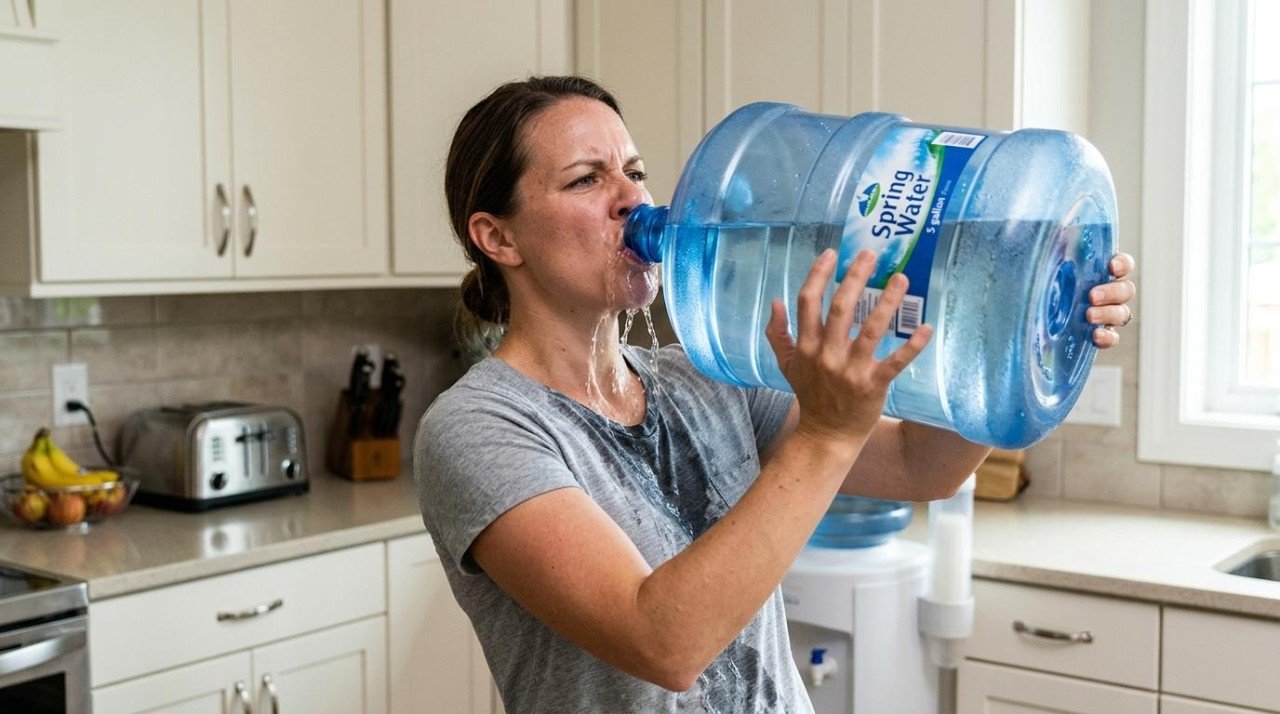
Kidneys need water to do their job of flushing waste. Chronic, repeated dehydration makes them concentrate urine and lean on stress hormones like vasopressin, and over time that appears to accelerate kidney strain. Population studies consistently find that people who stay well hydrated have a lower prevalence of CKD. That said, more is not always better — the relationship is a gentle U-shape, and forcing down liters of water beyond your thirst offers no bonus. The goal is steady, adequate hydration, mostly from water, spread across the day.
The eating patterns that protect kidneys
Notice a theme in the threats above: sodium, added sugar, processed meat, additives. The protective side of the ledger is essentially the mirror image — real, whole foods and plenty of plants. Two well-studied eating patterns pull it all together.
The DASH diet
DASH (Dietary Approaches to Stop Hypertension) was designed to lower blood pressure, and it turns out to protect kidneys too. It emphasizes vegetables, fruit, whole grains, beans, nuts, and low-fat dairy, while keeping sodium, red and processed meat, and sugary drinks low. In the Atherosclerosis Risk in Communities (ARIC) study, which followed 14,882 adults for a median of 23 years, people with the lowest adherence to a DASH-style diet were 16 percent more likely to develop kidney disease than those with the highest adherence — an effect independent of blood pressure. The components doing the heavy lifting were exactly what you would expect: more nuts, legumes, and low-fat dairy helped, while more red and processed meat hurt.
The Mediterranean diet
The Mediterranean pattern — built on vegetables, fruit, olive oil, whole grains, legumes, fish, and nuts, with little red meat — shows a similar protective signal. In a prospective study of 975 older Spanish adults followed for about 6.5 years, high adherence to a Mediterranean diet was associated with a 48 percent lower risk of kidney function decline (odds ratio 0.52) compared with low adherence. The evidence across studies is not unanimous, and the benefit seems strongest for people who already have metabolic risk factors — but the direction is consistent and reassuring, especially because this is an eating pattern most people find genuinely enjoyable and sustainable.
Plants and potassium-rich whole foods
Both of these patterns are naturally rich in potassium from vegetables, fruit, and legumes. For people without kidney restrictions, that is a good thing: potassium helps counterbalance sodium and supports healthy blood pressure. This is one place where the general advice flips for people who already have advanced kidney disease, who may be told to limit potassium — a clear example of why a diagnosis changes the rules and why individualized guidance matters. For everyone else, more colorful plants on the plate is one of the simplest, highest-value moves you can make.
Enough protein, not a mountain of it
You do not need a very high-protein diet to be healthy, and for kidney protection, moderation and source both count. Aim for adequate protein spread through the day, and let more of it come from plants, fish, poultry, and dairy rather than red and processed meat. The substitution finding from the meat study above captures the whole idea: it is less about cutting protein and more about upgrading where it comes from.
Steady hydration
Round it out by drinking mostly water and letting thirst be your guide. In the CKD-REIN cohort, both very low and very high plain-water intake were linked to worse outcomes, with a middle range looking best — a good reminder that the target is consistent, sensible hydration, not a heroic daily quota.
Take the Guesswork Out of Eating Well
Eat Well Planner helps you organize your favorite recipes, plan balanced meals, and automatically generate shopping lists — all in one place. Whether you're tracking macros, managing dietary restrictions, or just trying to stop asking "what's for dinner?", we've got you covered.
Our AI-powered tools can adapt any recipe to your dietary needs, help you discover new meals you'll love, and even log your nutrition effortlessly. It's meal planning made simple.
Start Organizing Your Meals — FreeMaking the kidney-friendly choice the default
If you read that list and thought "so basically, cook more real food and go easy on the packaged stuff" — you have it exactly right. Protecting your kidneys does not require a special renal diet or obscure supplements. It requires the ordinary, unglamorous habit of planning meals around whole ingredients often enough that fresh food, not the drive-through, becomes your path of least resistance.
That is precisely the part most people struggle with, and it is where a little structure pays off. Eat Well Planner is a free tool built to remove the planning and decision fatigue that pushes so many of us toward ultra-processed convenience food. You can save DASH- and Mediterranean-style recipes in one place — importing them straight from a website, an Instagram reel, or a YouTube video — and let the app build a balanced weekly meal plan from the recipes you actually like. Because those meals are already chosen and the ingredients are already on an auto-generated shopping list, reaching for a fresh, lower-sodium dinner stops being the hard option.
It also helps with the parts of kidney protection that are otherwise invisible. The built-in nutrition tracking and food diary let you see your sodium, added sugar, and protein trends over time, so "eat less sodium" turns into a number you can actually watch move. And if you have a specific need — lower sodium, more plants, swapping red meat for legumes — the AI recipe chat can suggest substitutions and adapt recipes without you having to be a nutritionist. The goal is not obsessing over every gram; it is making the kidney-friendly choice the easy, automatic one, week after week.
A word if you already have kidney disease
Everything above is aimed at prevention for people with healthy or at-risk kidneys. If you have been diagnosed with chronic kidney disease, your dietary needs are individualized and can genuinely differ from this general advice — sometimes reversing it, as with potassium, phosphorus, protein, and fluid targets that depend on your stage of disease and lab values. Work with your nephrologist and a renal dietitian, and treat their plan as the authority. General articles, including this one, are no substitute for guidance tailored to your own numbers.
The bottom line
Kidney disease is common, quiet, and largely preventable through the same everyday choices that protect your heart and blood pressure. Keep sodium in check by cooking more and relying less on packaged food. Go easy on sugary drinks and ultra-processed foods with their hidden phosphate additives. Get enough protein, favoring plants and lighter sources over red and processed meat. Fill your plate with vegetables, fruit, whole grains, and legumes in the DASH and Mediterranean spirit. And drink enough water to keep things flowing. None of it is dramatic — and that is the point. Small, repeated choices are exactly what your kidneys respond to, and the best time to start making them is now, while everything still looks fine.
Try organizing your meals with Eat Well Planner and make eating well the easy default — for your kidneys and the rest of you.