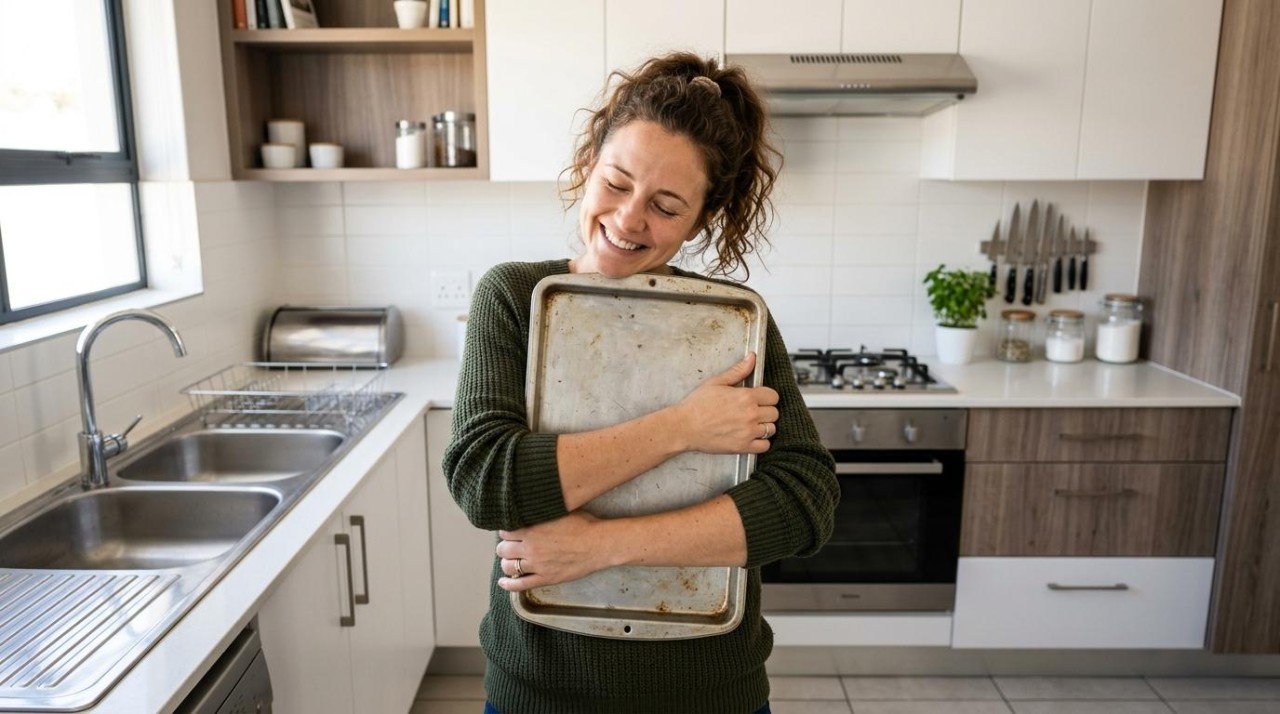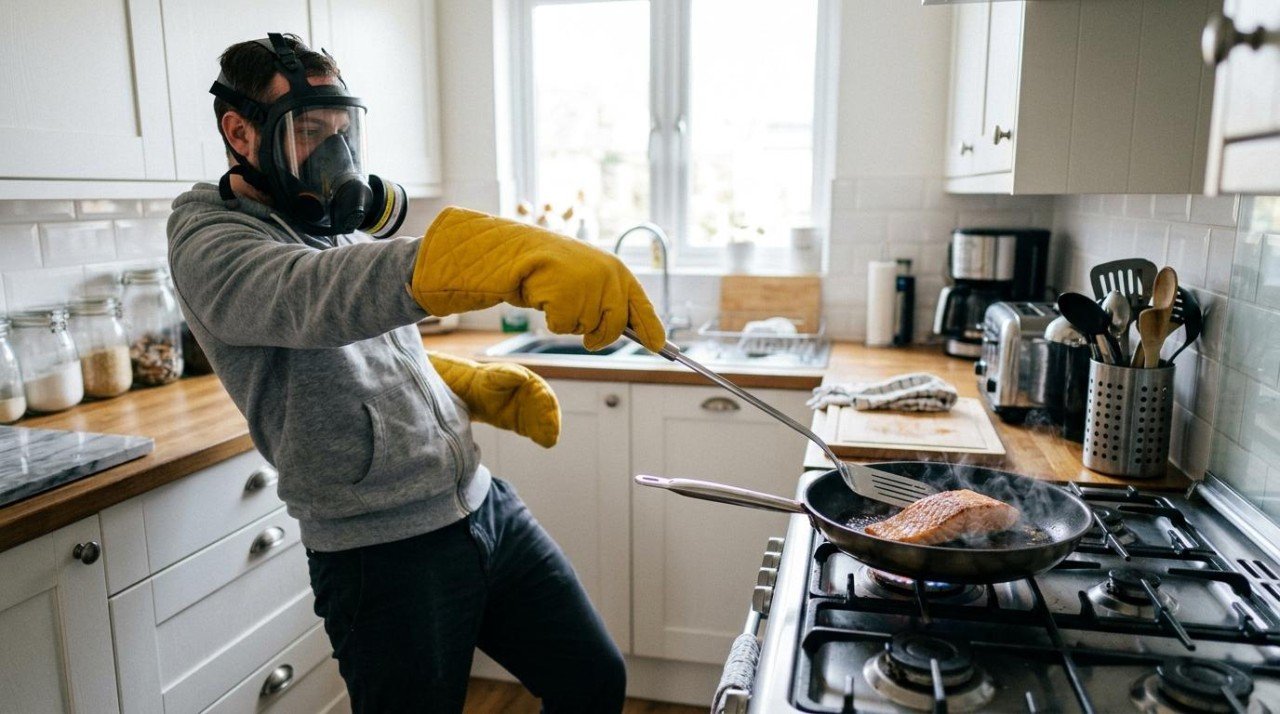
Plenty of people who happily order salmon at a restaurant never cook it at home. Ask why and you usually get one of two answers. The first is fear: fish is expensive, it seems to go from raw to dry in about ninety seconds, and nobody wants to be the person who served undercooked seafood. The second is the smell, the kind that is still hanging in the hallway the next morning and greets you when you walk in the door after work.
Both problems are real, and both are very fixable. Fish is actually one of the fastest, most forgiving proteins you can cook once you know three things: which fish to start with, what "done" really looks like, and which cooking methods keep the smell in the pan instead of in your curtains. That is what this guide covers.
You are not the only one who is nervous about cooking fish
If fish makes you anxious, you are in large company. When YouGov surveyed UK consumers about seafood, it found that a significant minority lack confidence in preparing it at home, with 13% saying they worry about overcooking or undercooking it and 12% calling it too complicated. A 2022 survey of 949 young adults in Norway, a country that eats far more fish than the US does, found the same pattern: they felt insecure cooking fish without a recipe, but far fewer were insecure when they had a recipe to follow, and people with general cooking knowledge ate more fish fillets.
That last finding is the encouraging part. Confidence, not taste, is often what stands between people and fish. And it matters, because most Americans eat much less seafood than recommended. The Dietary Guidelines call for roughly 8 ounces a week, but USDA's Economic Research Service estimated that actual intake in 2014 was about 2.7 ounces per week, or roughly one-third of the recommendation. If mercury is part of your hesitation too, we covered that separately in how to eat fish twice a week without the mercury worry. This post is about the cooking.
Start with a forgiving fish
Not all fish behave the same way in a pan, and beginners often make things harder by starting with the trickiest kinds. A thin fillet of sole or flounder can overcook in the time it takes to find a spatula. A thick piece of salmon gives you a much wider window.
Food scientist Ed McCormick, speaking to Food Republic, named salmon, Arctic char, halibut, and cod as the thick, forgiving fish that respond well to steady, even heat like baking, roasting, or indirect grilling. Here is a simple way to think about where to start:
- Easiest: salmon, Arctic char, and steelhead trout. They are thick, and their higher fat content helps keep them moist if you go a minute or two long. They also hold together well, so they are less likely to fall apart when you flip them.
- Easy with a little care: cod, halibut, and other thick white fish. These are lean, so they dry out faster than salmon, but a thick center cut gives you some margin. They are excellent in foil or parchment packets, which we will get to below.
- Save for later: thin fillets like sole, flounder, and tilapia. They are mild and cheap, and they cook in minutes, which is exactly why they are easy to overshoot. Once you have a feel for doneness, they become some of the fastest dinners you can make.
Two buying tips make everything easier. First, ask for center-cut pieces or pick fillets of similar thickness so they all finish at the same time. Second, do not be afraid of the freezer case. Frozen fish is usually cheaper, waits patiently in the freezer until you are ready, and you can cook many fillets straight from frozen (more on that shortly).
What "done" actually looks like
The core anxiety with fish is not knowing when to stop. Here is the official answer and the practical one.
The official answer: 145°F
The FDA says most seafood should be cooked to an internal temperature of 145°F. An instant-read thermometer slid sideways into the thickest part of the fillet takes all the guesswork out of it, and it is the single best confidence-building tool you can buy for under $20.
The visual cues, if you don't have a thermometer
The FDA's safe temperature chart lists the visual alternative for fin fish as flesh that is opaque and separates easily with a fork. For shellfish, the same chart says shrimp, lobster, and crab flesh turns pearly and opaque, scallops become milky white or opaque and firm, and clams, oysters, and mussels open their shells during cooking (toss any that stay shut).
In practice, press the tip of a paring knife or fork into the thickest part and gently twist. Raw fish looks glossy and translucent and resists. Done fish looks matte and opaque and slides apart into flakes. If the very center is still a little translucent, a minute more is usually all it needs.
The pro move: pull it a little early
Fish keeps cooking from its own heat after it leaves the pan. McCormick recommends removing most fish at about 120 to 125°F and letting carryover heat finish the job. Many chefs serve salmon in that lower range because it stays silky. If you are cooking for someone who is pregnant, older, or immunocompromised, stick with the FDA's 145°F and let the fish rest a couple of minutes either way.
The white stuff on your salmon is a clue, not a problem
Those white beads that ooze out of salmon as it cooks are albumin, a protein that is liquid in raw fish and sets as it heats. It is harmless, but overcooking tends to push more of it to the surface, so a lot of white gunk is a sign to cook a little less next time. If it bothers you, Cook's Illustrated's fix (as reported by Mental Floss) is a quick brine of 1 tablespoon of salt per cup of water for about 10 minutes before cooking, which loosens the surface muscle fibers so they squeeze out less albumin.
And the famous "10-minute rule"?
You may have heard that fish takes 10 minutes per inch of thickness. The rule started with the Canadian Department of Fisheries as a way to get people cooking more fish, and it is a decent starting estimate for thick fillets baked or roasted at a steady temperature. But McCormick points out that it was designed for a time when people lacked thermometers and fish was cut to uniform sizes. Today's fillets vary a lot, high-heat grilling cooks much faster than the rule implies, and fish wrapped in foil or cooked in sauce needs a few extra minutes. Use it to know when to start checking, not when to stop.
Three methods, from fastest to least smelly
You do not need a dozen techniques. These three cover almost every weeknight, and each has a different trade-off between crispness, speed, and smell.
1. The pan: fastest, crispiest, smelliest
Pan-searing gives you the best texture, especially crispy salmon skin, but it is also the method most likely to fill the house with smell, because hot fat spatters and fish fat is exactly what produces that cooked-fish odor (more on why below). To do it well:
- Pat the fish very dry with paper towels. Surface moisture is what makes fish stick and steam instead of brown.
- Season with salt right before cooking, then heat a little oil in a heavy skillet over medium-high heat until it shimmers.
- Lay the fish in skin-side down (or presentation side down for skinless), pressing gently for a few seconds so it doesn't curl.
- Leave it alone. Fish releases from the pan on its own once a crust forms. If it sticks when you nudge it, it isn't ready yet.
- Cook most of the way on the first side, flip once, and finish briefly. Check doneness at the thickest point.
2. The oven: hands-off and forgiving
Roasting is the easiest way to cook fish evenly with no flipping and no splatter. Place fillets on a lined sheet pan, brush with oil, season, and roast in a hot oven, around 400 to 425°F. Thick fillets typically take 10 to 15 minutes. Tuck any thin tail ends under so the piece is an even thickness and cooks at one rate. Better yet, make it a full meal: start your vegetables first and add the fish for the last stretch, the way we lay out in our guide to sheet-pan dinners.
3. The foil or parchment packet: nearly foolproof, nearly odorless
If you are nervous about fish or about smell, start here. You place a fillet on a bed of thinly sliced vegetables with a little oil or butter, lemon slices, herbs, and a splash of wine or broth, then seal it tightly in parchment or foil. The fish steams in its own juices, which keeps it moist even if you go a little long, and the sealed packet keeps most of the aroma inside until you open it at the table.
Whole Foods Market's parchment method is a good template: bake at 400°F for 10 to 12 minutes for thin fillets like tilapia, and 14 to 16 minutes for thicker fillets like halibut and cod, folding and crimping the edges tightly to seal. Foil packets work the same way and can go on the grill. Open them carefully, away from your face, because the steam escapes fast.
Packets are also the ultimate low-cleanup dinner. Everything cooks together, the juices become a sauce, and the pan underneath stays clean.
Take the Guesswork Out of Eating Well
Eat Well Planner helps you organize your favorite recipes, plan balanced meals, and automatically generate shopping lists — all in one place. Whether you're tracking macros, managing dietary restrictions, or just trying to stop asking "what's for dinner?", we've got you covered.
Our AI-powered tools can adapt any recipe to your dietary needs, help you discover new meals you'll love, and even log your nutrition effortlessly. It's meal planning made simple.
Start Organizing Your Meals — FreeCooking fish straight from frozen
Forgot to thaw the fish? You don't have to. The Seafood Nutrition Partnership notes that it is completely acceptable to cook raw seafood from frozen, as long as you increase the cooking time by about 50%. Almost any technique works, including sautéing, roasting, broiling, grilling, and steaming. The key step is to rinse the fillet under cold water to remove the ice glaze, then pat it dry with paper towels before oiling and seasoning.
If you would rather thaw, the FDA recommends thawing overnight in the refrigerator, or sealing the fish in a plastic bag and submerging it in cold water for a faster thaw. Fish thaws quickly, so the cold-water method often takes well under an hour for individual fillets.
Why fish smells, and how to keep it out of your house
Understanding where the smell comes from makes it much easier to control. There are two main sources.
Source 1: the fish itself (and that one is your freshness test)
Ocean fish use a compound called trimethylamine oxide (TMAO) to balance the salt in seawater. As the American Society for Nutrition explains, after a fish dies, bacteria and the fish's own enzymes convert TMAO into trimethylamine (TMA), which is the compound behind the classic "fishy" smell. Freshwater fish generally don't accumulate TMAO, which is one reason trout and tilapia tend to smell milder.
This is why truly fresh fish shouldn't smell fishy at all. The FDA says fish should smell fresh and mild, not fishy, sour, or ammonia-like, and adds that spoilage odors become stronger after cooking. If raw fish already smells strongly fishy at the store, no amount of ventilation will save dinner, and if raw or cooked seafood smells sour, rancid, fishy, or of ammonia, the FDA says not to eat it. Buying fresh, or buying frozen and cooking it soon after thawing, is the first and biggest smell fix.
Two kitchen tricks help with the TMA that is there. Rinsing the fish under cold water and patting it dry removes some from the surface, and acid helps too. According to the ASN, lemon, vinegar, or tomato make TMA bind to water so less of it floats up to your nose. That is the chemistry behind the classic squeeze of lemon, and a good reason to cook fish with tomatoes, citrus, or a splash of vinegar.
Source 2: the fat, especially at high heat
The second source is the fish's fat. Omega-3 fats are fragile, and heat breaks them down into strong-smelling compounds called aldehydes. In a study of mackerel fillets at an Icelandic research program, fat oxidation was markedly higher after 30 minutes of cooking, and one omega-3-derived odor compound rose to more than 19 times its level in the raw fish. The practical takeaway is that long cooking times and fat spattering across a hot stovetop are what send the smell into the rest of the house. Short cooking times, sealed packets, and gentle methods keep it contained.
The smell-control checklist
- Use the packet or the oven on nights when smell matters most. Save pan-searing for when you can open a window.
- Don't overcook. Besides drying the fish out, extra time means more fat breakdown and more odor.
- Run the range hood on high, and use the back burner. Lawrence Berkeley National Laboratory researchers testing over-the-range microwave hoods found they captured 40 to 85% of emissions from front burners but 60 to 100% from back burners, with capture improving as airflow increased. Turn the fan on before you start and leave it running for a while after you finish.
- Add acid. A squeeze of lemon, a spoonful of capers, or a tomato-based sauce helps tame TMA.
- Clean up right away. Wash the pan while it is still warm, wipe the stovetop, and take out any packaging, skin, or scraps tonight rather than leaving them in the kitchen trash. Wrapping scraps in the fish's paper or a bag before tossing them helps too.
- Think twice about reheating fish in the microwave, especially at the office. Reheating fish encourages more of that stale, warmed-over smell. Leftover salmon is excellent cold, flaked over a salad or a grain bowl.
A simple first fish dinner to build confidence
If you have never cooked fish at home, try this as your first run. It uses the most forgiving fish, the most forgiving method, and almost no cleanup.
- Heat the oven to 400°F. Tear off a large sheet of parchment or foil for each person.
- Make a bed of thinly sliced zucchini, cherry tomatoes, and a handful of spinach in the center of each sheet. Thin slices matter, because they need to cook in the same time as the fish.
- Pat a 1-inch-thick salmon or cod fillet dry and set it on top. Drizzle with olive oil, season with salt and pepper, and add a few lemon slices, a sprinkle of dried oregano or fresh dill, and a tablespoon of white wine or broth.
- Fold the paper over and crimp the edges tightly all the way around so no steam can escape.
- Bake 14 to 16 minutes. Open one packet carefully and check that the thickest part flakes and is opaque, or reads 145°F.
- Serve straight from the packet with a scoop of rice, quinoa, or crusty bread to soak up the juices.
Once that feels easy, swap the vegetables (thin asparagus, sliced bell pepper, or fennel all work) and the flavors (ginger, garlic, and soy; or cumin, lime, and cilantro). Then graduate to roasting, and eventually pan-searing. Each step builds on the doneness instincts you developed with the first one.
Making fish a habit, not a special occasion
The hardest part of eating more fish is rarely the cooking itself. It is remembering to buy it, deciding which night to make it, and having a recipe you trust on hand when the time comes. That is where a little planning goes a long way.
With Eat Well Planner, you can import the fish recipes you find online, on Instagram, or on YouTube into your own recipe book, and then add them to your weekly meal plan so fish has a regular slot instead of being an afterthought. The shopping list builds itself from your plan, so the fillets, lemons, and herbs are already in your kitchen on fish night. If a recipe calls for a fish you can't find, the AI recipe chat can suggest a swap (our guide to substitutes for cod, tilapia, and other white fish covers this too) or adapt the cooking time for a frozen fillet. And because every recipe gets a nutrition score and "good source of" highlights, you can see at a glance what a fish dinner is contributing to your week.
Start with one packet of salmon this week. Once you have made it a few times, fish stops being the scary, smelly protein and becomes what it really is: one of the fastest dinners you can put on the table.