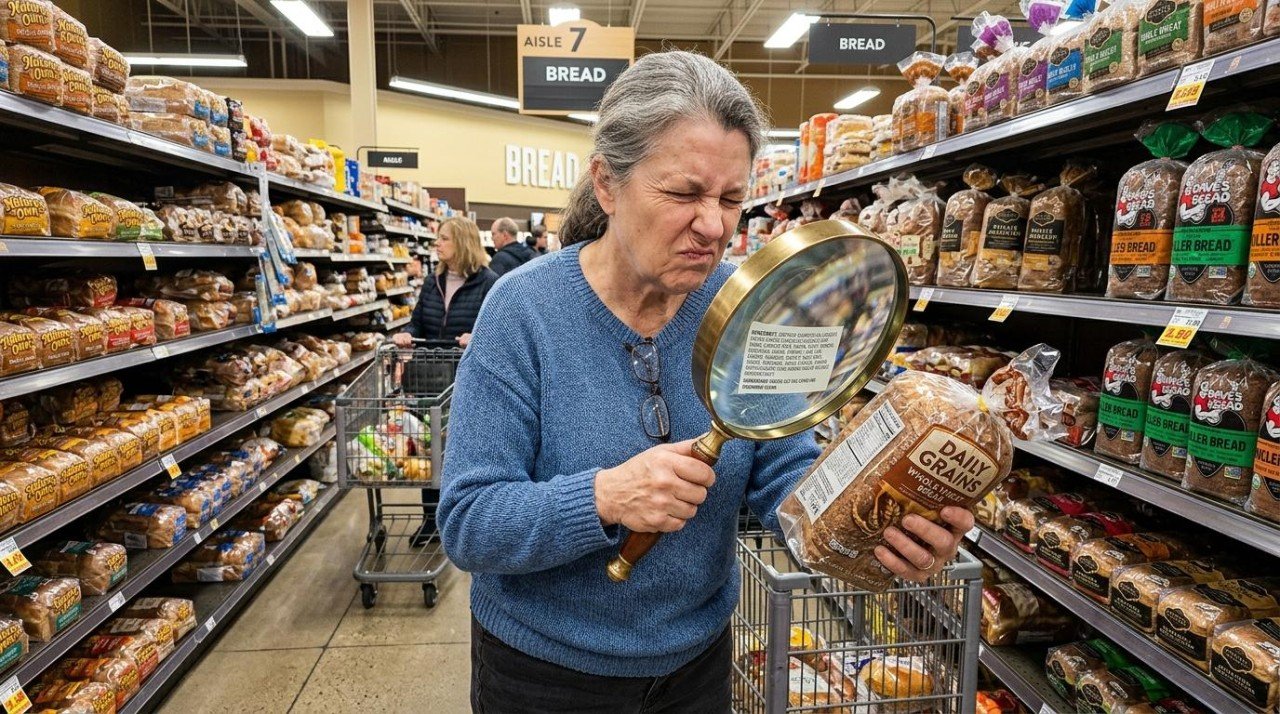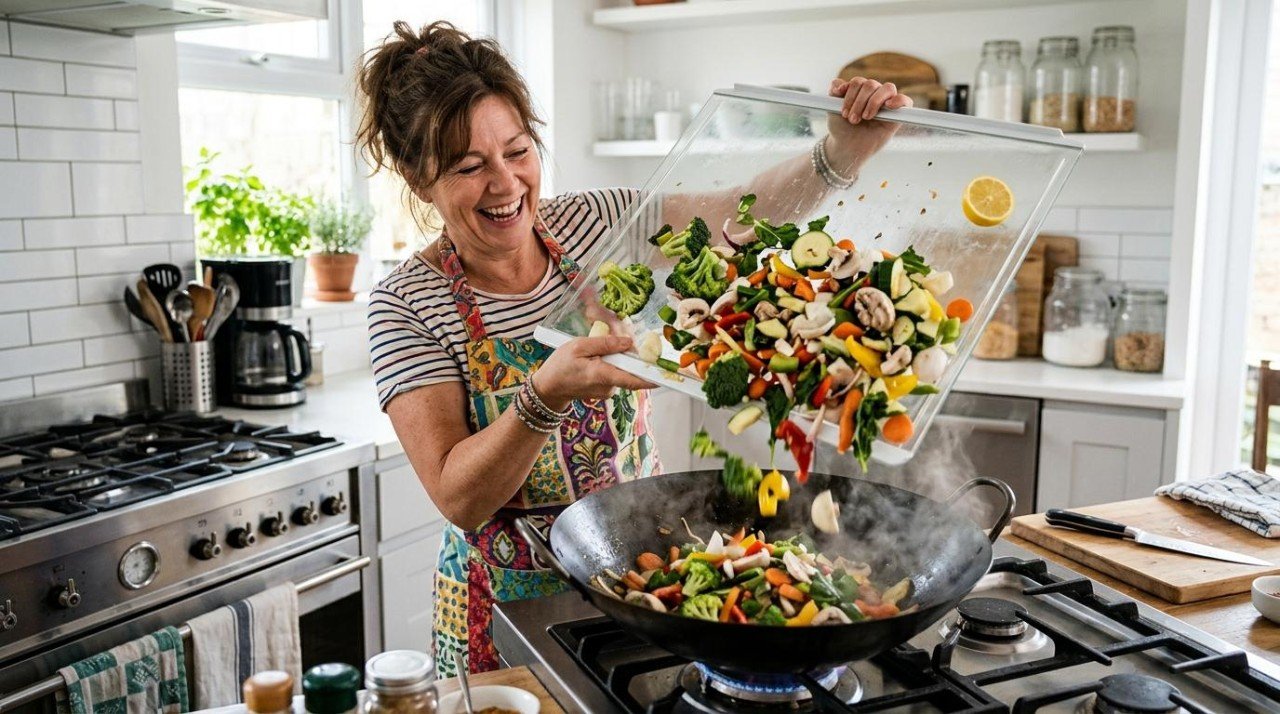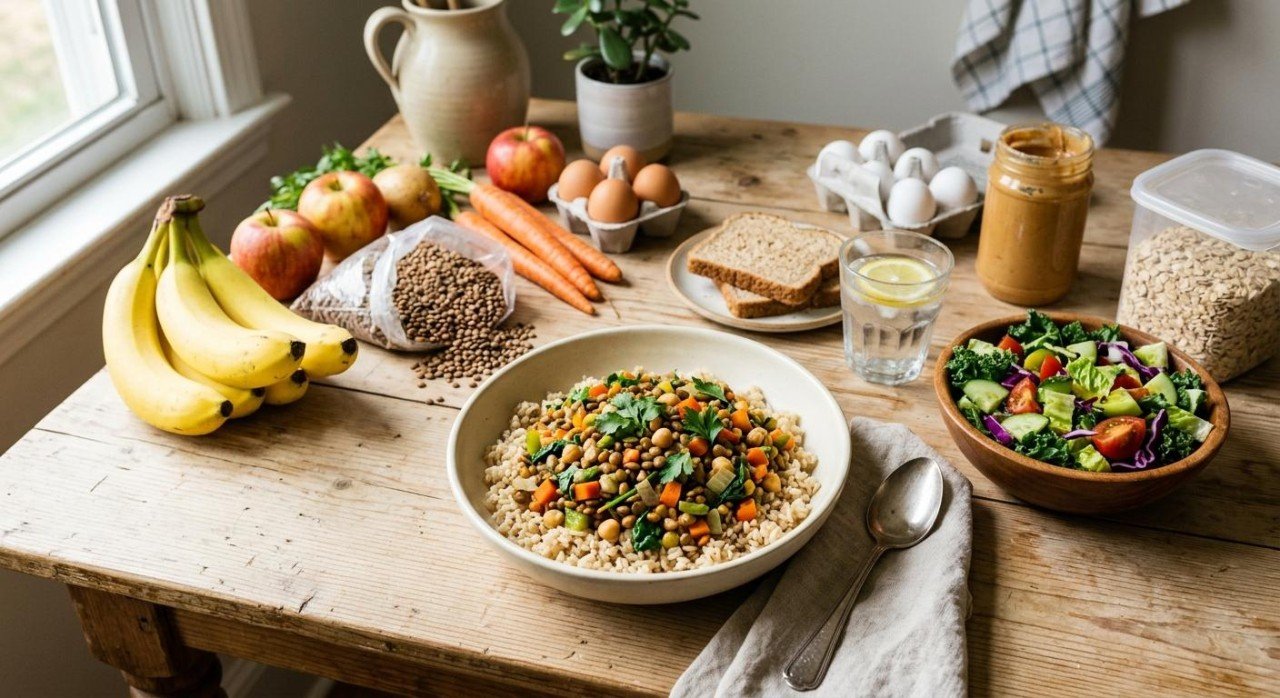
"I'd love to eat healthier, but it's just too expensive." You've heard it, you've probably said it, and on the surface it seems obviously true — a salad costs more than a burger off the dollar menu, and the organic granola runs $8 a bag. But when you actually sit down and run the numbers per serving, the way you'd audit any other expense, the story falls apart. Most of the cheapest food in the entire grocery store is also some of the healthiest, and the "cheap" convenience food it competes with is quietly more expensive than almost anyone realizes.
This post is the receipt: where the "healthy is expensive" belief comes from, what the research actually shows, what whole-food staples genuinely cost per serving, and the planning habits that drive the real price of eating well down further still.
Where the "Healthy Is Expensive" Belief Comes From
First, the belief itself has been studied — and it turns out to be a mental shortcut, not a market fact. Researchers from Ohio State and Vanderbilt ran a series of experiments on what they called the "healthy = expensive intuition" and published the results in the Journal of Consumer Research. When participants saw a granola product with an A- health grade, they assumed it cost more than an identical product graded C. Asked to pick the healthy lunch option, they consistently chose whichever chicken wrap was priced higher — regardless of what was actually in it. And when told the "healthiest protein bar on the market" cost just 99 cents instead of $4, they dug through significantly more reviews because they simply couldn't believe a health claim at a budget price. We don't just think healthy food is expensive; we use price itself as evidence of healthiness, which is exactly backwards.
Two real-world patterns keep the intuition alive. The first is that the food industry's most visible "health foods" really are expensive — cold-pressed juices, superfood powders, protein cookies, $14 grain bowls. Those premium branded products come to stand in for "healthy eating" in our heads, even though none of them are required for, or even particularly central to, a healthy diet. The second is a units problem: we compare cost per item instead of cost per meal. A bag of dried beans and a fast-food burger might both cost about $2 at the register, but one of them is a single eating occasion and the other is a dozen servings. Comparing their price tags tells you nothing; comparing their cost per serving tells you everything.
What the Research Actually Says
Let's start with the strongest evidence for the "expensive" side, because it deserves an honest hearing. Harvard researchers conducted a meta-analysis of 27 studies across 10 high-income countries and found that the healthiest diet patterns cost about $1.48 more per day than the least healthy patterns — about $540 a year per person. So yes: comparing the very healthiest grocery patterns against the very cheapest unhealthy ones, there's a gap.
But the details of that study undermine the myth more than they support it. Almost the entire difference came from one category: meats and proteins, where healthier options cost about $0.29 more per serving. For grains, the difference was three cents a serving. For fats and oils, two cents. In other words, the "healthy premium" isn't spread across your whole cart — it's concentrated almost entirely in swapping processed meat for salmon or lean cuts. Build your protein around eggs, beans, lentils, and canned fish, and most of that gap evaporates. And critically, the comparison was between grocery-store diet patterns. It says nothing about the real-world alternative that healthy home cooking usually displaces: takeout and restaurant meals, which sit in a different price universe entirely (more on that below).
Meanwhile, USDA economists Andrea Carlson and Elizabeth Frazão took on the question directly, analyzing more than 4,000 foods, and found that whether healthy food looks expensive depends entirely on how you measure the price. Measured per calorie, vegetables look pricey — a donut packs far more calories into a dollar than a cucumber does. But people don't eat fixed calorie blocks; they eat portions of food. Measured per portion or per edible gram — the way food is actually consumed — fruits and vegetables came out cheaper than the less healthy foods they were compared against (foods high in saturated fat, added sugar, or sodium). The famous claim that "junk food is cheaper" rests almost entirely on the per-calorie metric, which is the one way of measuring food prices that doesn't match how anyone actually eats.
The Receipt: What Whole-Food Staples Really Cost
Now for the actual numbers. The USDA's Economic Research Service tracks national retail prices for 155 fresh and processed fruits and vegetables, standardized into "cup equivalents" — the standard serving measure used in the Dietary Guidelines (roughly a cup of cooked beans or raw vegetables). In the 2023 data, 9 fruits and 19 vegetables cost 50 cents or less per cup equivalent. Here's what the bottom of that price list looks like:
- Dried pinto beans — $0.23 per cup equivalent. The single cheapest vegetable product the USDA tracks, and one of the most nutrient-dense foods in the store: fiber, plant protein, potassium, magnesium, iron.
- Fresh watermelon — $0.26 per cup equivalent. The cheapest fruit in the dataset.
- Baby carrots — $0.40 per cup equivalent.
- Onions — $0.42 per cup equivalent. The flavor base of half the world's cooking.
The pantry staples that don't appear in the produce data are just as cheap. Eggs averaged $2.58 a dozen in January 2026 per Bureau of Labor Statistics price data — about 43 cents for a two-egg serving of complete protein. A standard 42-ounce canister of old-fashioned oats holds about 30 half-cup servings, so even at $5 a canister you're paying under 17 cents a bowl. A 5-pound bag of rice costs a few dollars at almost any grocery store and cooks up into dozens of servings — pennies per cup. These are the foods the "healthy is expensive" myth conveniently never mentions.
Now the other column of the receipt. One analysis of cost-of-living data across all 50 states found the average meal at an inexpensive restaurant runs $16.28, versus $4.23 for an average meal cooked at home — about 285% more, or roughly $12 in savings every time you cook instead of ordering. And that's before delivery apps stack on service fees, delivery fees, and tips. A pot of chili built from dried beans, canned tomatoes, onions, and frozen corn comes out to roughly a dollar fifty to two dollars a serving, depending on what you put in it. The same dinner delivered would cost more than the entire pot.
So here's the honest summary the receipt supports: the healthiest grocery diet might cost you about $1.50 a day more than the least healthy grocery diet. But a single swap of one takeout meal for one home-cooked meal per week pays for that entire premium — with money left over.
Why Processed Food Still Feels Cheaper
If beans cost 23 cents a serving, why does the myth survive? Partly because per-calorie cheapness is real — ultra-processed food is engineered to deliver a lot of calories per dollar, and that's the statistic that gets quoted. And it's everywhere in the American diet: according to CDC data from August 2021 through August 2023, adults get 53% of their daily calories from ultra-processed foods, led by burgers and sandwiches, sweet bakery products, sweetened beverages, and savory snacks. Notice what tops that list: sandwiches and burgers — largely fast food and takeout, the most expensive way to eat that exists. The foods doing the most displacing of home-cooked meals aren't the cheap option. They're the convenient option, and we pay handsomely for the convenience.
The other thing propping up the myth is the assumption that eating well means buying the premium version of everything — fresh out-of-season produce, organic everything, the expensive granola. It doesn't. Take frozen vegetables: a two-year study published in the Journal of Food Composition and Analysis compared vitamin C, beta-carotene, and folate in fresh, frozen, and "fresh-stored" produce (fresh produce refrigerated for five days, the way it actually sits in your fridge) across broccoli, cauliflower, corn, green beans, peas, spinach, blueberries, and strawberries. In most comparisons there was no significant nutrient difference at all — and where differences existed, frozen beat the week-old "fresh" more often than the reverse. The freezer aisle is a legitimate produce section that never wilts, never gets thrown out half-used, and frequently costs less per serving.
The Multiplier: Planning Is What Makes the Cheap Math Real
There's a catch to everything above, and it's worth naming: those per-serving prices only count if the food actually gets eaten. The 23-cent beans are not cheap if the bag sits in the cupboard while you order $40 of delivery, and the $0.40 carrots are not cheap if half of them liquefy in the crisper drawer. In practice, what makes healthy eating expensive usually isn't the price of healthy food — it's buying it without a plan, watching it go bad, and falling back on takeout anyway. You end up paying for both diets and eating the worse one.
This is where planning stops being a personality trait and starts being a financial strategy. In a study of more than 40,000 adults published in the International Journal of Behavioral Nutrition and Physical Activity, people who planned their meals had higher diet quality, greater food variety, and lower odds of obesity than non-planners. Planning is also what unlocks batch cooking, the single biggest lever on cost per serving: a pot of chili or curry takes barely more money or effort to make eight servings than four, so the cost of the aromatics, the spices, and your time gets split across the whole week. The staples on the receipt above — beans, rice, oats, eggs, onions, frozen vegetables — are practically designed for this. They keep for months, they scale up for free, and they combine into more dinners than you could cook in a year.
This is exactly the problem Eat Well Planner was built to remove. You set up a profile with your preferences and goals, and the AI builds a weekly meal plan from your saved recipes — including the cheap, staple-driven ones — then auto-generates an organized shopping list with only what those meals actually need. That list is quietly one of the best budget tools there is: you buy what the plan requires, skip the impulse aisle, and stop paying for food that ends up in the trash. When you spot a budget-friendly recipe on Instagram or YouTube, you can import it straight into your recipe book, and the nutrition breakdown shows you what those 23-cent beans are actually delivering — so you can see, in your own data, that eating cheaper and eating better are the same project. And it's free, which seems only fitting for a post about not overpaying.
Take the Guesswork Out of Eating Well
Eat Well Planner helps you organize your favorite recipes, plan balanced meals, and automatically generate shopping lists — all in one place. Whether you're tracking macros, managing dietary restrictions, or just trying to stop asking "what's for dinner?", we've got you covered.
Our AI-powered tools can adapt any recipe to your dietary needs, help you discover new meals you'll love, and even log your nutrition effortlessly. It's meal planning made simple.
Start Organizing Your Meals — FreeA Budget Reset You Can Run This Week
If you want to test the receipt against your own spending, here's a simple one-week experiment:
- Anchor the week on two big pots. A bean chili, a lentil curry, a vegetable soup with rice — pick two, make six to eight servings of each, and let them cover lunches and a couple of dinners. This is where the cost per serving collapses.
- Shop the bottom shelf. Dried or canned beans, rice, oats, eggs, onions, carrots, in-season or frozen produce. Let the USDA's under-50-cents list do the heavy lifting.
- Spend your protein dollars deliberately. Remember that the entire "healthy premium" in the Harvard analysis lived in the protein category. Eggs, canned fish, beans, and lentils give you high-quality protein at a fraction of the cost of premium cuts — save the salmon for one night instead of four.
- Let the freezer be your produce insurance. Frozen spinach, peas, broccoli, and corn match fresh nutritionally, cost less, and can't go bad before Thursday.
- Count the takeout you didn't order. At the end of the week, compare your grocery spend against what the skipped delivery orders would have cost. For most households, that one number ends the "too expensive" argument for good.
One Honest Caveat
None of this means cost is imaginary for everyone. For a family on a genuinely tight budget, $1.48 a day per person is real money, time to cook is a real constraint, and not every neighborhood has a well-stocked, fairly priced grocery store. Those are policy problems worth taking seriously, and pretending they don't exist helps no one. But that's a different claim from the one this post set out to test. The myth says healthy eating is a premium lifestyle that requires premium products — and the receipt says otherwise. The cheapest aisle in the store and the healthiest aisle in the store have always overlapped more than the marketing wants you to believe. Beans, oats, eggs, rice, frozen vegetables, and a little planning beat the dollar menu on price and aren't a remotely fair fight on nutrition.
Eating well was never the expensive option. Eating well without a plan was. Fix the plan, and the receipt takes care of itself — Eat Well Planner can build this week's plan and shopping list for you in a few minutes, for free.