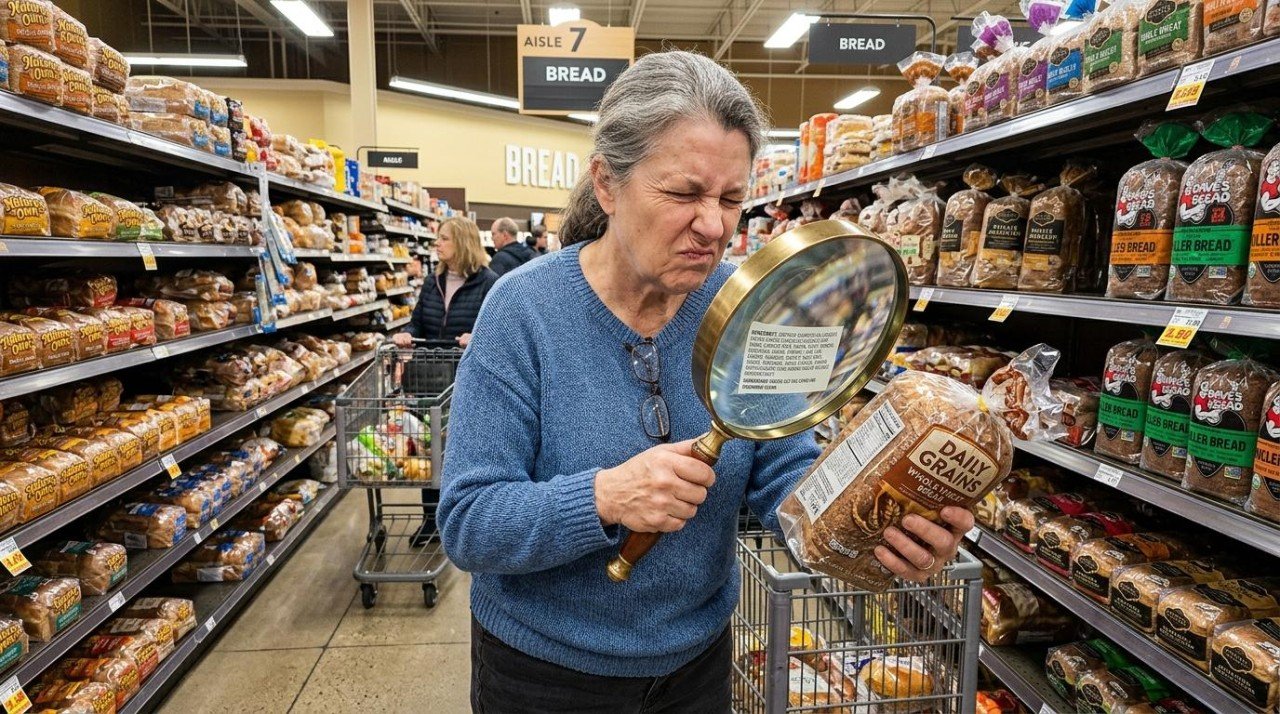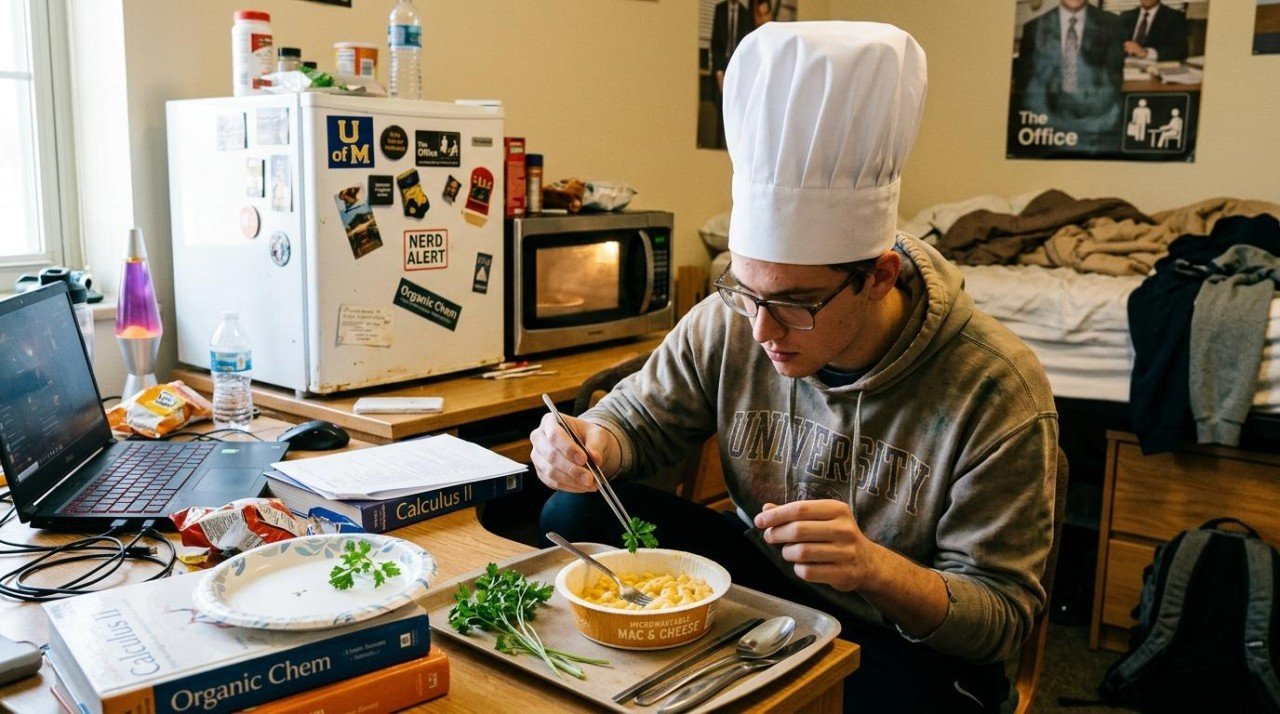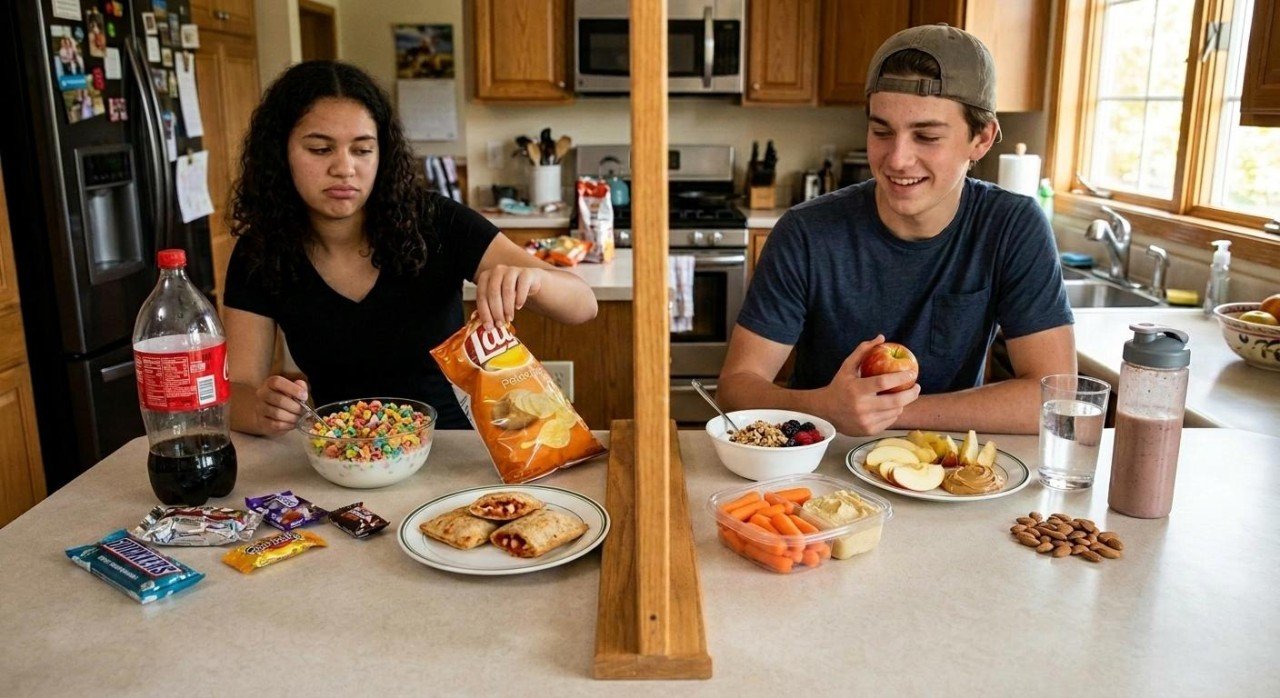
You know the scene. The door bursts open, backpacks hit the floor, and before anyone has said hello, a small voice is already announcing the day's most urgent news: I'm starving. Within minutes, half a sleeve of crackers is gone, a juice box has vanished, and you can already see how the evening is going to play out — a kid who picks at dinner two hours later and then, somehow, is hungry again at bedtime.
The after-school hunger crash is real, and it is not your child being dramatic. But the way most of us answer it — with whatever is fastest and nearest — tends to make the dinner standoff worse, not better. The good news is that a little planning turns this window from a daily skirmish into one of the easiest wins in your kid's whole day. Here is what is actually going on, and how to feed the 4 p.m. monster without sabotaging the 6 p.m. meal.
Why Kids Come Home Ravenous
By the time the school day ends, your child may have gone four or five hours since a rushed cafeteria lunch — and that lunch was often eaten early, sometimes before 11 a.m. That is a long stretch for a growing body, and the hunger that follows is a genuine metabolic signal, not a manipulation tactic.
The timing data backs this up. In a national study of snacking among U.S. children ages 1 to 19, the late-afternoon window of 3 to 6 p.m. was the single largest snacking period of the entire day, accounting for 31.3% of all daily snack calories — more than the evening, more than the morning, more than any other slice of the clock. The same study found that 71% of children's snack calories are eaten at home, which means the after-school snack is overwhelmingly your snack to shape.
What makes the crash feel so urgent is often what came before it. A lunch heavy on refined carbohydrates and light on protein — think white-bread sandwich, chips, and a sweet drink — sends blood sugar up quickly and then down just as fast, leaving a child genuinely depleted by mid-afternoon. Henry Ford Health notes that rapid rises and falls in blood sugar can drive mood changes (though it is worth saying that the popular idea that sugar makes kids hyperactive is largely a myth — sleep and routine matter far more). So when your kid walks in cranky and frantic for food, they are usually riding the bottom of an energy dip, not staging a performance.
The Snack That Backfires vs. the Snack That Works
Here is the trap: when a child is running on empty, the instinct is to grab the fastest source of fast energy — crackers, a granola bar, fruit snacks, a cookie. These work for about twenty minutes. They spike blood sugar, get burned through quickly, and leave the child hungry again right around dinnertime, except now their appetite has been blunted by a few hundred calories of refined carbs. They are too full to eat a real meal but not actually nourished — the worst of both worlds.
The fix is not to ban the snack. It is to change what the snack is made of. The two nutrients that turn a snack from a sugar bump into a steadying mini-meal are protein and fiber.
They work through different mechanisms that complement each other. Protein nudges up the appetite-quieting hormones GLP-1 and PYY and tamps down ghrelin, the hormone that drives hunger. Fiber works more mechanically: viscous fiber slows how fast the stomach empties and how quickly glucose is absorbed, which means steadier energy and a longer stretch of feeling full instead of a spike and a crash. Put them together in one snack and you take the edge off the hunger without filling your child up to the point that dinner becomes optional.
This is exactly the advice the Academy of Nutrition and Dietetics gives parents: offer a snack containing protein and fiber so it is filling, sustaining, and adds to the quality of the day's intake. The Academy's reframe is the useful part — think of a snack not as a treat or a stopgap, but as a mini-meal.
What the Research Says About Afternoon Protein
There is some genuinely encouraging research here, and it is specific to this exact time of day. A study led by Heather Leidy at the University of Missouri gave teenagers a high-protein afternoon snack and tracked what happened next. Compared with a higher-fat, lower-protein snack or no snack at all, the protein snack improved appetite control, delayed how soon the teens ate again, and reduced unhealthy snacking later in the evening.
"When kids eat high-protein snacks in the afternoon, they are less likely to eat unhealthy snacks later in the day," Leidy noted.
In other words, the right afternoon snack does not just hold a child over — it improves the whole back half of the day, including the evening grazing that so many parents battle. (The study used a soy-protein snack, but Leidy noted other quality protein sources should offer similar benefits, so you are not locked into any one food.)
Why the Default Snacks Are Such a Problem
If you have ever felt like your kid's snacks are basically dessert, the data says you are not imagining it. In a study of young children's diets, snacks supplied about 28% of total daily calories and nearly 40% of all added sugars — and sweet bakery products like cakes, cookies, and pastries alone provided 44% of the calories that came from snacks. Fruits, vegetables, and whole grains barely registered. Snacking, in other words, has quietly become one of the main delivery systems for the least nourishing food in a child's day.
Zoom out and the picture is starker. According to 2025 CDC data, American youth ages 1 to 18 now get 61.9% of their daily calories from ultra-processed foods — meaningfully more than adults. Savory snacks, sweet bakery items, and sweetened beverages are all near the top of the list. The after-school hour is one of the biggest opportunities to chip away at that number, because it is a snack you control, eaten at home, on a predictable schedule. Swap one ultra-processed snack a day for a protein-and-fiber mini-meal and you have changed a meaningful share of the week.
This is where a little structure beats willpower. When the fridge already holds cut vegetables and hummus, hard-boiled eggs, and yogurt — and the cookies are not the first thing anyone sees — the better snack becomes the easy snack. That is far easier to pull off when snacks and dinner are planned together as one connected stretch of the day rather than two separate emergencies.
This is the kind of plumbing Eat Well Planner is built to handle. You can save go-to snack ideas alongside your dinner recipes, build a week where the afternoon snack and the evening meal actually complement each other, and let the app generate a shopping list so the protein-and-fiber options are stocked and the impulse buys never make it into the cart. When the plan is already made, the after-school hour stops being a decision you have to win on the spot.
Take the Guesswork Out of Eating Well
Eat Well Planner helps you organize your favorite recipes, plan balanced meals, and automatically generate shopping lists — all in one place. Whether you're tracking macros, managing dietary restrictions, or just trying to stop asking "what's for dinner?", we've got you covered.
Our AI-powered tools can adapt any recipe to your dietary needs, help you discover new meals you'll love, and even log your nutrition effortlessly. It's meal planning made simple.
Start Organizing Your Meals — FreeTiming and Portion: The Part Most People Get Wrong
A good snack at the wrong time can wreck dinner just as effectively as a bad one. Two simple rules cover most situations.
Mind the gap before dinner. The Academy of Nutrition and Dietetics suggests offering a snack a few hours after the previous meal and roughly one to two hours before the next one. If dinner is at 6, a snack right when your child gets home around 3:30 or 4 leaves plenty of runway for appetite to return. A snack at 5:15 does not. If the schedule is tight, shrink the snack rather than skipping it — a string cheese and a few apple slices is enough to defuse the crash without erasing dinner.
Serve a portion, not a buffet. A mini-meal means a defined amount on a plate or in a bowl, not an open bag your child eats from until it is empty. The goal is to take the edge off true hunger, not to provide a second lunch. If your child genuinely finishes a reasonable protein-and-fiber snack and is still hungry, that is useful information — it may mean lunch was too light, or that dinner needs to come a little earlier.
The Homework Grazing Trap
The other way the after-school hour quietly derails dinner is grazing — the open bowl of crackers next to the homework, the handful of pretzels every time someone walks through the kitchen, the slow drip of snacking that stretches from 4 o'clock right up to the dinner table. The problem is not any single bite; it is that constant nibbling never lets real hunger build, so the child arrives at dinner with no appetite, picks at the meal, and then — predictably — is hungry again at bedtime.
Structure is the antidote, and it is gentler than it sounds. Make the after-school snack a real sit-down moment: food on a plate, at the table or counter, with homework set aside for ten minutes. When the snack is over, the kitchen is closed until dinner. That clear start and stop does two things — it gives the snack a chance to satisfy, and it lets genuine dinner hunger rebuild over the next hour or two. Pediatric nutrition experts consistently favor predictable meal-and-snack times over all-day grazing, precisely because structure protects a child's natural hunger and fullness cues instead of overriding them.
A practical detail: keep snack foods out of sight during the homework stretch. If a bag of chips is sitting on the counter, it will get eaten; if the visible, reachable options are a bowl of clementines and some cheese, those are what get grazed on the rare occasions the rule slips.
Go-To After-School Snacks (Protein + Fiber)
Every one of these pairs a protein source with a fiber source, takes a couple of minutes at most, and is kid-friendly. Mix and match based on what is in the house:
- Apple or pear slices with peanut or almond butter
- Plain Greek yogurt with berries and a sprinkle of nuts or granola
- Whole-grain crackers with cheese and a few cherry tomatoes
- Hummus with carrot sticks, cucumber, bell pepper, or whole-grain pita
- A hard-boiled egg with grapes or orange segments
- Cottage cheese with pineapple or sliced peach
- Whole-grain toast with mashed avocado
- Roasted chickpeas (crunchy, and great for the crackers-craving kid)
- Edamame, lightly salted, straight from the pod
- Trail mix made with nuts, seeds, and a small amount of dried fruit
- A banana with a spoonful of nut butter
- Air-popped popcorn with a cheese stick on the side
Notice what these have in common: real food, minimal packaging, and something to chew on. They satisfy the same cravings the ultra-processed defaults do — crunchy, creamy, sweet, salty — without the sugar spike that leaves your child hungry and dinner-resistant an hour later.
Putting It Together
The after-school I'm-starving hour is not a problem to eliminate — your child really is hungry, and feeding them well at 4 o'clock is one of the kindest, most useful things you can do. The shift is small: trade the fast-burning, ultra-processed grab for a protein-and-fiber mini-meal, serve it with a clear gap before dinner, give it a real start and stop instead of letting it bleed into hours of grazing, and keep the better options stocked and in reach.
Do that consistently and the whole evening softens. The crash gets cushioned, the dinner standoff fades, and the bedtime hunger raid largely disappears — all from one snack you were going to give anyway. The trick is just having a plan before the door bursts open.
Plan your snacks and dinners together with Eat Well Planner so the afternoon sets up the evening instead of derailing it.