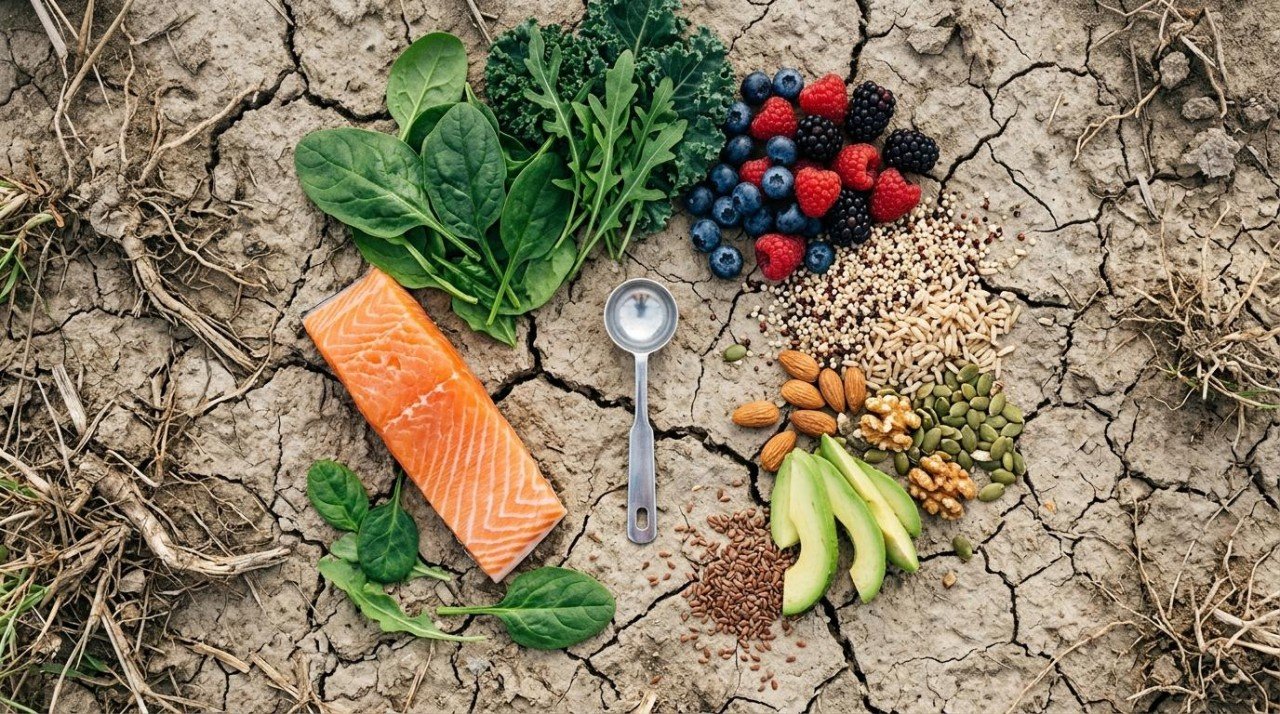
You eat reasonably well. You get your fruits and vegetables — at least some of the time. So the idea that your body might be quietly running low on essential nutrients probably feels like something that happens to other people. But the numbers say otherwise.
A landmark 2024 analysis published in The Lancet Global Health, led by researchers from Harvard, UC Santa Barbara, and the Global Alliance for Improved Nutrition, found that more than half the world's population consumes inadequate levels of several essential vitamins and minerals. We're not talking about food scarcity in developing nations — these gaps are showing up everywhere, including in people who think they're eating well.
The good news is that most of these deficiencies are fixable with food. Not supplements, not overhauls — just smarter choices about what's on your plate. Here are the ten most common nutrient gaps, what they do to your body, and exactly which foods can close them.
Why So Many of Us Are Running on Empty
Before we get to the individual nutrients, it's worth understanding why deficiencies are so widespread in an era of abundant food.
The short answer: modern diets prioritize calories over nutrition. Ultra-processed foods now make up a huge share of what people eat in wealthy countries, and while they deliver energy, they're stripped of the micronutrients your body actually needs. At the same time, food processing itself destroys nutrients — refining wheat flour, for instance, reduces its magnesium content by more than 80%.
Then there's what's happening to the food itself before it reaches your kitchen. Decades of intensive farming have depleted soils of key minerals. Research shows that the mineral density of major crops in the UK, Australia, and the US has dropped by 20 to 35 percent over the past century. Rising atmospheric CO₂ levels are making things worse, reducing the mineral content of vegetables even when they're grown in healthy soil.
Add in the modern tendency to eat the same handful of foods on rotation — the same go-to meals, the same groceries week after week — and it's easy to see how gaps develop even when you're technically "eating healthy."
1. Iron — The Energy Thief
Iron deficiency is the most common nutritional deficiency on the planet. The World Health Organization has recognized it as a global public health problem, and the Lancet study estimates that 65% of the global population — nearly 5 billion people — consumes inadequate iron.
What it does: Iron carries oxygen in your blood. Without enough, your cells are starved of the oxygen they need to produce energy. The result is fatigue that sleep doesn't fix, brain fog, pale skin, brittle nails, and a weakened immune system.
Who's most at risk: Women of reproductive age (due to menstrual blood loss), pregnant women, young children, vegetarians, and vegans. According to a 2025 study in Nature Medicine, dietary iron deficiency affects women at nearly twice the rate of men globally.
Best food sources:
- Heme iron (most easily absorbed): red meat, liver, oysters, sardines, dark poultry meat
- Non-heme iron: lentils, chickpeas, kidney beans, spinach, tofu, fortified cereals
- Absorption tip: Pair iron-rich foods with vitamin C (citrus, bell peppers, tomatoes) to dramatically boost absorption. Avoid drinking tea or coffee with iron-rich meals, as they inhibit uptake.
2. Vitamin D — The Sunshine Gap
Vitamin D deficiency is a global epidemic hiding in plain sight. A pooled analysis of 7.9 million participants across 81 countries found that nearly half (47.9%) of people worldwide have insufficient vitamin D levels. In the US alone, about 35% of adults are deficient, with rates climbing above 60% in older adults and over 80% in some ethnic minority populations.
What it does: Vitamin D regulates calcium absorption, supports immune function, and plays a role in mood regulation. Severe deficiency weakens bones, causes muscle pain and fatigue, and has been linked to increased risk of depression, autoimmune conditions, and cardiovascular disease.
Who's most at risk: People who spend most of their time indoors, those living at higher latitudes (deficiency is 1.7 times higher in winter-spring months), older adults, people with darker skin, and individuals with obesity (who have a 35% higher prevalence of deficiency).
Best food sources:
- Fatty fish (salmon, mackerel, sardines, herring) — the single best dietary source
- Cod liver oil
- Egg yolks
- Mushrooms exposed to UV light
- Fortified milk, orange juice, and cereals
Vitamin D is one nutrient where food alone often isn't enough, especially in winter. Sensible sun exposure (10–30 minutes of midday sun on exposed skin, depending on your complexion) remains the most effective source. But dietary sources still matter — they provide a baseline that keeps you from bottoming out.
3. Magnesium — The Silent Deficit
Magnesium has been called a "public health crisis" by researchers, and the description isn't hyperbole. An estimated 2.4 billion people — roughly 31% of the global population — fail to meet recommended intake. In the US, about 48% of the population consumes less than the recommended amount.
What it does: Magnesium is involved in over 300 enzymatic reactions in your body, from energy production to protein synthesis to blood pressure regulation. Subclinical deficiency (not low enough to cause obvious symptoms, but low enough to do damage) is linked to hypertension, type 2 diabetes, osteoporosis, migraines, and cardiovascular disease.
Why it's getting worse: This is where soil depletion hits hardest. Magnesium is often omitted from conventional fertilizers, and intensive farming has depleted soil reserves significantly. Food processing strips out most of what remains — refined wheat flour contains just 20 mg of magnesium per 100g, compared to 120 mg in the whole grain.
Best food sources:
- Pumpkin seeds, almonds, cashews
- Dark chocolate (70%+ cocoa)
- Spinach, Swiss chard, black beans
- Whole grains (quinoa, brown rice, oats)
- Avocado and bananas
4. Vitamin B12 — The Nerve Protector
B12 deficiency can be sneaky. Your body stores years' worth of it, so you can be slowly depleting reserves without knowing until symptoms appear. According to the NIH Office of Dietary Supplements, about 3.6% of US adults are deficient, with another 12.5% showing insufficient levels — and the real figure is likely higher in older populations, where absorption decreases.
What it does: B12 is essential for nerve function, DNA synthesis, and red blood cell production. Deficiency can cause numbness and tingling in hands and feet, memory problems, difficulty concentrating, depression, fatigue, and balance issues. Left untreated, it can lead to irreversible nerve damage.
Who's most at risk: Vegans and strict vegetarians (B12 is found almost exclusively in animal foods), adults over 50 (stomach acid decreases with age, reducing absorption), people taking certain medications (metformin, proton pump inhibitors), and those with digestive conditions like Crohn's disease or celiac disease.
Best food sources:
- Clams and oysters (among the richest natural sources)
- Beef liver
- Salmon, trout, tuna
- Eggs and dairy products
- Fortified nutritional yeast (an important source for vegans)
- Fortified plant milks and cereals
Take the Guesswork Out of Eating Well
Eat Well Planner helps you organize your favorite recipes, plan balanced meals, and automatically generate shopping lists — all in one place. Whether you're tracking macros, managing dietary restrictions, or just trying to stop asking "what's for dinner?", we've got you covered.
Our AI-powered tools can adapt any recipe to your dietary needs, help you discover new meals you'll love, and even log your nutrition effortlessly. It's meal planning made simple.
Start Organizing Your Meals — Free5. Calcium — Beyond Just Bones
Calcium deficiency is staggeringly common. The Lancet Global Health study found that 66% of the world's population — about 5 billion people — doesn't consume enough. Despite the dairy-heavy Western diet, many adults in wealthy countries still fall short.
What it does: Beyond building and maintaining bones, calcium is critical for muscle contraction, nerve signaling, blood clotting, and heart rhythm. Chronic inadequate intake doesn't just increase fracture risk later in life — it forces your body to leach calcium from bones to maintain blood levels, quietly weakening your skeleton for years before osteoporosis shows up.
Who's most at risk: Postmenopausal women, people who avoid dairy, adolescents and young adults (peak bone-building years), and those with low vitamin D (since D is required for calcium absorption).
Best food sources:
- Yogurt, milk, cheese
- Sardines and canned salmon (with bones)
- Tofu (calcium-set)
- Kale, broccoli, bok choy
- Fortified plant milks and orange juice
- Almonds and sesame seeds
6. Omega-3 Fatty Acids — The Brain and Heart Essential
Omega-3 deficiency doesn't get the same attention as iron or vitamin D, but the data suggests it should. Research using NHANES data found that most US adults consume far less omega-3-rich fish than recommended — averaging just 0.61 ounces of fish per day, a fraction of the two servings per week advised by the American Heart Association.
What it does: The omega-3 fats EPA and DHA are structural components of your brain and retina and are essential for reducing inflammation throughout the body. Inadequate intake is associated with increased risk of heart disease, depression, cognitive decline, and inflammatory conditions. Globally, insufficient omega-3 intake contributed to over 627,000 heart disease deaths in 2021.
Who's most at risk: Anyone who rarely eats fish, vegans and vegetarians (EPA and DHA are primarily found in seafood), and people whose diets are high in omega-6 fats (common in processed foods and vegetable oils), which can interfere with omega-3 utilisation.
Best food sources:
- EPA and DHA: Salmon, mackerel, sardines, herring, anchovies, trout
- ALA (plant-based omega-3): Flaxseeds, chia seeds, walnuts, hemp seeds
- Algal oil supplements (a vegan source of DHA)
Note: Your body can convert ALA to EPA and DHA, but the conversion rate is very low (typically under 10%). If you don't eat fish, getting a direct source of DHA — whether from algal oil or fortified foods — is worth considering.
7. Folate — The Cell Builder
Over 54% of the global population consumes inadequate folate, according to the 2024 Lancet analysis. While mandatory fortification of grain products has reduced severe deficiency in some countries, many people still fall short — especially those eating fewer whole grains and vegetables.
What it does: Folate (vitamin B9) is essential for cell division and DNA synthesis. It's especially critical during pregnancy, where deficiency is linked to neural tube defects. But it matters for everyone — low folate is associated with fatigue, mouth sores, poor concentration, irritability, and elevated homocysteine levels (a risk factor for heart disease).
Who's most at risk: Women of childbearing age, pregnant women, people with alcohol use disorders, those with malabsorption conditions, and anyone on a limited diet low in vegetables and legumes.
Best food sources:
- Dark leafy greens (spinach, romaine lettuce, asparagus)
- Lentils, chickpeas, black-eyed peas
- Broccoli and Brussels sprouts
- Avocado
- Beetroot
- Fortified cereals and breads
8. Zinc — The Immune Workhorse
Zinc doesn't get much airtime outside of cold-remedy marketing, but it's involved in over 100 enzymatic reactions and is essential for immune function, wound healing, taste and smell, and protein synthesis. Globally, zinc inadequacy is common, with the Lancet study finding it particularly prevalent among men.
What it does: Even mild zinc deficiency impairs immune response, slows wound healing, and can cause loss of appetite, hair loss, and skin problems. In children, it stunts growth. In adults, it increases susceptibility to infections and slows recovery.
Who's most at risk: Vegetarians and vegans (plant-based zinc is less bioavailable due to phytates), pregnant and breastfeeding women, older adults, and people with gastrointestinal conditions.
Best food sources:
- Oysters (the richest food source by far)
- Red meat, poultry
- Pumpkin seeds, cashews
- Chickpeas, lentils, baked beans
- Whole grains (note: soaking or sprouting grains reduces phytates and improves zinc absorption)
9. Potassium — The Forgotten Electrolyte
Potassium is one of the most under-consumed nutrients in modern diets. Studies from the Linus Pauling Institute at Oregon State University have found that the vast majority of the US adult population falls below the recommended adequate intake for potassium.
What it does: Potassium regulates fluid balance, muscle contractions, and nerve signals. Most importantly, it counteracts the blood-pressure-raising effects of sodium. Diets high in sodium and low in potassium — which describes most modern Western diets — are a well-established recipe for hypertension and cardiovascular disease.
Who's most at risk: People who eat a lot of processed food (high sodium, low potassium), those on restricted diets, and people who don't eat many fruits and vegetables.
Best food sources:
- Sweet potatoes, regular potatoes (with skin)
- Bananas, oranges, cantaloupe
- Spinach, Swiss chard, tomatoes
- White beans, lentils
- Salmon and tuna
- Yogurt and milk
10. Iodine — The Metabolic Regulator
Iodine topped the list in the 2024 Lancet analysis, with 68% of the global population consuming inadequate amounts — making it the most widespread dietary deficiency measured. While iodised salt has dramatically reduced severe iodine deficiency in many countries, milder insufficiency remains extremely common.
What it does: Your thyroid gland needs iodine to produce hormones that regulate metabolism, growth, and development. Deficiency leads to thyroid dysfunction, which can manifest as fatigue, weight gain, sensitivity to cold, dry skin, and cognitive sluggishness. During pregnancy, severe deficiency can cause developmental problems in children.
Who's most at risk: People who don't use iodised salt (including those who've switched to sea salt, Himalayan salt, or other non-iodised varieties), vegans (dairy is a major iodine source in many diets), pregnant women (who need more), and people in regions with iodine-depleted soils.
Best food sources:
- Seaweed (kelp, nori, wakame) — the richest natural source
- Cod, tuna, shrimp
- Dairy products (milk, yogurt, cheese)
- Eggs
- Iodised salt
Meals That Cover Multiple Gaps at Once
You don't need ten separate strategies for ten separate nutrients. Many nutrient-dense foods pull double or triple duty. Here are some straightforward meal ideas that address several deficiencies simultaneously:
- Salmon with spinach and sweet potato: Covers vitamin D, omega-3s, iron, magnesium, folate, potassium, and B12 in a single plate.
- Sardines on wholegrain toast with a side salad: Delivers calcium, omega-3s, vitamin D, B12, iron, and iodine.
- Lentil and vegetable curry with brown rice: Rich in iron, folate, magnesium, potassium, zinc, and fiber. Squeeze lemon over it for vitamin C to boost iron absorption.
- Greek yogurt with pumpkin seeds, banana, and berries: Hits calcium, magnesium, zinc, potassium, B12, and iodine.
- Eggs scrambled with kale, mushrooms, and a sprinkle of seaweed flakes: Covers B12, vitamin D, folate, iodine, calcium, and iron.
- Black bean and avocado bowl with quinoa: Delivers iron, magnesium, folate, potassium, zinc, and omega-3s (from the avocado and quinoa).
The theme is simple: eat a wide variety of whole foods, prioritize plants alongside quality animal proteins (or well-planned plant alternatives), and stop relying on the same five meals every week. The more diverse your plate, the more nutritional bases you cover.
The Food-First Approach
Supplements have their place — vitamin D in winter, B12 for vegans, folate during pregnancy — but they're not a substitute for a nutrient-dense diet. Nutrients from food come packaged with co-factors, fiber, and other compounds that affect how well they're absorbed and used. Iron from spinach behaves differently in your body than iron from a pill. The whole is genuinely greater than the sum of its parts.
The real challenge isn't knowledge — it's logistics. Most people already know they should eat more vegetables, more fish, more variety. The hard part is translating that into actual meals, actual shopping lists, and actual plans that survive a busy week.
That's where a tool like Eat Well Planner can genuinely help. You can save recipes that hit the nutrients you need, then use the AI-powered meal planner to build a week of balanced meals around them. The nutrition tracking lets you see where your gaps actually are — maybe you're fine on iron but consistently low on magnesium — so you can focus on what matters for your body rather than following generic advice. And because it automatically generates your shopping list, you're more likely to actually have the right ingredients in your kitchen when it's time to cook.
Nutrient deficiencies aren't dramatic. They don't announce themselves with alarms. They creep in gradually — a little more fatigue, slightly worse sleep, a lingering cold that takes longer to shake. But the fix is usually simpler than you think: more variety on your plate, more whole foods, and a plan that makes it easy to follow through.
Your body is remarkably good at healing itself when you give it what it needs. The ten nutrients above are a good place to start.