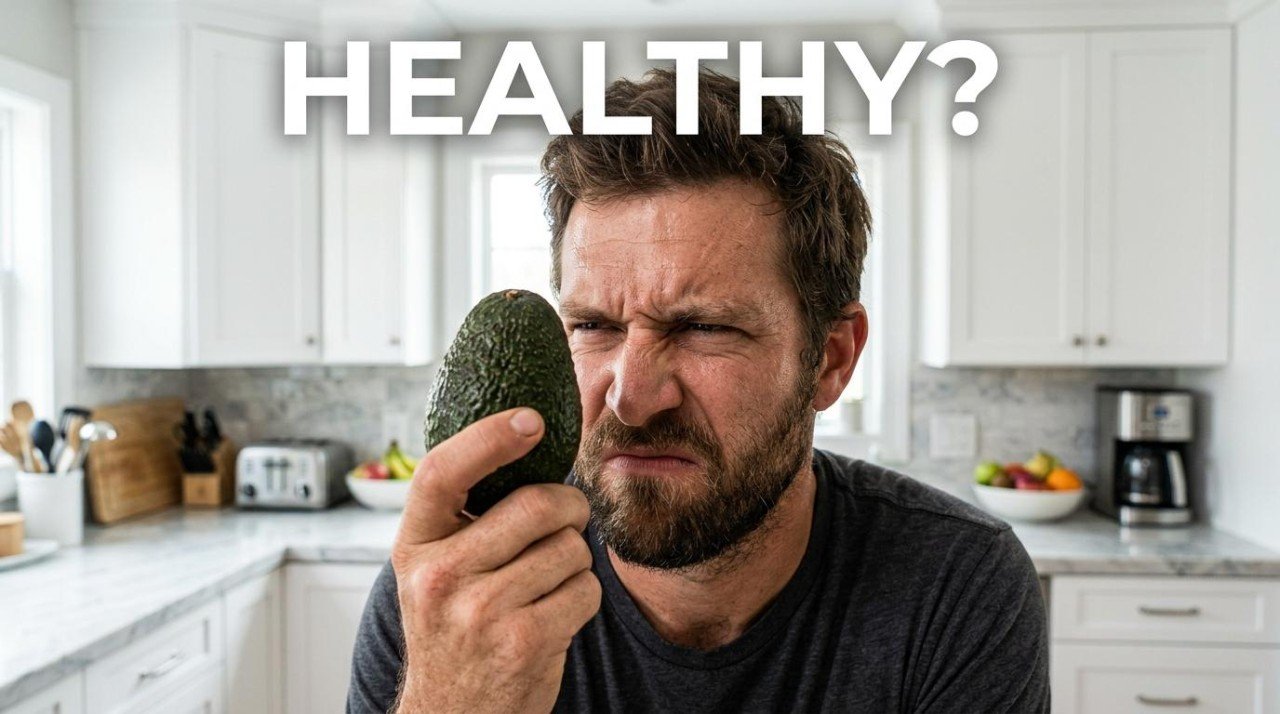
You did everything right. You traded the drive-thru for lentils and leafy greens, added a daily kombucha, started topping your oatmeal with ground flax, and made beans a weekly habit. By every measure of conventional nutrition advice, your plate has never looked better. So why do you feel worse — bloated by mid-morning, gassy, and uncomfortably distended by dinner?
If that paradox sounds familiar, you are not imagining it, and you are not doing anything wrong. For a subset of people, the very foods we celebrate as gut-friendly — high-fiber vegetables, fermented foods, prebiotics, beans, and whole grains — can trigger more discomfort, not less. One of the most common reasons is a condition called small intestinal bacterial overgrowth, or SIBO. Understanding it can help you stop blaming yourself, and more importantly, point you toward the right kind of help.
What Is SIBO?
Your gut is home to trillions of bacteria, but they are not supposed to be evenly distributed. The vast majority live in your large intestine (your colon), where fermentation is part of the plan. Your small intestine — where most of your food is actually digested and absorbed — is meant to stay relatively sparse by comparison.
SIBO is what happens when that balance breaks down and an excessive number of bacteria colonize the small intestine. According to the Cleveland Clinic, the problem usually traces back to one of a few issues: sluggish motility that fails to sweep contents forward, structural problems like adhesions or obstructions that create pockets where bacteria pool, or low stomach acid that allows bacteria to survive when they should be killed off.
The result is bacteria fermenting your food in the wrong place. And that single fact explains the frustrating paradox at the heart of this post.
Why Your "Healthiest" Foods Might Be the Problem
Here is the mechanism in plain terms. When bacteria break down carbohydrates, they release gas. As the StatPearls clinical reference explains, when bacteria metabolize carbohydrate substrates, they produce hydrogen or methane, and carbohydrate malabsorption leads to abdominal distension from that gas, along with excess flatulence. In a healthy gut, most of this fermentation happens in the colon, which is built to handle it. In SIBO, it happens higher up, in the small intestine, where the gas causes bloating, pressure, and pain.
Now think about what fiber, prebiotics, and fermented foods have in common: they are designed to feed bacteria. Soluble fiber is a prebiotic — it is readily fermented. Foods rich in FODMAPs (fermentable oligosaccharides, disaccharides, monosaccharides, and polyols) — think onions, garlic, beans, wheat, and many fruits — are highly fermentable by nature. In a person without SIBO, that is exactly why these foods are good for you: they nourish a thriving colonic microbiome. But if you have a bacterial overgrowth in your small intestine, those same foods hand the misplaced bacteria a feast, and you pay for it with gas and bloating within hours.
This is why the standard advice to simply eat more fiber and fermented foods can backfire so spectacularly for this group. It is not that the advice is wrong in general — it is that it assumes your gut bacteria are where they belong.
SIBO Is Not the Same as IBS (But They Overlap)
If you have been told you have irritable bowel syndrome (IBS), the symptoms above might sound awfully familiar. That is no coincidence. The two conditions overlap substantially. A 2018 systematic review and meta-analysis of 50 studies covering more than 8,000 people with IBS found a pooled SIBO prevalence of 38%, and people with IBS had roughly 4.7 times the odds of testing positive for SIBO compared with healthy controls. The association was strongest in the diarrhea-predominant subtype of IBS.
The key distinction, as the Cleveland Clinic puts it, is that bacterial overgrowth can be clinically verified and treated, whereas IBS is diagnosed when symptoms lack a clear physical explanation. In other words, SIBO can be an identifiable, treatable driver behind what otherwise gets labeled as IBS. That matters, because it means there may be a more specific path forward than managing symptoms indefinitely.
The Symptoms to Watch For
SIBO symptoms are mostly digestive, and they tend to cluster:
- Bloating and visible abdominal distension, often worsening through the day
- Excess gas and flatulence
- Abdominal pain or discomfort
- Diarrhea, constipation, or an alternating mix
- Nausea and indigestion
- Fatigue
In more advanced cases, SIBO interferes with how you absorb nutrients. The Cleveland Clinic notes that untreated overgrowth can lead to malabsorption, malnutrition, and vitamin deficiencies — including vitamin B12 deficiency, which can affect the nervous system, and poor calcium absorption that raises the risk of bone loss. Unintentional weight loss can occur too. These are exactly the kinds of complications that make professional evaluation worthwhile rather than optional.
One especially telling clue: if your symptoms get noticeably worse when you eat more of the foods everyone calls healthy, that pattern is worth paying attention to — and worth documenting before you see a clinician.
Take the Guesswork Out of Eating Well
Eat Well Planner helps you organize your favorite recipes, plan balanced meals, and automatically generate shopping lists — all in one place. Whether you're tracking macros, managing dietary restrictions, or just trying to stop asking "what's for dinner?", we've got you covered.
Our AI-powered tools can adapt any recipe to your dietary needs, help you discover new meals you'll love, and even log your nutrition effortlessly. It's meal planning made simple.
Start Organizing Your Meals — FreeWhat Actually Causes the Overgrowth
SIBO is rarely random. It is usually a downstream consequence of something else going on in your body, which is a big part of why diet alone tends not to fix it. The most important underlying factor is your gut's natural cleaning mechanism: the migrating motor complex (MMC). As StatPearls describes, these are the waves of contraction responsible for sweeping the small intestine clean between meals and preventing bacteria from migrating backward up the digestive tract. When the MMC is impaired, bacteria are no longer cleared efficiently, and overgrowth can take hold.
A review of SIBO epidemiology highlights how many conditions and circumstances raise the risk. Slowed transit time from intestinal motility disorders, diabetes, or other diseases is a major mechanism. Proton pump inhibitors — common acid-reducing medications — were associated with a significantly increased risk (odds ratio around 1.71), because stomach acid is one of your body's defenses against bacterial overgrowth. Risk also climbs with age. And rates are strikingly high after certain abdominal surgeries: the same review reported SIBO in roughly 62% to 78% of people after gastrectomy and 37% to 73% after bariatric surgery.
The practical takeaway is this: SIBO is often a symptom of an underlying issue with motility, anatomy, or stomach acid. Treating the overgrowth without addressing that root cause is why it so often comes back.
How SIBO Is Diagnosed — and Why You Should Not Self-Diagnose
You cannot diagnose SIBO from symptoms alone, because, as we have seen, those symptoms overlap with IBS, food intolerances, and plenty of other conditions. The most common non-invasive test is a hydrogen-methane breath test. After you drink a sugar solution — typically glucose or lactulose — your breath is sampled over a couple of hours to measure the gases that gut bacteria produce. Per the North American Consensus criteria, a rise in hydrogen of at least 20 parts per million within 90 minutes is considered positive, and a methane level of at least 10 ppm is considered positive for methane-producing overgrowth.
Breath testing is inexpensive and safe, but it is genuinely imperfect. The same review notes meaningful limitations in sensitivity and specificity, and results vary depending on the substrate used and how fast food moves through your gut. The more invasive gold standard — culturing fluid sampled directly from the small intestine — has its own debated thresholds (somewhere between 1,000 and 100,000 bacteria per milliliter, depending on the criteria). All of this is precisely why interpretation belongs with a clinician.
The American College of Gastroenterology guideline suggests breath testing specifically for symptomatic patients — for example, those with IBS, suspected motility disorders, or symptoms after abdominal surgery — rather than testing people with no symptoms. In short, this is a medical workup, not a self-assessment. Ordering an at-home test and acting on the result without professional guidance can lead you to restrict your diet unnecessarily or miss a different diagnosis entirely.
Why Diet Alone Usually Will Not Fix It
Here is the part that surprises many people who arrive at SIBO hoping the right eating plan will cure them: it generally will not, at least not on its own. Because SIBO is an actual overgrowth of bacteria, often layered on top of an underlying motility or structural problem, the mainstay of treatment is medical. The ACG guideline suggests antibiotics in symptomatic patients to reduce the overgrowth and resolve symptoms. Beyond clearing the bacteria, clinicians work to address the root cause — for example, supporting motility — to lower the odds of recurrence.
Diet still has an important supporting role, but its job is to manage symptoms and reduce the fuel available to the misplaced bacteria while the real treatment does its work. As the Cleveland Clinic emphasizes, a SIBO eating plan is something a healthcare provider may suggest in addition to antibiotics or other therapies — not as a replacement for them. A low-FODMAP approach can ease symptoms by cutting back on the most fermentable carbohydrates, but it is explicitly meant to be temporary; following it long term is not recommended precisely because those fermentable foods feed the beneficial microbes you want to keep.
Eating Well During and After Treatment
So what does smart eating look like while you and your clinician tackle SIBO? The general shape, drawn from the dietary guidance above, looks something like this:
- Short-term, targeted reduction. During active treatment, a temporary low-fermentation or low-FODMAP pattern can calm symptoms by giving the overgrown bacteria less to work with. This is a few weeks, not a way of life.
- Gradual reintroduction. Once symptoms settle, fermentable foods and fiber are added back slowly — often starting with gentler soluble fibers — one category at a time, so you can learn what you personally tolerate. As the Cleveland Clinic notes, these plans are highly individual and not black-and-white.
- Rebuilding diversity. The long-term goal is not permanent restriction. It is to return to a varied, plant-rich diet that feeds a healthy microbiome — once your gut is in a place to handle it.
The hardest part of all this is the detective work: figuring out which specific foods set off your symptoms, and tracking how that changes as treatment progresses. This is where keeping a careful, honest food and symptom record becomes genuinely valuable — both for you and for the clinician guiding your care.
That is one place a tool like Eat Well Planner can quietly help. Its food diary lets you log what you eat — by text or even voice — and review your intake alongside how you felt, so patterns that are invisible day to day start to stand out over weeks. Bringing that kind of record to an appointment gives your doctor or dietitian far more to work with than trying to recall last Tuesday's lunch from memory. And when you need to temporarily adapt a favorite recipe — swapping out the garlic and onion, dialing back the beans, or finding a lower-FODMAP version of a dish you love — the AI recipe chat can suggest substitutions on the spot, so a restricted phase feels less like deprivation and more like a detour. When you are cleared to broaden your diet again, the meal planning and recipe tools make it easier to rebuild variety without the daily decision fatigue.
The Bigger Picture
The reason SIBO is worth understanding, even if you turn out not to have it, is that it dismantles a tempting but flawed assumption: that more of a good thing is always better. Fiber, fermented foods, and prebiotics are genuinely good for most people most of the time. The 30-plants-a-week, eat-the-rainbow advice is sound. But health is not a simple dial you crank up; it depends on the rest of your system working as designed. When fermentation happens in the wrong place, the same foods that build a robust microbiome can become a source of misery.
If you see yourself in this paradox — feeling worse the healthier you eat — the answer is not to give up on vegetables or to white-knuckle through the discomfort. It is to get evaluated. Talk to a gastroenterologist or your primary care provider, describe the pattern, and ask whether SIBO is worth ruling out. Resist the urge to self-diagnose from a symptom checklist or to start cutting out whole food groups on your own; that can do more harm than good and may delay finding the real cause.
Eating well should make you feel better, not worse. When it does not, that is your body asking for a closer look — not a verdict that you have failed. With the right diagnosis and support, the goal is always the same: getting back to a plate full of real, varied, nourishing food that your gut can actually enjoy.
This article is for general information and is not a substitute for medical advice. If you have persistent digestive symptoms, please consult a qualified healthcare professional.