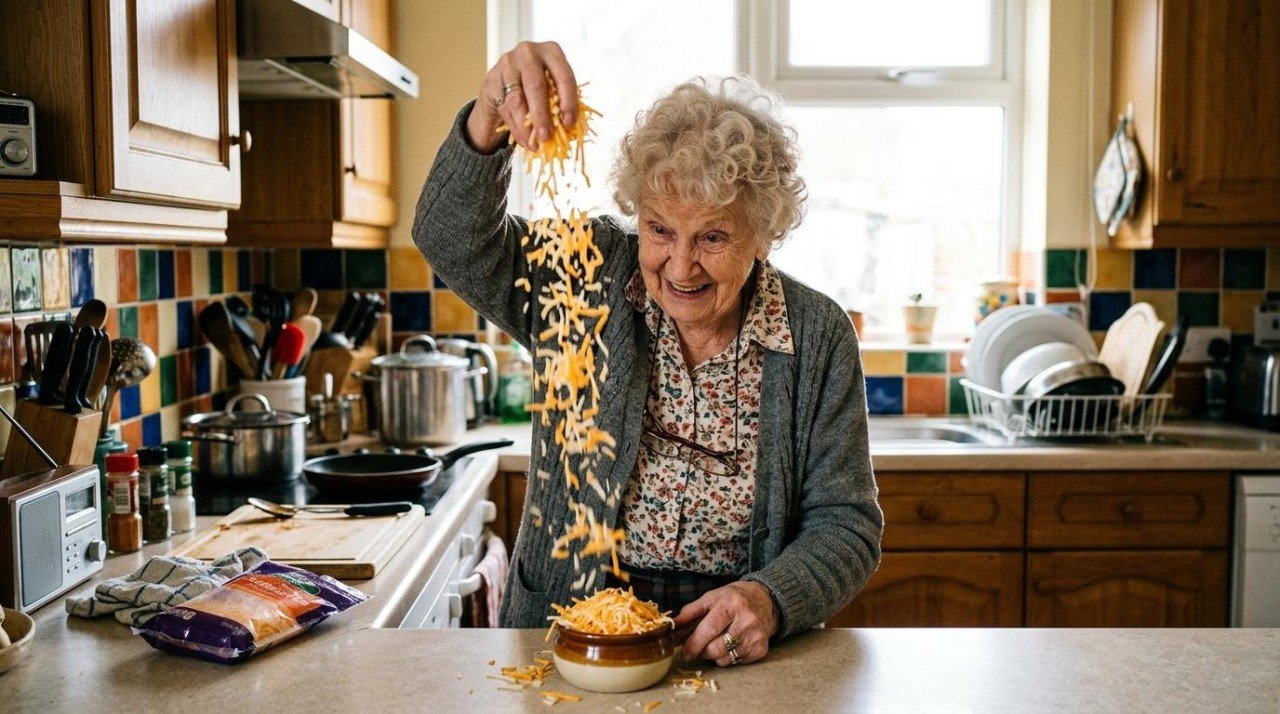
It often starts with something small. You visit your mom and notice the fridge is fuller than it should be — the same carton of soup you brought last week, still unopened. Or your dad, who used to clean his plate, now pushes food around and says he is just not that hungry anymore. Maybe it is a shirt that suddenly hangs loose, or a doctor's note about weight loss nobody meant to happen.
If you are the adult child or caregiver watching this from the sidelines — sometimes from another state — it is easy to feel a low hum of worry without knowing what to actually do about it. The good news is that a declining appetite in an older parent is rarely a mystery, and it is rarely something you have to accept as just part of getting old. There are real, understandable reasons aging changes how people eat, and there are practical, dignified ways to help.
Why Appetite Fades With Age
Doctors have a name for the loss of appetite that tends to arrive with older age: the anorexia of aging. It is common enough that it is easy to overlook. In a large systematic review published in the Journal of Cachexia, Sarcopenia and Muscle, the prevalence of appetite loss among older adults ranged widely by setting — from a few percent in some community groups to well over half in hospitalized patients — and it was consistently tied to a higher risk of malnutrition and death, with appetite loss raising the risk of dying by roughly 30 to 35 percent in the largest study of more than 1.4 million older adults.
That sounds alarming, and it is worth taking seriously. But the reasons behind it are usually a stack of small, addressable things rather than one big scary one. A task force report from the International Conference on Frailty and Sarcopenia Research lays out the many overlapping causes, which tend to fall into a few buckets:
- Taste and smell change. We are born with around 10,000 taste buds, and as we age they begin to shrink and decline in number, while the sense of smell — which drives much of what we experience as flavor — fades noticeably after about age 70. Food that once tasted rich can start to taste like nothing, and when eating stops being enjoyable, people simply eat less.
- Thirst quietly disappears. Older adults carry less water in their bodies and their sense of thirst dulls, so by the time a senior actually feels thirsty, that is already a sign of early dehydration. Dehydration can blunt appetite, cause confusion, and increase the risk of falls and urinary tract infections.
- Dental and swallowing trouble. Sore gums, ill-fitting dentures, missing teeth, or a dry mouth make chewing a chore. If a food is hard to eat, it stops getting eaten.
- Medications and illness. Many common drugs — and simply taking a lot of them, known as polypharmacy — can suppress appetite, cause nausea, create a metallic taste, or dry out the mouth. Chronic conditions and the fatigue that comes with them add to the effect.
- Low mood and isolation. Depression, grief, and loneliness all reduce the desire to eat. This one deserves its own section, because it may be the most overlooked and the most fixable.
Underneath all of these sits a slower change: with each passing decade, adults who are not doing regular strength training can lose 4 to 6 pounds of muscle. This age-related muscle loss, called sarcopenia, affects close to half of adults over 80 and drives frailty, falls, and loss of independence. When a parent eats less — and especially eats less protein — that muscle erodes faster, which is why an aging appetite is not just about the number on the scale. It is about strength, mobility, and staying independent.
Eating Alone Is Its Own Risk Factor
One of the most striking findings in this research has nothing to do with biology. Humans are wired to eat more, and more happily, in company — a phenomenon researchers actually call the social facilitation of eating. When an older person eats alone day after day, the reverse happens: the social cues that trigger hunger fade, cooking for one feels pointless, meals get skipped, and intake of protein, fruits, and vegetables drops. Social isolation is linked to higher odds of the anorexia of aging, and when isolation and loneliness stack together, they raise mortality risk further.
The practical takeaway is hopeful: sharing meals is not a nicety, it is nutrition. A standing lunch date, a phone or video call timed to a meal, a senior center dining program, or simply eating together when you visit can move the needle on how much a parent actually eats.
Practical Strategies That Actually Help
You do not need to overhaul everything at once. A handful of targeted changes tends to do the most good.
Make every bite count — starting with protein
When someone is only eating small amounts, the quality of those amounts matters enormously. Protein is the priority, because it is what protects against muscle loss. The standard adult recommendation of about 0.8 grams of protein per kilogram of body weight is now widely considered too low for older adults; expert groups such as PROT-AGE recommend older people aim higher — roughly 1.0 to 1.2 grams per kilogram, or more during illness — and spread it across the day, with about 25 to 30 grams of protein at each meal to actually stimulate muscle-building. This matters because older bodies are less efficient at using protein, so a big steak at dinner and toast for breakfast does not cut it. Better to have eggs or Greek yogurt at breakfast, some chicken or beans at lunch, and fish or lentils at dinner.
Alongside protein, lean toward nutrient-dense foods — items that pack vitamins, minerals, and healthy fats into small, easy-to-eat servings. Think eggs, Greek yogurt, nut butters, avocado, oily fish, beans, cheese, and full-fat dairy where appropriate. When appetite is small, this is one moment where calorie density is a friend, not a foe.
Smaller, more frequent meals — and snacks that pull their weight
A large plate can be overwhelming to someone who fills up fast. Three smaller meals plus two or three nutrient-dense snacks is often far easier to manage. Good snacks do real work here: a handful of nuts, cheese and crackers, yogurt with fruit, a boiled egg, hummus with soft vegetables, or a glass of milk. The goal is to make sure that even a light-eating day still adds up to enough.
Fortify and soften
You can quietly raise the nutrition of foods a parent already likes. Stir milk powder or a scoop of protein into soups, oatmeal, and mashed potatoes. Add olive oil, butter, cheese, or cream to vegetables and grains. Blend fruit, yogurt, nut butter, and milk into a smoothie that is easy to sip. For dental or swallowing issues, favor softer textures — stews, casseroles, scrambled eggs, cottage cheese, well-cooked vegetables, oatmeal, soups — so that eating never hurts. If a favorite recipe is too tough to chew, it can usually be adapted rather than abandoned.
Rebuild flavor honestly
If taste has faded, the temptation is to pile on salt — but there are better tools. Herbs, spices, citrus, garlic, vinegar, caramelized onions, and umami-rich foods like mushrooms, tomatoes, and parmesan can bring food back to life without the blood-pressure cost of heavy salting. Serving food warm rather than lukewarm also helps aromas come through.
Do not forget fluids
Because thirst is an unreliable signal in older age, hydration needs to be offered rather than waited for. Keep a filled glass or water bottle within reach and in view, offer small sips throughout the day rather than one big glass, and remember that soups, fruit, yogurt, milk, and herbal teas all count toward fluid intake. Little and often works better than nagging someone to chug water.
Take the Guesswork Out of Eating Well
Eat Well Planner helps you organize your favorite recipes, plan balanced meals, and automatically generate shopping lists — all in one place. Whether you're tracking macros, managing dietary restrictions, or just trying to stop asking "what's for dinner?", we've got you covered.
Our AI-powered tools can adapt any recipe to your dietary needs, help you discover new meals you'll love, and even log your nutrition effortlessly. It's meal planning made simple.
Start Organizing Your Meals — FreeReduce the friction of cooking and shopping
Sometimes the barrier is not appetite at all — it is that shopping and cooking have become exhausting. Fatigue, mobility limits, and living alone all make the daily what-should-I-eat question feel like too much. This is where planning ahead, batch cooking, a grocery delivery service, or a community meal program can turn a struggle into something manageable. If you live far away, a shared plan you can both see makes it possible to support your parent's eating from a distance without hovering.
This is exactly the kind of logistics a tool like Eat Well Planner is built to smooth out. You can set up a dedicated profile for your parent with their specific goals — targeting higher protein and the nutrients that matter most — and let the app build simple, balanced weekly meal plans from easy, quick-to-prepare recipes. It generates an organized shopping list automatically, so whoever does the shopping (you, a sibling, a delivery service, or your parent) knows exactly what to buy with no guesswork. You can use the AI recipe chat to adapt a beloved family recipe into a softer, easier-to-chew, or higher-protein version, and the food diary makes it easy to keep a loose eye on whether they are actually eating enough — even from another city. It turns a vague worry into a concrete, shareable plan.
Approach It With Dignity, Not Control
Here is the part that is easy to get wrong when you love someone: worry can slide into hovering, and hovering can feel, to your parent, like a loss of control over one of the last domains that is entirely theirs — what and when they eat. Nagging, monitoring every bite, or treating mealtimes as a battle tends to backfire, and it can chip away at the relationship.
Aim to make eating easier and more pleasant rather than more supervised. Offer choices instead of ultimatums. Cook together when you can. Frame changes as adding good things — a protein-rich breakfast, a shared lunch, a favorite meal made a little easier to chew — rather than policing what they should not do. The goal is a parent who feels supported and capable, not managed.
Red Flags: When to Involve a Professional
Home strategies go a long way, but some signs mean it is time to bring in a doctor or a registered dietitian. Unintended weight loss in particular should never be brushed off as normal aging. Cleveland Clinic advises seeking medical care as soon as someone loses 10 pounds or more than 5 percent of their body weight without trying, because it can be a symptom of a serious illness such as a thyroid problem, diabetes, gastrointestinal disease, depression, or cancer. Talk to a health care professional if you notice:
- Unintended weight loss, loose-fitting clothes, or a notably bonier frame
- A persistent drop in appetite that lasts more than a week or two
- Difficulty or pain when chewing or swallowing, or frequent coughing during meals
- Signs of dehydration — confusion, dizziness, dark urine, dry mouth, fatigue
- Low mood, withdrawal, or loss of interest in things they used to enjoy
- A new medication that lines up with a change in eating
- Growing weakness, unsteadiness, or falls, which can point to muscle loss
A dietitian can build a realistic, individualized plan, and a doctor can check for reversible causes — swapping a medication, treating a mouth infection, addressing depression, or recommending oral nutrition supplements when food alone is not enough. You are not overreacting by asking. Catching undernutrition early is far easier than reversing it later.
The Bottom Line
A parent who is not eating well is not a lost cause, and it is not a character flaw on anyone's part. Aging appetites change for real, understandable reasons — dulled taste and smell, faded thirst, dental trouble, medications, muscle loss, and above all, too many meals eaten alone. Each of those has a practical response: protein at every meal, nutrient-dense and easy-to-eat foods, fortified and softened favorites, steady fluids, and, maybe most powerful of all, company at the table.
You cannot control everything from a distance, but you can lower the barriers so that eating well becomes the easy path for someone you love — and you can do it in a way that leaves their dignity fully intact.
Try setting up a profile for your parent with Eat Well Planner — target the protein and nutrients they need, build simple weekly plans, and generate a shopping list that makes it easy to keep them well-fed, even from far away.