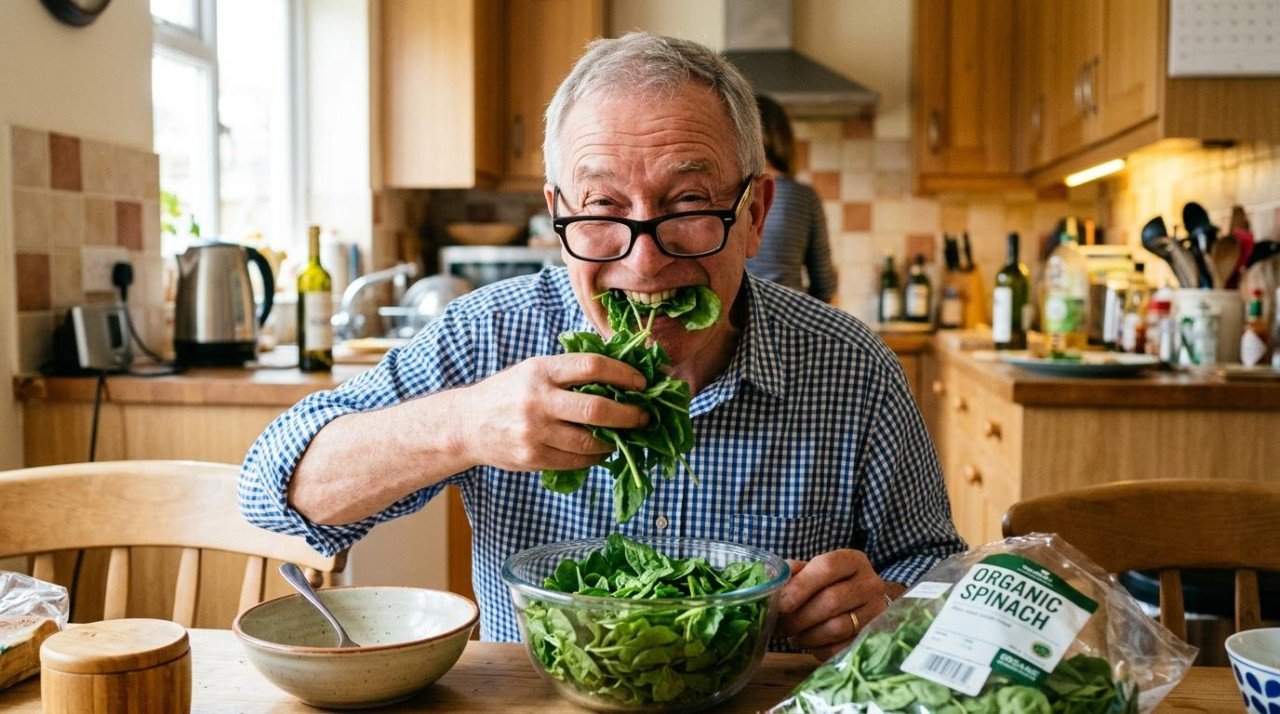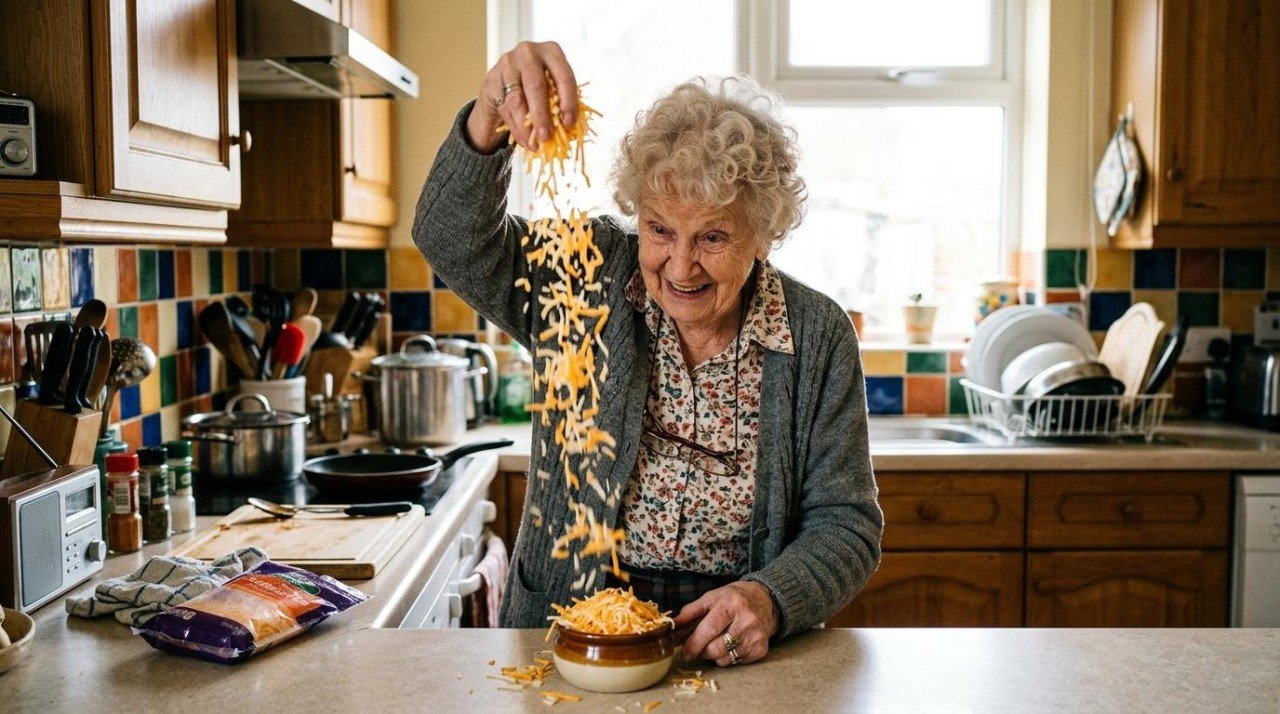
There is a quiet kind of undernutrition that rarely makes headlines. It does not come from a lack of food in the house. It comes from a smaller appetite, the effort of cooking a full meal for one person, a kitchen that feels too quiet at dinnertime, and the slow drift toward toast-and-tea instead of a real plate. For older adults living alone, those small daily compromises add up — and over months they can quietly erode the muscle, strength, and resilience that keep a person independent.
If you are an older adult who has noticed that food just does not appeal the way it used to, or an adult child watching a parent's portions shrink, this is worth taking seriously. The good news: undernutrition in later life is one of the most fixable health problems there is. It usually does not require a special diet or expensive supplements — just a shift toward small, nourishing, protein-rich food that is genuinely easy to put together. Here is what is going on, and what actually helps.
Why Appetite Fades With Age
Loss of appetite in later life is common enough that researchers have a name for it: the anorexia of aging. It is not a character flaw or simple fussiness — it is driven by real, measurable changes in the body. According to a review of the mechanisms behind it, several things shift at once: the stomach empties more slowly and stretches sooner, so people feel full faster and for longer; satiety hormones like cholecystokinin rise while the hunger hormone ghrelin declines; and the senses of smell and taste dull, with more than 60% of people aged 65 to 80 showing significant loss of smell, which makes food less appealing.
Layer life on top of biology and it compounds. The same review notes that depression is one of the most common — and most reversible — causes of appetite loss and weight loss in older people. Grief after losing a spouse, medications that blunt taste or cause nausea, dental problems that make chewing uncomfortable, and a tight budget all push in the same direction: smaller meals, fewer of them, and a narrower range of foods.
Living Alone Tips the Scales
More older Americans are navigating this on their own than you might expect. According to Pew Research Center analysis of Census data, 26% of U.S. adults age 65 and older lived alone in 2023 — about 31% of older women and 19% of older men — and the share climbs to 38% among those 85 and up.
Living alone is not just a logistical hurdle; it changes how and how much people eat. A 2026 systematic review in the journal Appetite, led by researchers at Flinders University and drawing on data from more than 80,000 older adults across 12 countries, found that regularly eating alone was consistently linked to poorer diet quality, lower intake of key food groups like fruit, vegetables, and meat, and a higher risk of weight loss and frailty. Notably, solo eaters tended to get less protein — exactly the nutrient that matters most for holding on to muscle.
The effect of company on appetite is surprisingly strong. The anorexia-of-aging research found that meals eaten in the presence of other people can be up to 40% larger than meals eaten alone. A shared table is not a luxury — it is, in a real sense, nutrition.
The result of all this shows up in the data. In a national U.S. study using NHATS data, 6% of older adults were malnourished and another 26% were at nutritional risk — and those who were malnourished were significantly more likely to live alone and to report poorer health. Roughly one in three older adults, in other words, is either malnourished or heading that way.
Why Protein Matters More Than Calories
When appetite shrinks, the instinct is often to focus on calories — to just get something in. Calories matter, but protein is the nutrient to protect first. After about age 60, adults lose muscle steadily in a process called sarcopenia, and muscle is what lets a person rise from a chair, climb stairs, recover from an illness, and avoid falls. Protein is the raw material for maintaining it.
Older bodies are also less efficient at turning protein into muscle, so the targets are higher than many people assume. The standard adult recommendation of 0.8 grams of protein per kilogram of body weight per day is widely considered too low for older adults. As recent research summarizing the recommendations notes, most older adults with an acute or chronic illness need 1.2 to 1.5 grams per kilogram per day, and those who are seriously ill, injured, or already malnourished may need up to 2.0. For a 150-pound (68 kg) person, even the lower illness-range target works out to roughly 80 to 100 grams of protein a day — a meaningful jump from what a few slices of toast and a bowl of soup provide.
How that protein is spread across the day matters too. Research suggests older adults get the most muscle benefit from about 25 to 30 grams of protein at each main meal, rather than loading it all into dinner. That is roughly the protein in three or four eggs, a cup of Greek yogurt with a handful of nuts, a can of tuna, or a palm-sized piece of chicken. The practical takeaway: aim for a solid hit of protein at breakfast and lunch, not just at supper.
Make Every Bite Count: Easy Fortification
When someone can only manage small portions, the answer is to make those small portions richer — a "food first" approach nutrition professionals call fortification. The idea is to add extra protein and calories to food a person is already eating, without making the serving any bigger or harder to finish.
This is well supported. A systematic review of 44 studies covering more than 3,300 older adults found that fortifying everyday foods reliably increased intake — protein-fortified foods raised protein intake in 26 of 29 studies, adding on average about 19 grams of protein and 400 calories a day. The most common kitchen fortifiers were simple staples: milk powder, whey protein, cheese, eggs, cream, butter, oils, nuts, and almonds.
Some easy ways to put this to work:
- Stir dry milk powder into soups, mashed potatoes, oatmeal, scrambled eggs, hot cocoa, or regular milk. A few spoonfuls add protein and calories with almost no extra volume and little change in taste.
- Add an egg or extra egg yolk to oatmeal, rice, or soup as it cooks.
- Melt cheese over vegetables, eggs, beans, or toast, or stir grated cheese into sauces.
- Swirl in nut butter — peanut, almond, or sunflower — to oatmeal, yogurt, smoothies, or a banana.
- Use whole milk, Greek yogurt, or cream in place of water in recipes for soups, cereals, and sauces.
- Drizzle olive oil generously over cooked vegetables, soups, and grains for easy, heart-healthy calories.
One important caveat from that research: fortified food still has to taste good. If a fortifier makes a dish chalky or strange, a person eats less of it, which defeats the purpose. Start with small amounts and keep flavors familiar.
Cook Once, Eat Several Times
The effort of cooking is one of the biggest barriers to eating well alone — and it is also one of the easiest to engineer around. The trick is to stop thinking in terms of "a meal for one" and start thinking in terms of "cook once, eat several times."
- Batch and freeze single portions. Make a pot of chili, soup, stew, or a casserole, then freeze it in individual containers. On a low-energy day, a homemade, protein-rich meal is a few minutes in the microwave away — no cooking, no cleanup, no decision.
- Cook proteins in bulk. Roast a tray of chicken thighs, hard-boil half a dozen eggs, or brown a batch of ground meat at the start of the week so the protein is already done and just needs assembling.
- Lean on assembly and no-cook meals. Not every meal needs a stove. Greek yogurt with fruit and nuts, cottage cheese on toast, a tuna or egg salad sandwich, hummus with cheese and crackers, or a bowl of canned beans with olive oil and grated cheese all deliver real protein with almost no effort.
- Keep reliable staples stocked. Canned fish, canned beans, eggs, frozen vegetables, nut butter, cheese, milk powder, and rolled oats are inexpensive, shelf-stable, and combine into a nourishing meal in minutes.
The deeper fix, though, is planning — because most poor eating-alone days are really un-planned days. When there is no plan and no plan-ahead shopping, the path of least resistance is a slice of toast or skipping the meal entirely. When the week is mapped out and the right ingredients are already in the kitchen, eating well becomes the easy option instead of the hard one.
Take the Guesswork Out of Eating Well
Eat Well Planner helps you organize your favorite recipes, plan balanced meals, and automatically generate shopping lists — all in one place. Whether you're tracking macros, managing dietary restrictions, or just trying to stop asking "what's for dinner?", we've got you covered.
Our AI-powered tools can adapt any recipe to your dietary needs, help you discover new meals you'll love, and even log your nutrition effortlessly. It's meal planning made simple.
Start Organizing Your Meals — FreeMake Eating Social Again
Because company so reliably boosts appetite, building even a little social contact into mealtimes is one of the highest-leverage things an older adult or caregiver can do. A few ideas that work:
- Share a standing weekly meal with a friend, neighbor, or family member — in person, or even over a video call so two people eat "together" at the same table.
- Look into community options like senior center lunches, congregate meal programs, or faith-community meals, which combine food with company.
- For caregivers at a distance, a regular phone call timed to a parent's mealtime can gently encourage them to sit down and actually eat.
- Make the meal pleasant: a set place at the table, a favorite radio program or show, and a real plate rather than eating standing at the counter all nudge appetite upward.
Working Around Dental and Budget Barriers
Two practical obstacles deserve their own mention because they quietly drive a lot of skipped meals.
If chewing is uncomfortable — from missing teeth, ill-fitting dentures, or a dry mouth — the answer is softer protein, not less protein. Eggs, Greek yogurt, cottage cheese, canned fish, slow-cooked or shredded meats, beans, lentils, tofu, smoothies, and well-cooked vegetables are all easy to eat and protein-dense. A blender or slow cooker can do a lot of the work. And persistent mouth pain or dental trouble is worth a dentist visit, since it is a treatable cause of undernutrition.
On budget, the most protein-dense foods are often the cheapest: eggs, dried or canned beans and lentils, canned tuna and salmon, milk and dry milk powder, peanut butter, oats, and frozen vegetables all stretch a fixed income further than processed convenience foods. Planning meals around these staples — and buying only what the plan calls for — keeps both cost and waste down. Older adults may also qualify for SNAP benefits or local programs like Meals on Wheels, which the national data shows are most used by exactly the people at highest nutritional risk.
How Eat Well Planner Makes This Easier
Most of the advice above comes down to two things: have a plan, and keep an eye on whether enough protein and calories are actually going in. That is precisely the friction Eat Well Planner is built to remove.
- Meal planning that scales to one. The app builds a weekly plan from recipes you actually like, and you can deliberately plan for leftovers — cook once, then let the plan tell you which nights to reheat a frozen portion. No more staring at the fridge wondering what to make.
- Nutrition tracking that watches the numbers that matter. Every recipe and logged meal comes with a full nutrition breakdown, so you (or a caregiver helping out) can see at a glance whether protein and calorie intake is landing where it should — and catch a downward drift early.
- Auto-generated shopping lists. Once the week is planned, the app builds an organized list of exactly what to buy. That keeps shopping simple, holds costs down, and cuts the food waste that comes from buying for one without a plan.
- A food diary that is genuinely low-effort. Logging meals — including by voice — makes it easy to keep a running picture of how someone is eating, without tedious data entry.
- AI recipe chat for adapting on the fly. Need softer textures, a higher-protein twist, or a way to fortify a favorite dish? You can ask for substitutions and adjustments to fit dental needs, budget, or appetite.
Warning Signs Worth Flagging to a Doctor
A smaller appetite is common, but real weight loss is not something to wait out. The clearest red flag is unintentional weight loss: according to guidance in American Family Physician, losing 5% or more of body weight over 6 to 12 months without trying is clinically significant in adults over 65 and is linked to higher rates of frailty, falls, illness, and death. For a 160-pound person, that is just 8 pounds.
It is worth a call to a doctor when you notice:
- Clothes, rings, or dentures becoming noticeably loose, or a clear drop on the scale without trying.
- A sustained loss of appetite or interest in food, especially alongside low mood — depression is a common and very treatable cause.
- Difficulty or pain when chewing or swallowing.
- Increasing fatigue, weakness, unsteadiness, or more frequent falls.
- A new or worsening medical problem, or new medications that have changed appetite or taste.
The same research found that unintentional weight loss in older adults traces back to a treatable medical, dental, or psychological cause far more often than not — so it is genuinely worth investigating rather than accepting as "just getting older."
The Bottom Line
Eating well alone in later life is not about willpower or elaborate cooking. It is about lowering the effort, raising the nutrition in every bite, and adding a little company where you can. Small, protein-forward meals; a freezer stocked with single portions; a spoon of milk powder here and an egg there; a standing lunch with a friend; and a simple plan so the right food is always on hand — these unglamorous habits are what keep strength, energy, and independence intact. And when the scale starts slipping without explanation, that is the moment to loop in a doctor, not to wait.
If you or someone you care for is cooking for one, a little structure goes a long way. Try planning your meals with Eat Well Planner — plan for leftovers, keep an eye on protein, and make a simple shopping list — so nourishing food becomes the path of least resistance.