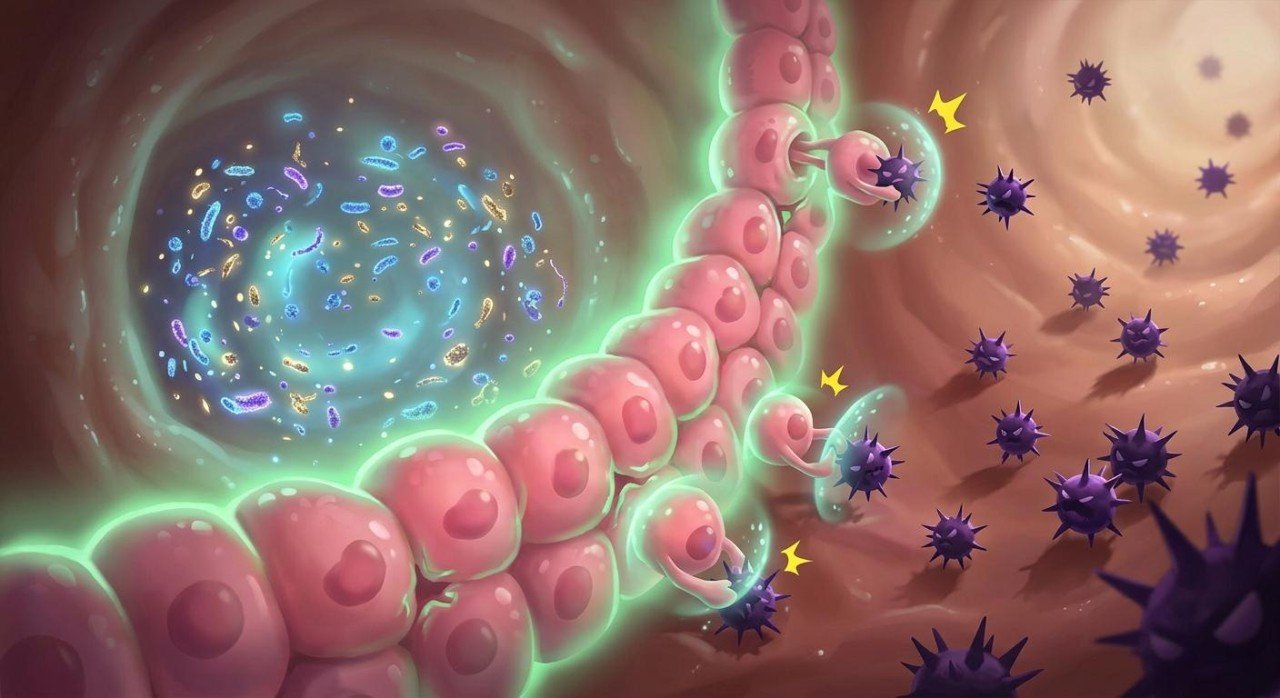
Every autumn, the same ritual plays out: vitamin C supplements fly off the shelves, people swear by echinacea, and orange juice consumption spikes. But the most powerful thing you can do for your immune system isn't sitting in a pharmacy. It's already inside you — in your gut.
Scientists estimate that roughly 70% of your immune system resides in your gastrointestinal tract, concentrated in a network of tissue called gut-associated lymphoid tissue (GALT). This isn't a fringe claim. A peer-reviewed paper in Clinical and Experimental Immunology describes GALT as representing "almost 70% of the entire immune system," noting that about 80% of the body's antibody-producing plasma cells reside there. The exact number is hard to pin down — it's more of a well-supported estimate than a precise census — but the message is clear: your gut is the headquarters of your immune defense.
This means that what you eat, how you live, and the state of your gut bacteria have a direct influence on how well your body fights infection, manages inflammation, and avoids chronic disease. And it means that the typical approach to "boosting immunity" — megadosing a single vitamin when you feel a cold coming on — misses the point entirely.
What GALT Actually Does
Your digestive tract is the largest surface area in your body exposed to the outside world. Everything you swallow — food, drink, bacteria, potential pathogens — passes through it. The immune system stations the majority of its forces here because this is where the threats are most likely to enter.
GALT is a complex network of immune structures embedded throughout your intestinal wall. It includes Peyer's patches (clusters of immune cells in the small intestine that sample passing material for threats), mesenteric lymph nodes, isolated lymphoid follicles, and millions of immune cells scattered through the tissue lining your gut. Together, these structures host B cells that produce secretory IgA antibodies, T cells that coordinate immune responses, dendritic cells that present antigens, and innate lymphoid cells that provide rapid first-line defense.
GALT doesn't just wait for pathogens to arrive and then react. It actively monitors everything passing through your gut, distinguishes between harmless substances — food proteins, friendly bacteria — and genuine threats, and calibrates the appropriate immune response. Get this calibration right, and your body efficiently neutralizes pathogens while tolerating beneficial microbes and food. Get it wrong, and you end up with chronic inflammation, food sensitivities, or autoimmune problems.
Your Gut Bacteria Are Training Your Immune Cells
The trillions of bacteria living in your gut aren't just neighbors of the immune system — they're active teachers. From infancy, gut microbes help train immune cells to recognize what's dangerous and what isn't. This education process shapes your immune competence for life.
A 2025 review in Frontiers in Immunology describes this as a bidirectional relationship: specific bacterial species direct immune cell development along distinct pathways. For example, segmented filamentous bacteria promote the development of Th17 cells (which defend against fungal and bacterial infections at mucosal surfaces), while Bacteroides fragilis drives the production of regulatory T cells that keep inflammation in check.
Even more remarkably, a 2026 study published in Nature Microbiology by researchers at Helmholtz Munich found that non-pathogenic gut bacteria possess tiny syringe-like structures called type III secretion systems that can inject proteins directly into human cells. These bacterial proteins specifically target immune regulation pathways, including NF-kB signaling, which controls inflammation. As lead researcher Pascal Falter-Braun put it: "These non-pathogenic bacteria are not just passive residents but can actively manipulate human cells by injecting their proteins into our cells."
The practical implication is straightforward: a diverse, well-fed gut microbiome produces well-trained immune cells. A depleted, imbalanced one produces an immune system that overreacts to harmless triggers, underreacts to genuine threats, or both.
The Gut Barrier: Your First Line of Defense
Between your gut contents and your bloodstream sits a barrier just one cell thick. This intestinal lining is held together by structures called tight junctions — protein complexes that act as gates, selectively allowing nutrients through while keeping bacteria, toxins, and undigested food particles out.
When this barrier is working properly, it's remarkably effective. But when it's compromised — through poor diet, chronic stress, excessive alcohol, or certain medications — those tight junctions loosen. The barrier becomes more permeable, allowing bacterial fragments like lipopolysaccharides (LPS) to leak into the bloodstream and trigger an immune response.
You may have heard this called "leaky gut." It's worth being precise here: increased intestinal permeability is a real, measurable physiological phenomenon that researchers take seriously. It's clearly present in conditions like celiac disease and inflammatory bowel disease. What science does not support is the alternative-health version of "leaky gut" as a catch-all diagnosis for everything from fatigue to joint pain, nor the idea that a single supplement or detox can fix it.
What the research does show is that the integrity of this barrier is profoundly influenced by diet and lifestyle — and that maintaining it is central to immune health. When the barrier is intact, the immune system stays appropriately calibrated. When it's compromised, chronic low-grade inflammation follows — the kind that doesn't feel like an infection, but over time contributes to metabolic disease, autoimmunity, and increased susceptibility to infections.
What Strengthens Gut Immunity
The research points to several dietary factors that actively support gut barrier integrity, microbiome diversity, and immune function. None of them are exotic or expensive — they're the foods humans evolved eating.
Fiber and Short-Chain Fatty Acids
Dietary fiber is the single most important fuel source for beneficial gut bacteria. When these bacteria ferment fiber, they produce short-chain fatty acids (SCFAs) — particularly butyrate, propionate, and acetate — which are central to gut immune regulation.
Butyrate is the primary energy source for the cells lining your colon. It strengthens tight junction proteins, maintains the mucus layer, promotes the development of regulatory T cells that keep inflammation in check, and suppresses pro-inflammatory signaling. Without enough dietary fiber, butyrate production drops, the barrier weakens, and the immune system loses a critical regulatory signal.
Different types of fiber feed different bacterial species, so variety matters as much as quantity. Legumes, whole grains, vegetables, fruits, nuts, and seeds each provide distinct fibers that support different parts of the microbial ecosystem. Aim for a range rather than relying on a single source.
Polyphenols
Polyphenols — the compounds that give berries, tea, coffee, dark chocolate, red wine, and colorful vegetables their deep pigments — act as a kind of selective fertilizer for your gut microbiome. Research published in the International Journal of Molecular Sciences shows that polyphenols suppress pathogenic bacteria while promoting beneficial species, enhance SCFA production, and strengthen gut barrier function.
The synergy between polyphenols and fiber appears to be particularly powerful. A 2025 review in Frontiers in Nutrition found that diets rich in both fiber and polyphenols produced greater improvements in microbial diversity and immune markers than either alone. This is one reason whole fruits and vegetables — which naturally contain both fiber and polyphenols — are more beneficial than isolated supplements.
Fermented Foods
A landmark 2021 Stanford study published in Cell tracked 36 healthy adults over 10 weeks and found that a diet high in fermented foods — yogurt, kefir, kimchi, sauerkraut, kombucha — steadily increased gut microbiome diversity and decreased levels of 19 inflammatory proteins, including interleukin-6, which is linked to chronic inflammatory conditions like rheumatoid arthritis and type 2 diabetes.
Interestingly, a high-fiber diet in the same study did not produce the same reduction in inflammatory markers over the 10-week period, though it did increase the microbiome's capacity to break down complex carbohydrates. The researchers concluded that fermented foods and fiber likely work best in combination — the fermented foods introduce microbial diversity, while fiber sustains it.
Zinc, Vitamin A, and Vitamin D
Three micronutrients deserve special mention for their direct roles in gut barrier integrity and mucosal immunity.
Zinc is essential for maintaining the physical barrier of the intestinal mucosa. Research in Biomolecules shows it participates in the renewal of intestinal epithelial cells, maintenance of tight junctions, and production of antibacterial proteins. Zinc deficiency impairs IgA production — the primary antibody protecting your gut lining — and weakens immune cell function. Good food sources include shellfish, red meat, pumpkin seeds, chickpeas, and cashews.
Vitamin A and vitamin D work together to regulate mucosal immune responses. A review in Critical Reviews in Biochemistry and Molecular Biology found that both vitamins induce tight junction proteins, support the development of innate lymphoid cells that produce protective IL-22, and promote regulatory T cells that prevent excessive inflammation. Deficiency in either vitamin leads to less diverse gut microbiomes, reduced barrier integrity, and increased vulnerability to gastrointestinal infections.
Vitamin A is abundant in liver, eggs, sweet potatoes, carrots, and dark leafy greens. Vitamin D comes primarily from sunlight exposure, with smaller amounts in oily fish, eggs, and fortified foods — which is precisely why gut immunity tends to dip in winter, when both sunlight and vitamin D levels drop.
Take the Guesswork Out of Eating Well
Eat Well Planner helps you organize your favorite recipes, plan balanced meals, and automatically generate shopping lists — all in one place. Whether you're tracking macros, managing dietary restrictions, or just trying to stop asking "what's for dinner?", we've got you covered.
Our AI-powered tools can adapt any recipe to your dietary needs, help you discover new meals you'll love, and even log your nutrition effortlessly. It's meal planning made simple.
Start Organizing Your Meals — FreeWhat Weakens Gut Immunity
Understanding what supports gut immunity is only half the picture. Several common factors actively undermine it.
Ultra-Processed Foods
Ultra-processed foods deliver a double blow to gut immunity. They're typically very low in fiber, starving the bacteria that produce protective SCFAs, while containing additives that directly damage the gut barrier.
A 2025 review in Nutrients found that common emulsifiers like carboxymethylcellulose and polysorbate-80 reduce beneficial bacteria such as Akkermansia muciniphila and Faecalibacterium prausnitzii, thin the protective mucus layer, and increase intestinal permeability. Artificial sweeteners including sucralose and aspartame were also found to damage intestinal barrier function. The result is reduced microbial diversity, elevated inflammation, and a weakened first line of immune defense.
As The Conversation reports, observational studies in humans link high ultra-processed food consumption to systemic inflammation, decreased microbial diversity, increased gut permeability, and reduced SCFA production. The connection is correlational rather than proven causal, but the pattern is consistent and the biological mechanisms are well understood.
Excessive Alcohol
Alcohol suppresses the tight junction proteins that hold the gut barrier together. A comprehensive review in the International Journal of Molecular Sciences found that alcohol and its metabolites directly damage intestinal barrier integrity, deplete anti-inflammatory bacteria like Bacteroidetes and Firmicutes, and promote the overgrowth of pro-inflammatory gram-negative bacteria. When the barrier breaks down, bacterial endotoxins (lipopolysaccharides) enter the bloodstream and trigger systemic inflammation — a pathway directly implicated in alcoholic liver disease.
Moderate, occasional drinking is unlikely to cause lasting damage. But regular heavy consumption creates a cycle: barrier damage lets toxins through, the immune system responds with inflammation, and that inflammation further damages the barrier.
Chronic Stress
Your gut and brain are connected through the vagus nerve and a shared web of hormones and neurotransmitters — the gut-brain axis. Chronic stress activates this axis in ways that directly harm gut immunity.
Research published in Gut Microbes shows that stress hormones — cortisol, norepinephrine, and epinephrine — are released directly into the gut, where they decrease tight junction protein expression and increase intestinal permeability. These hormones also alter the gut microbiome: cortisol reduces microbial diversity and promotes the overgrowth of pathogenic species. One study documented bacterial growth increases of up to 10,000-fold within hours under stress hormone exposure.
The immune consequences are significant. Chronic stress drives expansion of pro-inflammatory Th17 cells while suppressing regulatory T cells — the opposite of what a healthy gut immune system needs. This isn't to say stress causes illness directly, but it creates conditions that make the gut barrier weaker and the immune response less balanced.
Low-Fiber Diets
This deserves repeating because it's the most common and most fixable problem. When fiber intake is low, SCFA-producing bacteria decline, butyrate levels drop, and the gut barrier loses its primary source of maintenance. The research is clear: without adequate fiber, the immune regulatory system in the gut cannot function properly.
Most American adults eat only about 15 grams of fiber per day — roughly half the recommended 25 to 30 grams. That gap represents a daily deficit in the raw material your gut bacteria need to produce the compounds that keep your immune system calibrated.
Why This Matters More in Winter
The gut-immunity connection has particular relevance as the days get shorter. Several factors converge in autumn and winter to weaken gut immune defenses precisely when respiratory viruses are circulating most actively.
- Vitamin D drops. With less sunlight exposure, vitamin D levels decline — and with them, the support for tight junction proteins, IgA production, and regulatory T cell development in the gut.
- Dietary diversity narrows. People tend to eat fewer fresh fruits and vegetables in winter, reducing fiber variety and polyphenol intake. Comfort food often means more processed, less plant-diverse meals.
- Stress increases. The winter months bring financial pressure (holidays, heating bills), reduced daylight, and for many people, seasonal mood changes — all of which activate the stress pathways that weaken gut barrier function.
- Alcohol consumption rises. Social gatherings and holiday celebrations often mean more frequent and heavier drinking.
This doesn't mean you're doomed to catch every cold that goes around. It means that paying attention to the factors that support gut immunity becomes more important, not less, during the months when most people let their dietary habits slide.
A Gut Immunity Meal Plan
Putting all of this research into practice doesn't require complicated recipes or unusual ingredients. Here's a sample day designed to deliver the nutrients your gut immune system needs — fiber from diverse plants, polyphenols, fermented foods, zinc, vitamin A, and vitamin D.
Breakfast
Overnight oats made with rolled oats, chia seeds, natural kefir, mixed berries (blueberries, raspberries), and a handful of walnuts. Top with a drizzle of raw honey.
Why it works: Oats and chia provide soluble fiber for SCFA production. Kefir delivers live cultures and microbial diversity. Berries supply polyphenols (anthocyanins). Walnuts add omega-3 fatty acids and more fiber.
Lunch
A big bowl of lentil and vegetable soup — red lentils, carrots, sweet potato, spinach, garlic, turmeric, and cumin — served with a slice of sourdough bread and a side of sauerkraut.
Why it works: Lentils are one of the best sources of prebiotic fiber and provide zinc. Sweet potato and carrots deliver beta-carotene (which your body converts to vitamin A). Garlic has prebiotic fructans. Turmeric contains polyphenols with anti-inflammatory properties. Sauerkraut adds live cultures.
Snack
A small pot of live yogurt with pumpkin seeds and a square or two of dark chocolate (70%+ cocoa).
Why it works: Live yogurt provides probiotics and vitamin D (if fortified). Pumpkin seeds are one of the richest plant sources of zinc. Dark chocolate is surprisingly high in polyphenols.
Dinner
Baked salmon with roasted broccoli, red peppers, and red onion, on a bed of quinoa. Dress with a simple lemon, olive oil, and garlic vinaigrette. Serve with a small side of kimchi.
Why it works: Salmon provides vitamin D and omega-3s, which support anti-inflammatory immune pathways. Broccoli delivers sulforaphane and fiber. Red peppers are rich in vitamin C and polyphenols. Quinoa adds plant-based protein, zinc, and fiber. Kimchi rounds out the day with another serving of fermented food.
Building a Full Week
One good day is a start — but gut immunity is built through consistency. The goal across a week is to rotate through as many different plant foods as possible (aiming for 30+ different types), include fermented foods daily, eat zinc-rich foods several times a week, and keep fiber intake above 30 grams per day.
That's a lot to keep track of manually, which is where planning tools become genuinely useful. Eat Well Planner can generate a full week of immunity-supporting meals from your saved recipes, automatically calculate the nutrition breakdown for each day, and build a shopping list so you actually have the ingredients on hand. You can set up a profile with your dietary preferences and health goals, and the AI will build meal plans that naturally incorporate the diversity, fiber, and micronutrients your gut needs — without you having to think about each individual nutrient.
Beyond the Meal Plan: A Bigger Picture
Supporting gut immunity isn't just about what you eat — though that's the most controllable lever. The research also consistently points to:
- Sleep. Poor sleep disrupts circadian rhythms in the gut microbiome and increases intestinal permeability. Aim for 7-9 hours consistently.
- Physical activity. Regular moderate exercise is associated with increased microbial diversity and higher SCFA production. It doesn't need to be intense — even daily walking helps.
- Stress management. Given the direct effects of stress hormones on gut barrier function and microbial balance, finding ways to manage chronic stress — whether through exercise, meditation, social connection, or professional support — is a genuine immune strategy, not just a wellness platitude.
- Time outdoors. Beyond sunlight for vitamin D, exposure to environmental microbes through soil, nature, and outdoor air contributes to microbial diversity.
The Real Immunity Strategy
The next time cold and flu season rolls around, or the next time you feel run down and reach for a supplement, consider the bigger picture. Your immune system isn't primarily sitting in a vitamin tablet. Roughly 70% of it is in your gut — shaped by the bacteria living there, dependent on the barrier that separates your gut contents from your bloodstream, and fueled by what you eat every day.
You can't control every virus you encounter. But you can control the terrain your immune system operates on. Feed your gut bacteria a diverse range of plant fibers. Include fermented foods regularly. Get enough zinc, vitamin A, and vitamin D from real food. Cut back on the ultra-processed products that damage the gut barrier. Manage stress. Sleep well.
These aren't dramatic interventions. They're small, daily choices that compound over time — building a gut environment where your immune system can actually do its job. And if the planning part feels overwhelming, Eat Well Planner can handle the logistics — meal plans, shopping lists, nutrition tracking — so you can focus on the eating.